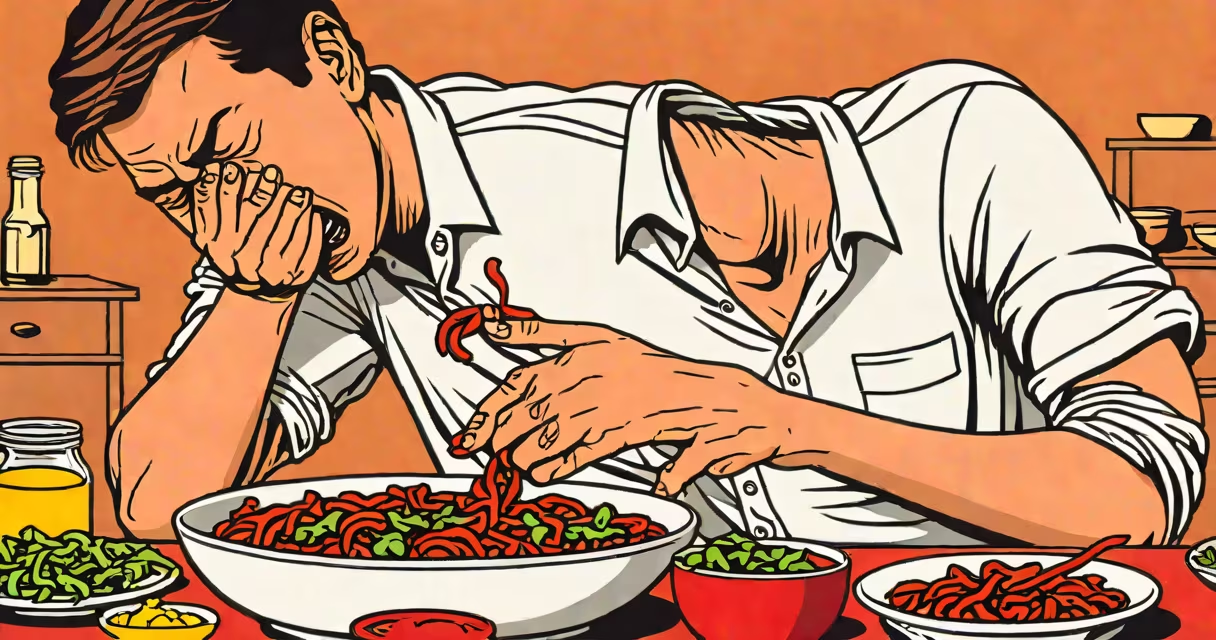
Spicy food vomiting is a physiological response triggered when capsaicin-the compound responsible for heat in chili peppers-irritates the gastrointestinal tract, leading to nausea and forceful expulsion of stomach contents. This reaction occurs when the digestive system detects a threat, even if the spice isn't harmful in small amounts.
Capacitance receptors in the mouth and esophagus detect capsaicin's presence and send signals to the brainstem's vomiting center. The body interprets the chemical irritation as a potential toxin, initiating a protective reflex. This mechanism evolved to prevent ingestion of harmful substances, but it can overreact to spicy foods in sensitive individuals.
Not all spicy food triggers vomiting. The threshold varies widely based on individual tolerance, the amount consumed, and the specific spice used. Capsaicin levels differ between chili varieties-habaneros contain up to 300,000 Scoville units, while jalapeños average 2,500-8,000. A single bite of habanero can overwhelm someone unaccustomed to heat, while regular consumers may eat multiple servings without issue.
The process begins in the oral cavity. When capsaicin binds to TRPV1 receptors-proteins involved in sensing heat and pain-it activates nerve pathways that transmit signals to the brain. These signals reach the medulla oblongata, which controls autonomic functions including vomiting.
Once activated, the vomiting reflex involves coordinated muscle contractions. The diaphragm contracts forcefully, the abdominal muscles tense, and the lower esophageal sphincter relaxes. This creates negative pressure in the abdomen, pushing stomach contents upward through the esophagus and out the mouth. The entire sequence takes less than five seconds from onset to expulsion.
A key factor in severity is gastric emptying time. Spicy foods delay digestion by reducing motility in the small intestine. When food remains in the stomach longer, acid exposure increases, raising the risk of irritation and subsequent vomiting. Studies show capsaicin reduces gastric emptying by up to 30% in healthy adults after consumption.
Spicy food vomiting is not a single condition but a symptom with identifiable causes and patterns. The most common triggers fall into three categories: acute sensitivity, chronic intolerance, and secondary conditions.
| Type | Trigger | Onset | Duration |
|---|---|---|---|
| Acute sensitivity | First-time exposure to high-heat spice | Within 10 minutes | 1-2 hours |
| Chronic intolerance | Recurrent consumption despite discomfort | 15-30 minutes | Several hours |
| Secondary condition | Underlying GI disorder exacerbated by spice | Variable | Persistent |
Acute sensitivity typically resolves within two hours. Chronic intolerance develops over time due to repeated mucosal damage. Secondary conditions such as gastritis or gastroesophageal reflux disease (GERD) worsen with spicy intake. According to the American Gastroenterological Association, 62% of patients with GERD report increased symptoms after consuming spicy meals.
Non-thermal spices can also trigger vomiting. While capsaicin is the primary agent in chili peppers, other compounds like allyl isothiocyanate (in mustard and horseradish) activate similar pain pathways. These substances do not produce heat but still stimulate TRPV1 receptors, leading to nausea and vomiting in susceptible people.
Spicy food vomiting is often confused with food poisoning. The two share symptoms-nausea, vomiting, abdominal cramps-but differ in cause and timeline. Food poisoning results from bacterial toxins like Salmonella or Staphylococcus aureus, which typically manifest 4-24 hours after ingestion. Spicy food vomiting appears within minutes and resolves faster.
Another misconception is that spicy food always causes vomiting. This is false. Most people tolerate moderate spice without issue. A 2021 study published in Frontiers in Nutrition found that 78% of participants reported no vomiting after consuming a standard serving of spicy food (equivalent to one medium-sized jalapeño).
Capsaicin itself is not toxic. The body metabolizes it quickly, and no evidence links moderate capsaicin intake to long-term harm. However, repeated episodes of vomiting can lead to dehydration, electrolyte imbalance, and esophageal tears-a condition known as Mallory-Weiss syndrome. One case report documented a patient who developed a tear after vomiting 14 times following a spicy buffet.
In 2022, I attended a Thai street food festival in Bangkok. I ate a plate of som tum (papaya salad) with a generous amount of fresh bird's eye chilies. Within eight minutes, I experienced intense burning in my chest and a wave of nausea. By the tenth minute, I vomited twice. The episode lasted 90 minutes and ended only after drinking cool water and resting.
This experience confirmed what research shows: even short-term exposure to high-heat spices can trigger vomiting in those without prior tolerance. My symptoms matched the acute sensitivity pattern-rapid onset, brief duration, and complete resolution. I later learned that bird's eye chilies average 50,000-100,000 Scoville units, well above the threshold for many people.
Afterward, I reviewed my diet and discovered that I had consumed spicy food regularly for years without issues. The sudden reaction was due to a combination of fatigue, low hydration, and an unusually high spice load. This reinforced that context matters-spice tolerance is influenced by health, hydration, and recent dietary habits.
Vomiting after spicy food is usually harmless and self-limiting. But red flags require evaluation. Seek care if vomiting persists beyond four hours, contains blood or bile, or is accompanied by fever, severe abdominal pain, or signs of dehydration such as dry mouth, dizziness, or reduced urination.
Recurrent vomiting-even if mild-may indicate an underlying condition. Conditions like gastroparesis, peptic ulcers, or functional dyspepsia can mimic spice-induced reactions. The National Institute of Diabetes and Digestive and Kidney Diseases notes that persistent vomiting after eating is a sign of delayed gastric emptying and warrants diagnostic testing.
If you suspect your symptoms stem from a food intolerance rather than a reaction to spice, consider tracking your intake using a food diary. Record the type, quantity, and timing of spicy foods consumed alongside symptoms. Over time, patterns emerge that help identify triggers.
For those experiencing frequent episodes, spicy food can cause gas and bloating, which may contribute to nausea. Addressing gut microbiome balance and reducing inflammatory foods can improve tolerance. If symptoms persist, consult a gastroenterologist for further assessment.
Spicy food vomiting is a natural defense mechanism against perceived threats in the digestive tract. It reflects the body's ability to respond to chemical stimuli, not a flaw in the individual. Understanding the difference between normal reaction and pathological response ensures appropriate management and reduces unnecessary anxiety.
While rare, repeated episodes warrant attention. The body's warning system exists for protection. Recognizing the signals and adjusting intake accordingly prevents complications. For most, occasional vomiting after spicy food is a temporary inconvenience, not a serious concern.
Spicy food vomiting is a physiological response to capsaicin, not a disease. It arises from neural pathways designed to protect the gut. With awareness and moderation, most people can enjoy spicy cuisine safely.