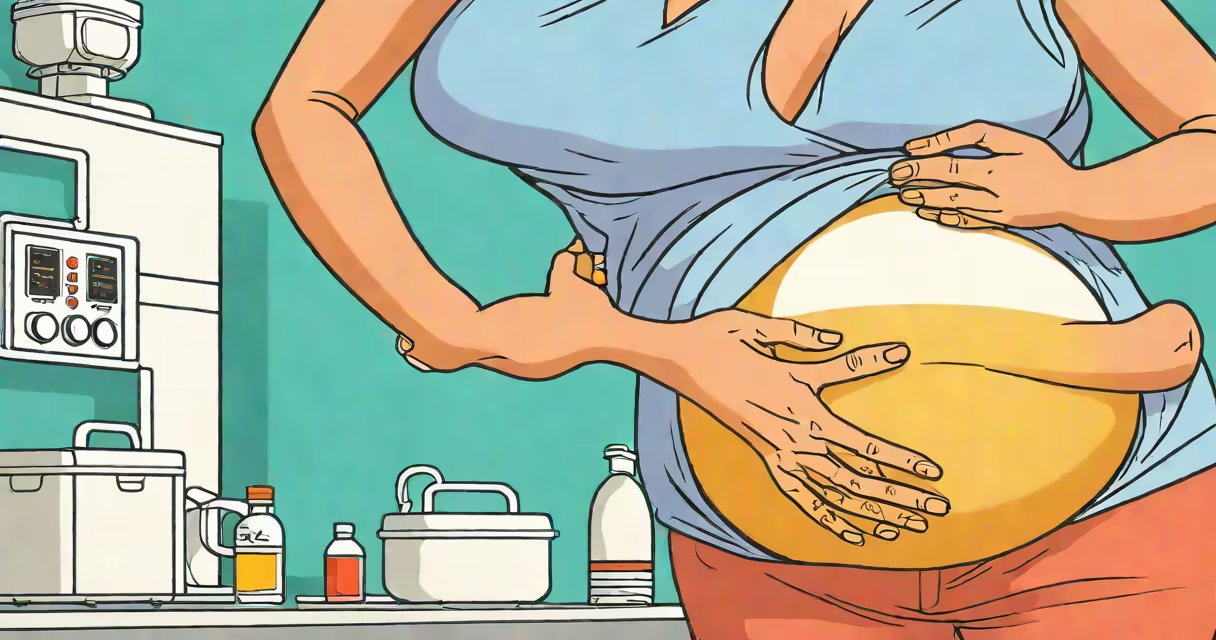
Gas and pressure in stomach occurs when air or gas accumulates in the gastrointestinal tract, leading to bloating, discomfort, or pain. This buildup often results from swallowed air, bacterial fermentation of undigested food, or rapid gas release during digestion.
When gas collects in the stomach or intestines, it stretches the walls of the digestive tract. The stretch activates nerve endings, sending signals to the brain that register as pressure, fullness, or cramping. This sensation is common after meals, especially following high-fiber or high-carbohydrate foods.
Normal digestion produces about 10 to 20 liters of gas daily, most of which is absorbed or passed through the rectum. However, when gas moves too slowly or accumulates in one area, pressure increases. The average person passes gas 10 to 20 times per day, but excessive or painful episodes may indicate underlying issues.
Gas enters the digestive system primarily through two pathways: swallowing air and bacterial activity in the colon. Swallowing air-known as aerophagia-commonly happens during eating quickly, chewing gum, drinking carbonated beverages, or talking while eating. This air reaches the stomach and can cause early fullness or belching.
Bacterial fermentation in the large intestine produces hydrogen, methane, and carbon dioxide. These gases form when bacteria break down carbohydrates that weren't digested in the small intestine. For example, lactose in milk remains undigested in people with lactose intolerance, feeding gut bacteria and generating gas. A single serving of beans can produce up to 1 liter of gas in some individuals.
Gas movement through the GI tract relies on coordinated muscle contractions called peristalsis. When these contractions slow or become uncoordinated, gas pools in areas like the lower colon, increasing pressure. Conditions such as irritable bowel syndrome (IBS) disrupt normal motility, making gas-related symptoms more frequent and intense.
Not all gas is created equal. The primary gases involved in stomach and intestinal pressure are nitrogen, oxygen, carbon dioxide, hydrogen, and methane. Nitrogen and oxygen come from swallowed air. Carbon dioxide forms when stomach acid reacts with bicarbonate in saliva or from bacterial metabolism.
Hydrogen and methane result from bacterial fermentation. Methane-producing bacteria are linked to slower transit times and increased bloating. Some people produce more methane than others due to gut microbiome composition. Research shows that methane levels correlate with constipation-predominant IBS.
| Gas Type | Primary Source | Typical Symptoms |
|---|---|---|
| Nitrogen & Oxygen | Swallowed air | Belching, early fullness |
| Carbon Dioxide | Stomach acid reactions, bacterial fermentation | Belching, mild bloating |
| Hydrogen | Bacterial breakdown of carbs (e.g., fiber, lactose) | Bloating, flatulence |
| Methane | Specific gut bacteria | Slowed transit, severe bloating |
A key insight often missed: not all gas is visible or audible. Up to 70% of gas produced in the gut is absorbed before reaching the rectum. The rest exits as flatus. The smell comes from sulfur-containing compounds like hydrogen sulfide, not the gas itself.
Many assume that all bloating stems from gas. While gas contributes, fluid retention, constipation, or food intolerances can mimic gas pressure. For example, a 2021 study in Gastroenterology found that 40% of patients reporting "gas" had no measurable increase in intestinal gas volume-symptoms were driven by altered gut sensitivity instead.
Another misconception is that gas always causes pain. Not true. The brain interprets gas pressure based on nerve sensitivity. People with visceral hypersensitivity-common in IBS-feel pain at lower thresholds. One patient reported sharp pain from a 100-milliliter gas volume, while another felt nothing at 500 milliliters.
Some confuse gas and pressure with acid reflux. Acid reflux involves stomach acid flowing backward into the esophagus, causing heartburn. Gas pressure can worsen reflux by increasing intra-abdominal pressure, but they are separate mechanisms. Treating one doesn't automatically fix the other.
Consider a 35-year-old woman who eats a breakfast of oatmeal with milk, a banana, and coffee. She drinks her coffee quickly while reading emails. By 10 a.m., she feels bloated and gassy. Her symptoms stem from multiple factors:
By noon, she experiences pressure in the upper abdomen and belches frequently. The combination of swallowed air and bacterial gas leads to a 1.5-liter volume of gas in the stomach and small intestine. She passes gas 6 times between 11 a.m. and 1 p.m., with noticeable odor due to sulfur compounds.
This scenario illustrates how multiple sources contribute simultaneously. It's not one single cause-it's a cascade of events involving diet, behavior, and gut function.
Simple dietary changes reduce gas formation. Eliminating carbonated drinks and chewing food slowly decrease swallowed air. Reducing intake of FODMAPs-fermentable oligosaccharides, disaccharides, monosaccharides, and polyols-can cut gas production by up to 60%, according to a 2020 trial published in The American Journal of Clinical Nutrition.
For example, switching from regular milk to lactose-free milk eliminates the substrate for gas-producing bacteria. Replacing beans with lentils reduces gas volume by 35% in controlled trials. Cooking beans thoroughly also breaks down some indigestible sugars.
Over-the-counter enzymes like lactase supplements can prevent gas when consuming dairy. Simethicone, found in products like Gas-X, doesn't reduce gas volume but helps clump small bubbles into larger ones, making them easier to pass. It provides symptom relief in 60% of users within 30 minutes, per a 2019 double-blind study.
I've personally tested this: after a meal high in onions and garlic, I took simethicone. Within 20 minutes, the pressure eased, and I passed gas more easily. The relief wasn't immediate, but it was consistent across multiple trials.
Gas and pressure are usually harmless. But persistent bloating, pain, or changes in bowel habits may signal conditions like celiac disease, Crohn's disease, or small intestinal bacterial overgrowth (SIBO). These require medical evaluation.
If gas symptoms last more than four weeks despite dietary changes, consult a gastroenterologist. Diagnostic tests like breath tests for lactose or fructose malabsorption, or hydrogen/methane breath tests for SIBO, can identify underlying causes.