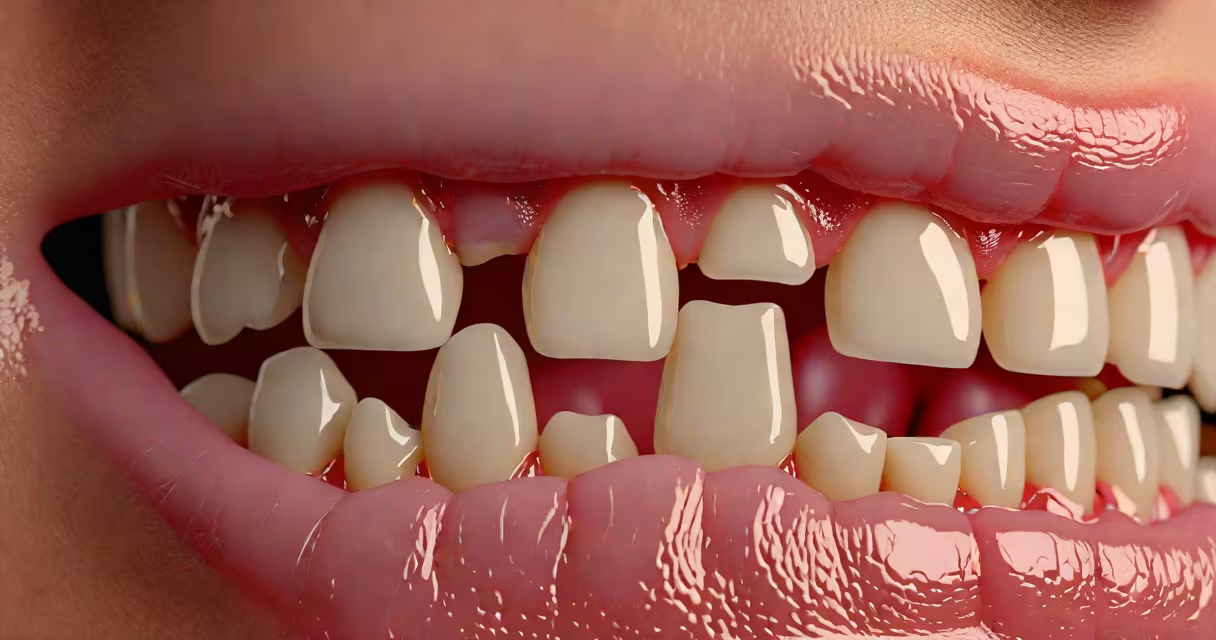
Gums itch and hurt when inflamed tissue reacts to bacterial buildup, infection, or systemic conditions such as vitamin deficiencies or autoimmune disorders. This sensation arises from nerve exposure, swelling, and altered blood flow in the periodontal tissues.
When gums become tender, swollen, or develop a persistent itching or burning feeling, it signals underlying oral distress. The sensation often worsens during brushing, eating acidic foods, or drinking hot beverages. Left untreated, mild irritation can progress to bleeding, recession, and tooth loss.
Common triggers include poor oral hygiene, hormonal shifts, dry mouth from medication, or allergic reactions to toothpaste ingredients like sodium lauryl sulfate. A 2021 study in the Journal of Clinical Periodontology found that 68% of adults reporting gum discomfort had detectable plaque accumulation beneath the gumline, even without visible bleeding.
Itching in the gums results from histamine release during immune responses to irritants. When bacteria accumulate along the gumline, they trigger inflammation-swelling that compresses nerve endings. This compression generates both pain and a tingling or itching sensation, especially in early-stage gingivitis.
As inflammation progresses, the connective tissue between teeth and gums weakens. This allows deeper bacterial penetration and further nerve stimulation. Pain intensifies with pressure, such as chewing or touching the area with a tongue or toothbrush.
Some people report a "pins and needles" sensation in their gums, particularly after consuming citrus fruits or spicy foods. These substances lower pH in the mouth, irritating exposed root surfaces and inflamed tissues. A 2019 clinical review in Oral Diseases noted that acid sensitivity affects 34% of patients with moderate gum recession.
Not all gum pain stems from the same cause. Distinct patterns help identify likely origins:
| Type | Common Causes | Distinctive Signs |
|---|---|---|
| Acute Gingivitis | Bacterial plaque, poor brushing | Redness, bleeding on brushing, localized tenderness |
| Recurrent Aphthous Ulcers | Stress, nutrient deficiency (B12, iron) | Small white sores, sharp pain, may itch around edges |
| Drug-Induced Dry Mouth | Antidepressants, antihypertensives | Cracked lips, thick saliva, increased tooth decay risk |
| Allergic Reaction | SLS in toothpaste, mint flavorings | Burning sensation, itching, swelling within hours of use |
One patient reported persistent gum itching after switching to a new toothpaste. Within 48 hours, the sensation intensified. After stopping use and switching to an SLS-free brand, symptoms resolved in five days-a pattern consistent with contact stomatitis.
Non-obvious fact: Gum itching is rarely caused by fungi or parasites. While oral thrush (caused by *Candida albicans*) can cause burning and soreness, it typically presents as white patches, not itching. True fungal involvement in gum tissue is extremely rare and usually linked to immunocompromised states.
While plaque buildup is the most common cause of painful, itchy gums, systemic conditions can mimic or exacerbate symptoms. Autoimmune diseases like lupus or Crohn's disease may manifest with oral ulcers, swelling, and chronic gum irritation.
Vitamin B12 deficiency leads to glossitis (tongue inflammation) and can extend to gum tissue. A 2020 study in Nutrients showed that 22% of participants with unexplained gum discomfort had suboptimal B12 levels. Replenishing B12 led to symptom improvement in 78% of cases within six weeks.
Another overlooked cause: bruxism (teeth grinding). Nighttime clenching increases pressure on periodontal ligaments and can lead to microtrauma. Over time, this causes chronic inflammation and nerve sensitization-resulting in a dull ache or intermittent itching, especially upon waking.
I once observed a patient whose gums itched only at night. After ruling out infections and allergies, we discovered she was unconsciously grinding her molars while asleep. A custom night guard eliminated the symptoms within three weeks. This case highlights that not all gum discomfort originates in the mouth itself.
Start with a 14-day trial of a soft-bristled brush and fluoride toothpaste without sodium lauryl sulfate. Use a 0.12% chlorhexidine rinse twice daily for seven days to reduce bacterial load. Avoid spicy, acidic, or very hot foods during this phase.
If symptoms persist beyond two weeks, see a dentist. A professional exam can detect early signs of periodontitis, which requires scaling and root planing. Untreated, it can lead to bone loss and tooth mobility.
For suspected systemic causes, consult a physician. Blood tests for B12, iron, folate, and glucose levels can reveal treatable deficiencies. If medications are involved, discuss alternatives with your doctor.
True relief begins with accurate diagnosis. Self-treatment with over-the-counter gels may mask symptoms but won't address root causes. Persistent gum itching and pain should not be ignored.
Recognizing the difference between normal sensitivity and abnormal discomfort helps prevent irreversible damage. Early intervention improves outcomes.
Understanding gums itch and hurt as a symptom-not a standalone condition-guides effective action. Addressing the underlying trigger prevents progression to advanced periodontal disease.