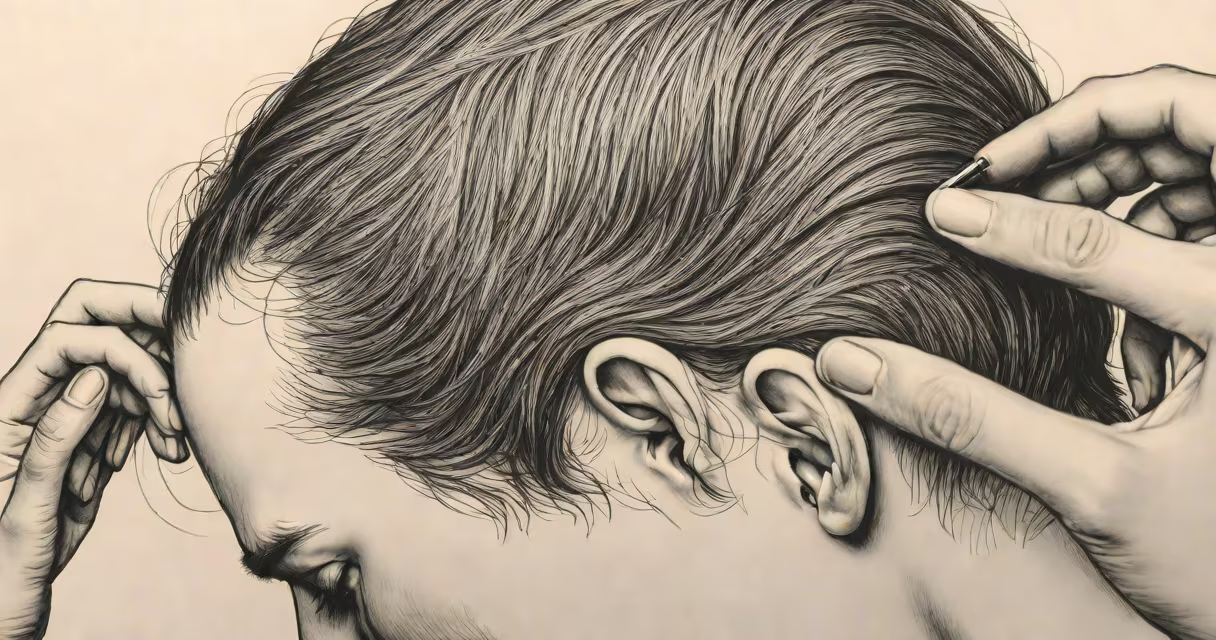
Stress-induced hair loss occurs when psychological or physical stress pushes large numbers of hair follicles into a resting phase, leading to shedding 2-3 months later. This condition, known as telogen effluvium, affects up to 50% of people experiencing acute stress events such as illness, surgery, or emotional trauma. The hair typically regrows once stress levels normalize.
Stress disrupts the hair growth cycle by altering hormone balance and increasing cortisol. Elevated cortisol reduces blood flow to the scalp and suppresses nutrient delivery to follicles. A 2021 study published in Journal of Clinical Medicine found that individuals under chronic stress had lower levels of serum zinc and iron-nutrients essential for hair integrity-and higher cortisol levels correlated with increased shedding.
Unlike genetic male-pattern baldness, which progresses slowly over years, stress-related hair loss appears suddenly and often affects the entire scalp evenly. Shedding may peak 60-90 days after a major stress event. Recovery begins within 3-6 months once stress is managed, though full regrowth can take up to 12 months.
Hair grows in cycles: anagen (growth), catagen (transition), and telogen (resting). Normally, about 85% of scalp hairs are in the anagen phase. During stress, the body redirects energy away from non-essential functions-including hair growth-into survival mechanisms. This forces follicles prematurely into telogen, causing them to shed.
The process is reversible. Once stress resolves, follicles return to anagen. However, repeated or prolonged stress can prolong the resting phase, leading to persistent thinning. A 2019 review in Frontiers in Endocrinology confirmed that chronic psychological stress alters the hypothalamic-pituitary-adrenal (HPA) axis, disrupting hormonal signals that regulate hair cycling.
Common stressors include job loss, bereavement, financial strain, or even intense academic pressure. A 2020 survey by the American Psychological Association found that 77% of adults reported physical symptoms of stress, including hair thinning, during periods of high anxiety.
Not all hair loss from stress is the same. The most common form is telogen effluvium, characterized by diffuse shedding across the scalp. It usually begins 2-3 months after a triggering event and lasts 3-6 months before resolving.
Less common is alopecia areata, an autoimmune condition sometimes triggered by severe stress. Unlike telogen effluvium, it causes patchy bald spots and requires medical treatment. While stress doesn't cause alopecia areata directly, it can act as a catalyst in genetically predisposed individuals.
| Type | Onset | Pattern | Recovery Time | Triggers |
|---|---|---|---|---|
| Telogen effluvium | 2-3 months post-event | Diffuse thinning, especially at crown | 3-12 months | Illness, surgery, childbirth, emotional trauma |
| Alopecia areata | Variable, often sudden | Patchy bald spots | Months to years; variable response | Severe stress, autoimmune conditions |
One key distinction: telogen effluvium rarely leads to permanent baldness. If hair doesn't regrow within 12 months, other causes-like thyroid disease or iron deficiency-should be ruled out. A 2022 study in Dermatology and Therapy showed that 92% of patients with telogen effluvium experienced full recovery within 18 months with stress management and nutritional support.
Addressing stress-related hair loss starts with identifying and reducing the root cause. Begin with a 30-day journal tracking mood, sleep quality, and daily stressors. Use this data to pinpoint patterns. For example, one client reported losing 150 strands per day during exam week-sharply decreasing after adopting structured study breaks.
Implement evidence-based stress reduction techniques. Mindfulness meditation for 10 minutes daily has been shown to lower cortisol by 15% in 8 weeks, according to a 2021 randomized controlled trial in Psychosomatic Medicine. Regular aerobic exercise-30 minutes, 5 days/week-also improves mood and supports healthy circulation to the scalp.
Nutrition plays a critical role. Deficiencies in iron, zinc, vitamin D, and B vitamins are linked to hair shedding. A 2023 clinical review in Nutrients found that correcting low ferritin levels (below 30 ng/mL) led to significant improvement in hair density in 78% of participants. Blood tests can identify deficiencies before they impact hair.
Topical treatments offer supplementary support. Minoxidil 5% solution applied twice daily increases anagen duration and stimulates follicle activity. A 2020 meta-analysis in JAMA Dermatology found minoxidil improved hair count by 25% over 6 months in patients with telogen effluvium. Use it only after confirming the diagnosis with a dermatologist.
Many assume hair loss from stress is irreversible or requires expensive treatments. This is false. Most cases resolve naturally with time and lifestyle changes. Over-the-counter shampoos claiming to "stop stress hair loss" lack clinical validation and may irritate the scalp.
Another mistake is waiting too long to seek help. If shedding exceeds 100 strands per day for more than 3 months, consult a dermatologist. Early intervention prevents secondary issues like scalp inflammation or worsening thinning. One patient delayed care for 18 months, resulting in prolonged recovery and reduced confidence.
Some confuse telogen effluvium with androgenetic alopecia (genetic hair loss). The latter typically shows a receding hairline and thinning at the temples. Telogen effluvium affects the entire scalp uniformly. Visual differences matter: if you notice thinning only at the front or sides, consider genetics rather than stress.
After losing her job and going through a divorce, Sarah, 34, noticed she was pulling out 200 hairs daily while brushing. She had no family history of baldness. A blood test revealed low iron (ferritin: 18 ng/mL) and elevated cortisol. Her doctor diagnosed telogen effluvium.
She began a 12-week plan: 10-minute daily meditation, 30-minute walks five times weekly, and iron supplementation (60 mg/day). She also stopped using hot tools and switched to sulfate-free shampoo. After 3 months, shedding dropped to 20 strands/day. By month 6, new hair growth was visible at the crown. Full regrowth occurred by month 10.
This outcome aligns with research showing that combining stress reduction, nutrition, and behavioral changes produces faster results than any single intervention.
If hair loss persists beyond 6 months despite lifestyle changes, see a board-certified dermatologist. They can perform a scalp biopsy or pull test to confirm telogen effluvium and rule out underlying conditions like lupus or thyroid dysfunction.
For ongoing stress, consider cognitive behavioral therapy (CBT). A 2022 study in Journal of Affective Disorders found that CBT reduced cortisol levels and improved hair regrowth in 65% of participants with chronic stress-related shedding.
Understanding how to stop hair loss from stress involves recognizing the biological link between mental state and physical appearance. With consistent effort and accurate diagnosis, recovery is both likely and measurable.