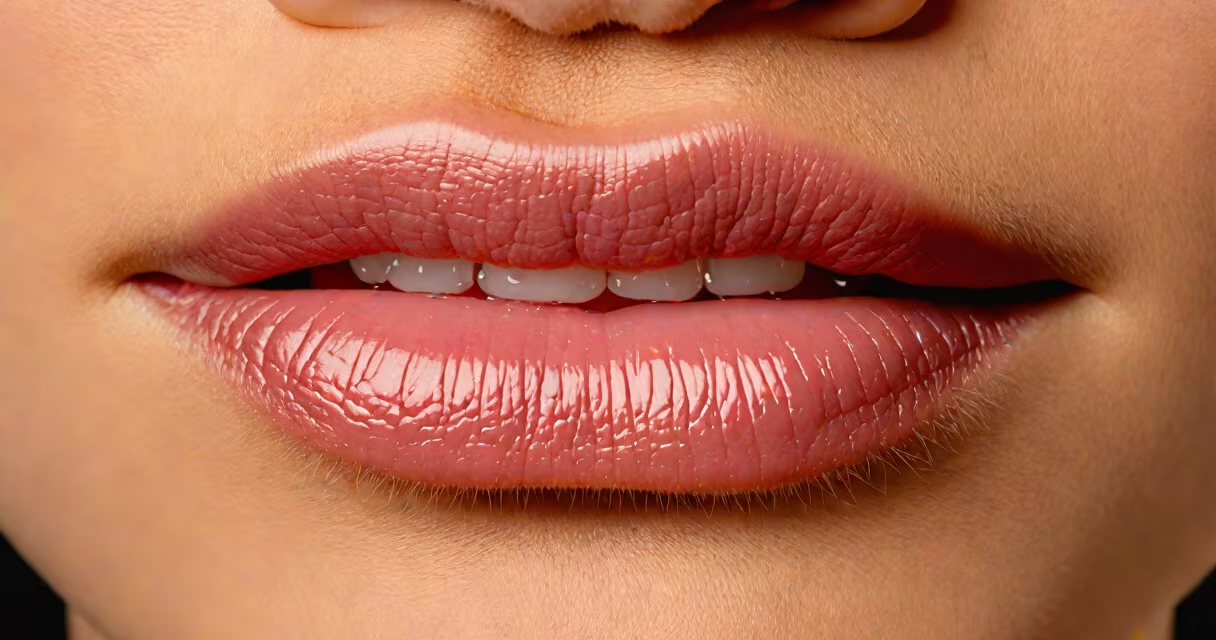
Lips may swell due to allergic reactions, infections, trauma, or underlying medical conditions. Swelling often appears rapidly and can affect one or both lips, sometimes spreading to surrounding areas like the cheeks or eyes.
Swelling occurs when fluid accumulates in the tissues beneath the skin. The lips contain a high concentration of blood vessels and nerve endings, making them sensitive to changes in pressure and inflammation. Common triggers include allergens, bites, injuries, and systemic diseases.
While mild swelling may resolve on its own, sudden or severe swelling-especially with breathing difficulty-requires immediate medical attention. This article explains the most frequent causes, distinguishes between harmless and dangerous cases, and outlines when to consult a healthcare provider.
When the body detects a threat-such as a foreign substance, bacteria, or physical injury-it releases histamine and other chemicals. These signals widen blood vessels and increase permeability, allowing fluid to leak into surrounding tissue. This process is part of the immune system's inflammatory response.
In the lips, this fluid buildup leads to visible puffiness, tenderness, and sometimes pain. Swelling typically peaks within 1-2 hours after exposure and may last 24-72 hours depending on the cause. Severe cases can involve the tongue, throat, or airway, which poses a life-threatening risk.
A 2021 study published in Clinical & Experimental Allergy found that food-related allergic reactions accounted for 35% of acute lip swelling cases seen in emergency departments, with peanuts, shellfish, and tree nuts being the most common triggers.
The most frequent reasons for lip swelling fall into five categories: allergic reactions, infections, trauma, autoimmune disorders, and medication side effects.
| Category | Examples | Typical Onset | Associated Symptoms |
|---|---|---|---|
| Allergic reaction | Peanuts, latex, dental materials, certain medications | Minutes to hours | Itching, hives, difficulty breathing |
| Infection | Herpes simplex virus (cold sores), bacterial abscesses | Hours to days | Blisters, pain, fever, pus |
| Trauma | Bites, burns, cuts, aggressive lip licking | Immediate | Pain, bruising, bleeding |
| Autoimmune | Systemic lupus erythematosus, Sjögren's syndrome | Gradual, over weeks | Chronic dry mouth, joint pain |
| Medication side effect | ACE inhibitors (e.g., lisinopril), NSAIDs | Days to months | Swelling without itching, often recurrent |
One non-obvious distinction: allergic swelling often affects multiple areas simultaneously-lips, face, hands, and feet-while localized trauma or infection usually stays confined to one site. For example, a bee sting near the lip may cause isolated swelling, whereas a peanut allergy can trigger widespread angioedema.
Sudden swelling of the lips combined with swelling in the tongue, throat, or eyelids indicates angioedema-a condition requiring urgent treatment. According to the American Academy of Allergy, Asthma & Immunology (AAAAI), up to 20% of people who experience angioedema have a history of recurrent episodes, often triggered by stress, illness, or specific foods.
Life-threatening signs include:
I once observed a patient arrive at an urgent care clinic with lips twice their normal size after eating a meal containing hidden nuts. Within 15 minutes, her tongue swelled enough to obstruct her airway. She required epinephrine and hospital monitoring. This case highlights that even mild-seeming symptoms can escalate quickly.
Lip swelling is often mistaken for cold sores or chapped lips. Cold sores-caused by herpes simplex virus-typically begin with tingling, then form small blisters that crust over. They do not cause generalized swelling unless secondary infection develops.
Chapped lips result from dryness, wind, or sun exposure. They may crack and bleed but rarely swell. True swelling involves puffiness, loss of definition, and increased volume.
Another common confusion: swelling from ACE inhibitor drugs (used to treat high blood pressure) mimics allergic reactions but lacks itching or hives. A 2019 review in Pharmacotherapy reported that 0.1% to 0.5% of patients on ACE inhibitors develop angioedema, often within the first few months of therapy.
Consult a healthcare provider if swelling lasts longer than 48 hours, worsens, or recurs. Persistent swelling may indicate an underlying condition such as lupus or a rare genetic disorder called hereditary angioedema (HAE).
For mild cases-such as minor irritation from lipstick or a small bite-home care may suffice. Apply a cold compress for 10-15 minutes every hour to reduce swelling. Avoid touching or picking at the area to prevent infection.
If you suspect an allergic reaction, especially with respiratory symptoms, seek emergency care immediately. Epinephrine auto-injectors (like EpiPens) are critical for anaphylaxis, a severe allergic reaction that can lead to shock.
For recurring or unexplained swelling, consider testing for food allergies, autoimmune markers, or drug-induced causes. A dermatologist or allergist can perform patch tests, blood work, or challenge procedures to identify triggers.
Understanding the root cause of swollen lips prevents unnecessary worry and guides timely treatment. Whether due to a nut allergy, a cold sore, or a medication side effect, accurate identification ensures faster recovery and better outcomes.