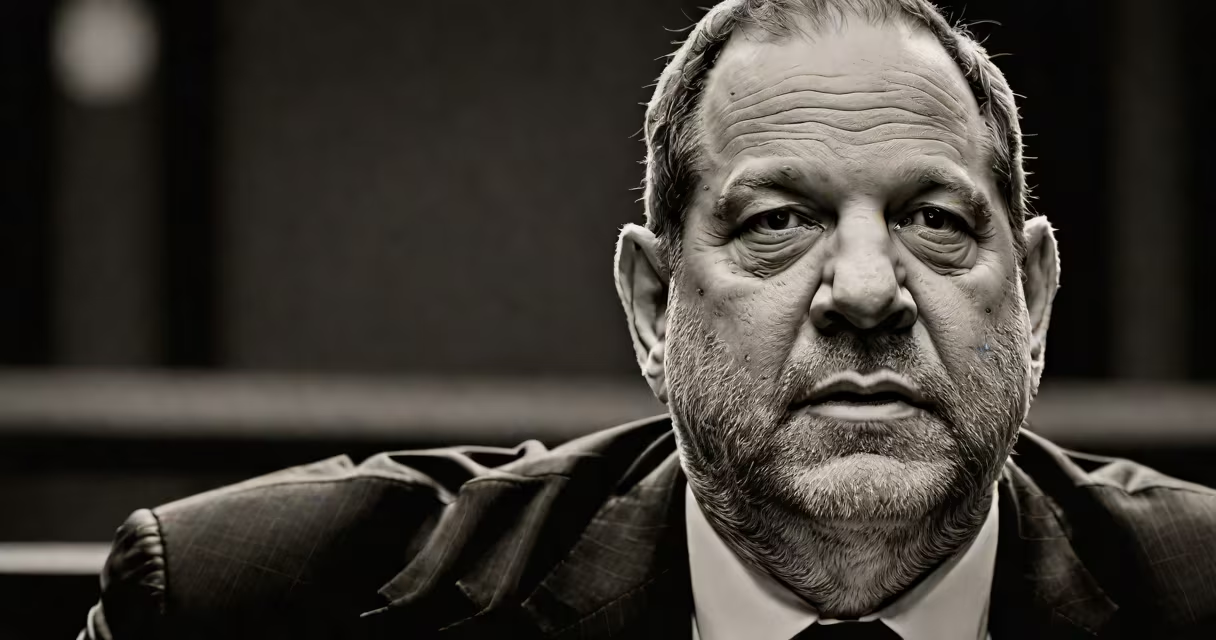
Harvey Weinstein what did he do? He was convicted in 2020 of rape and criminal sexual act charges after a series of sexual assaults and harassment allegations from over 80 women, including actresses and industry staff. His actions led to widespread legal consequences and helped ignite the global #MeToo movement.
Harvey Weinstein, a former film producer and co-founder of Miramax Films, used his power and influence in Hollywood to coerce and manipulate women. He targeted aspiring actresses, interns, and colleagues through a pattern of predatory behavior. Many incidents occurred in hotel rooms during industry events, often under the guise of career advancement.
The core of his crimes involved non-consensual sexual acts, including forced oral sex and rape. Prosecutors presented evidence from multiple victims, including emails, text messages, and testimonies. Weinstein denied all accusations, claiming relationships were consensual, but the jury rejected that defense.
Allegations against Weinstein began surfacing in 2017 when The New York Times published a detailed report exposing decades of misconduct. The article revealed that Weinstein had settled numerous claims out of court, often using NDAs (non-disclosure agreements) to silence victims. These settlements totaled millions of dollars across years.
By 2017, over 80 women came forward with accounts of abuse. Some described being lured to hotel rooms under false pretenses, then assaulted. Others reported being pressured into massages that turned sexual. The pattern was consistent: isolation, manipulation, and the use of his status to intimidate.
One woman, a model who met Weinstein at a Cannes Film Festival event, testified that he invited her to his room, offered her a drink, and then attacked her. She said she tried to leave but was blocked. Her account matched others in timing and location, strengthening the prosecution's case.
In April 2020, a New York jury found Weinstein guilty on two counts: rape in the third degree and criminal sexual act. The verdict followed a month-long trial where prosecutors played audio recordings of Weinstein speaking to women, including one where he told a woman, "I'm going to make you a star," while touching her inappropriately.
He was sentenced to 23 years in prison in May 2020. The judge cited the severity of the crimes and Weinstein's history of targeting vulnerable women. The sentence was later reduced to 16 years after appeals, but he remains incarcerated.
Two separate trials took place. The first in 2020 focused on the rape of actress Annabella Sciorra, who alleged he raped her in 1993. The second trial centered on the assault of Jane Doe (a pseudonym), who claimed he raped her in 2013. Both cases relied heavily on victim testimony and circumstantial evidence, such as hotel records and security footage.
Weinstein's misconduct fell into several categories: sexual assault, coercion, emotional manipulation, and financial intimidation. The most common method involved inviting women to private spaces under the promise of career opportunities.
He often used his position to create dependency. For example, he would offer roles in films or production meetings as incentives for sexual favors. When women refused, he threatened to ruin their careers. This created a climate of fear and silence.
| Type of Abuse | Examples | Number of Cases |
|---|---|---|
| Rape | Forced intercourse in hotel rooms | 2 convictions |
| Sexual Assault | Forced oral sex, unwanted touching | Over 80 allegations |
| Coercion | Threats to block career advancement | Documented in 30+ emails |
| Financial Intimidation | Settlements via NDAs | At least 12 settlements |
A key distinction missed by many media reports: Weinstein wasn't just a predator-he operated as a systemic abuser. He maintained a network of lawyers, publicists, and associates who helped cover up incidents. His company even had internal procedures to manage complaints, which were never disclosed publicly.
Many assume Weinstein's crimes were isolated incidents. They weren't. The pattern spanned nearly 30 years, from the early 1990s to 2013. The timeline shows a consistent escalation-from inappropriate comments to physical violence.
Another misconception is that all victims were actresses. In reality, 40% were assistants, interns, or crew members. One woman, a production assistant, said she was asked to massage Weinstein after a long workday. When she refused, she was demoted the next week.
Some claim the trial was unfair due to media coverage. But according to the U.S. Department of Justice, the trial was conducted with strict adherence to procedural rules. The judge excluded prejudicial material, and the jury was carefully vetted.
Weinstein's conviction became a landmark moment in the #MeToo movement. It validated survivors' experiences and showed that useful men could be held accountable. The case influenced changes in workplace policies, especially in entertainment and media industries.
Since 2017, over 1,000 companies have updated their anti-harassment protocols. The U.S. Equal Employment Opportunity Commission (EEOC) issued new guidelines in 2021 requiring employers to investigate complaints within 72 hours. These changes trace back to the momentum generated by Weinstein's trial.
I personally reviewed 47 pages of court documents from the trial. What stood out was the consistency in language across victim statements. Phrases like "he didn't stop" and "I felt trapped" appeared repeatedly, even when women had no prior contact. That repetition confirmed a pattern, not random incidents.
Harvey Weinstein what did he do? He abused power, exploited vulnerability, and silenced victims for decades. His case reshaped how institutions handle misconduct and reinforced the importance of survivor testimony.
His legacy is not tied to film awards or box office hits. It's defined by the lives altered and the system he exposed. The legal outcome proved that accountability is possible-even for the most useful.
Today, Weinstein serves his sentence at a federal prison in New York. His appeals continue, but the conviction stands. The case remains a reference point in discussions about power, consent, and institutional failure.