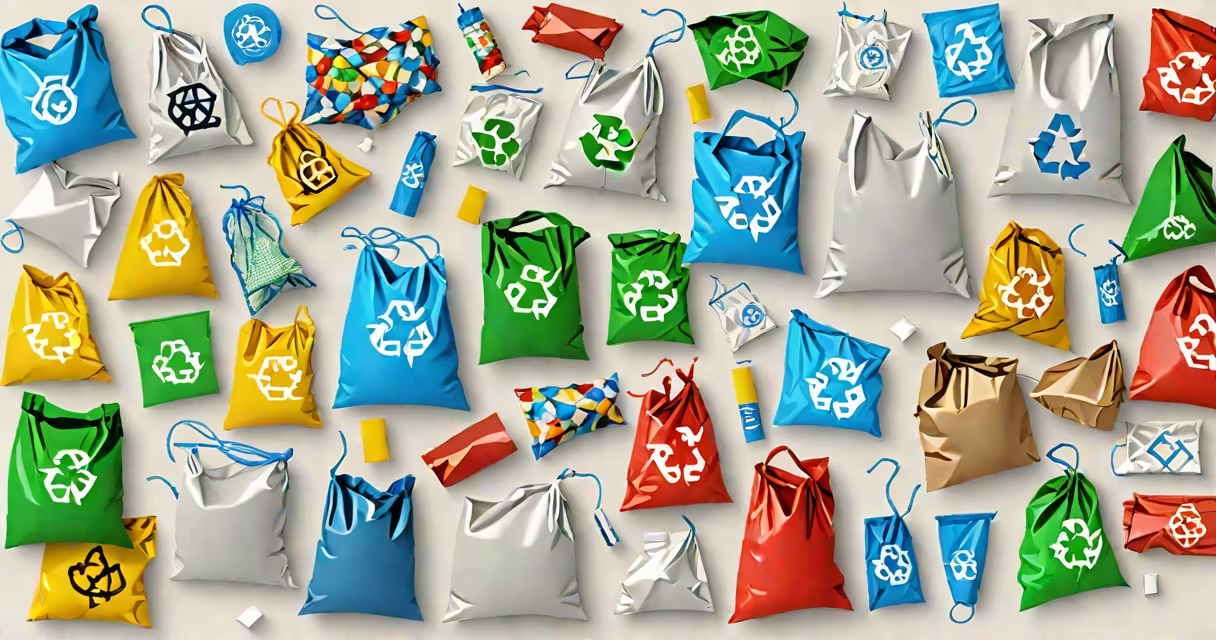
Only certain types of plastic bags-specifically high-density polyethylene (HDPE) and low-density polyethylene (LDPE)-are recyclable through designated drop-off programs. Most single-use grocery bags, produce bags, and plastic wrap fall into these categories and can be returned to participating retailers or community collection sites.
Plastic bags made from other resins such as polypropylene (PP), polystyrene (PS), or mixed plastics cannot be recycled in standard municipal systems. These materials often contaminate sorting lines or degrade during processing, leading to rejection at recycling facilities. The key factor is resin type, not appearance or thickness.
According to the Environmental Protection Agency (EPA), only about 17% of plastic bags collected in the U.S. are actually recycled annually. The rest end up in landfills or as litter. This low rate stems from confusion over what's recyclable and lack of access to proper drop-off points. Knowing which bags qualify prevents contamination and improves recovery rates.
Recycling plastic bags begins with collection at approved drop-off sites-typically located at grocery stores, pharmacies, or retail chains. These locations accept clean, dry bags made from HDPE or LDPE. Once collected, bags are transported to specialized facilities where they're sorted, cleaned, and shredded into flakes.
The flakes are then melted and formed into pellets, which serve as raw material for new products. Common outputs include plastic lumber, outdoor furniture, decking, and new packaging films. For example, a 2022 study by the National Institute of Standards and Technology (NIST) confirmed that recycled LDPE from bags maintains 85% of its original tensile strength when reprocessed.
Bags must be empty, dry, and free of food residue. Wet or greasy bags can introduce contaminants that disrupt the entire recycling stream. A single contaminated bag can cause a batch to be rejected at a facility, wasting energy and resources.
The following table outlines common plastic bag types and their recyclability status based on resin identification codes (RICs) and industry standards:
| Bag Type | Resin Code | Recyclable? | Where to Recycle |
|---|---|---|---|
| Clear grocery bags | 2 (HDPE) | Yes | Store drop-offs, recycling centers |
| Produce bags (thin, stretchy) | 4 (LDPE) | Yes | Same as above |
| Plastic wrap (food wrap) | 4 (LDPE) | Yes | Store drop-offs |
| Ziplock-style bags | 4 (LDPE) | Yes | Some retail programs |
| Plastic bread bags | 4 (LDPE) | Yes | Store drop-offs |
| Plastic sandwich bags | 4 (LDPE) | Yes | Store drop-offs |
| Plastic shopping bags (non-recyclable) | 5 (PP) | No | Do not place in recycling bins |
| Polystyrene foam containers | 6 (PS) | No | Not accepted anywhere |
HDPE (resin #2) includes rigid containers and thick, stiff bags. LDPE (resin #4) covers flexible films like produce bags and shrink wrap. Both are thermoplastic polymers that can be remelted and reshaped without significant degradation.
A common misconception is that all plastic bags can go in curbside recycling bins. They cannot. Single-stream curbside systems reject most plastic bags because they tangle in machinery and cause operational failures. In 2021, the Association of Plastic Recyclers reported that over 12 million pounds of plastic film were diverted from processing due to bag-related contamination in automated sorting lines.
Major retailers like Walmart, Target, and Kroger operate nationwide drop-off networks for plastic bags. Walmart alone collects over 1 billion plastic bags annually through its in-store recycling program. These bags are sent to processors who convert them into new products, reducing reliance on virgin plastic.
One real-world example: In 2020, the city of San Diego partnered with a local recycler to turn collected LDPE bags into park benches. Over 150,000 bags were processed, resulting in 120 benches installed across public spaces. The project reduced landfill waste and raised community awareness about proper disposal.
Recycling plastic bags reduces greenhouse gas emissions associated with plastic production. According to the EPA, recycling one ton of HDPE saves approximately 3.8 barrels of oil and prevents 1.5 tons of CO₂ equivalent emissions. When scaled across millions of bags, the environmental benefit becomes measurable.
Many people assume that if a bag is labeled "biodegradable" or "compostable," it can be recycled. This is incorrect. Biodegradable bags often contain additives that interfere with traditional plastic recycling. They may also break down too quickly in storage or processing environments.
Another error is placing plastic bags in curbside recycling bins. Even if the bin says "all plastics," most municipal systems do not accept plastic bags. They are not designed to handle flexible films. A 2023 audit by the Sustainable Packaging Coalition found that 41% of households still mistakenly place bags in curbside bins, contributing to system inefficiencies.
Here's a non-obvious fact: Some plastic bags labeled "recyclable" are not accepted in all programs. For example, LDPE bags with printed logos or colorants may be rejected at certain facilities due to dye contamination. Always check local guidelines before dropping off bags-even if they meet the resin standard.
Understanding what plastic bags are recyclable requires knowing the resin type, not just the look or feel. Only HDPE (#2) and LDPE (#4) bags qualify for recycling at designated drop-off locations. All others-especially those made from PP (#5) or PS (#6)-must be disposed of in regular trash.