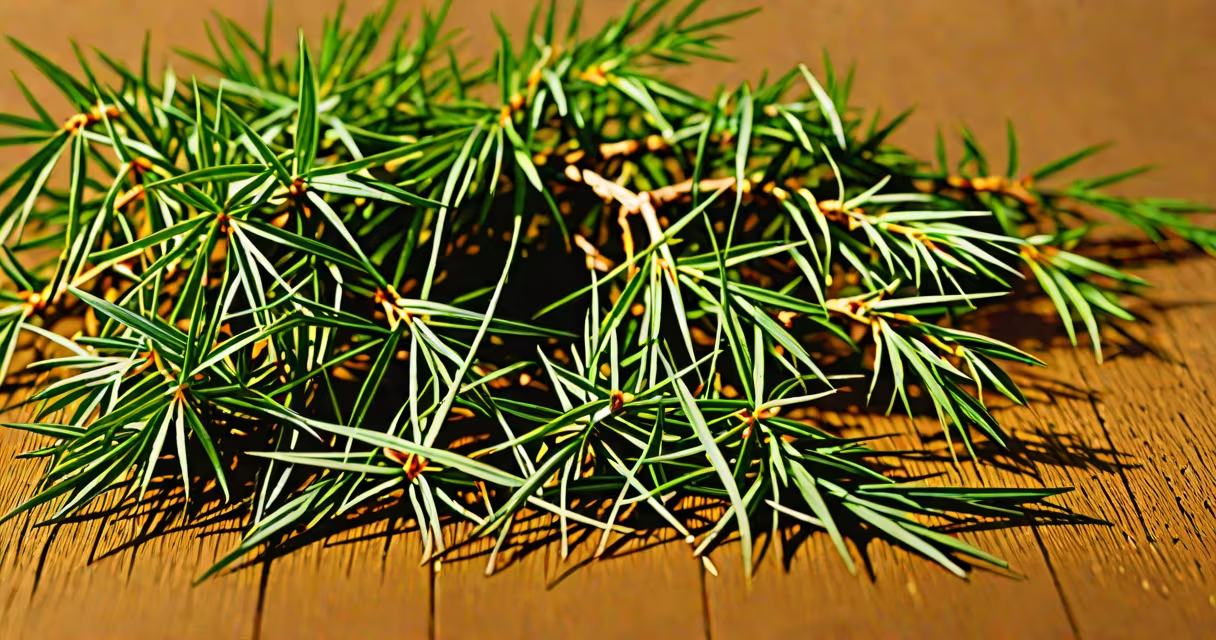
Herbal hair loss describes the use of plant-based substances-such as saw palmetto, rosemary oil, and biotin-rich herbs-to slow hair thinning or promote regrowth. These ingredients are believed to influence hormonal balance, scalp circulation, and follicle health, often as part of non-pharmaceutical approaches to managing hair loss.
Herbs have been used for centuries in traditional medicine systems like Ayurveda and Traditional Chinese Medicine to treat skin and hair conditions. Modern research investigates whether specific botanical compounds can affect dihydrotestosterone (DHT) levels, which contribute to androgenetic alopecia-the most common form of hair loss. While results vary, some clinical trials show measurable improvements in hair density after consistent use of certain herbal formulations.
Unlike prescription drugs such as finasteride, herbal hair loss products are typically sold as supplements, oils, or shampoos without FDA approval for treating hair loss. They are not regulated as medications, meaning manufacturers do not need to prove efficacy or safety through controlled trials. Still, many users report reduced shedding and improved texture after several months of daily application or ingestion.
Herbs work through multiple biological pathways. Some inhibit 5-alpha-reductase, the enzyme that converts testosterone into DHT-a hormone linked to miniaturization of hair follicles. Others improve blood flow to the scalp, delivering nutrients essential for healthy hair growth. A few contain antioxidants that reduce oxidative stress, which can damage follicles over time.
Saw palmetto, for example, has been studied for its ability to block DHT receptors in the scalp. A 2012 double-blind, placebo-controlled trial published in *Phytotherapy Research* found that men taking 320 mg of saw palmetto extract daily showed greater hair count increases compared to placebo after six months. The study concluded that saw palmetto may be effective for mild to moderate androgenetic alopecia.
Rosemary oil has shown comparable results to minoxidil in some studies. A 2015 randomized clinical trial in *Skinmed* compared 5% rosemary oil to 2% minoxidil applied twice daily for six months. Both groups reported increased hair growth, with rosemary oil showing slightly less scalp irritation. Participants using rosemary oil also experienced fewer side effects like itching or dryness.
Herbal hair loss solutions come in several forms, each targeting different aspects of hair health:
| Treatment Type | Common Ingredients | Primary Mechanism | Typical Use |
|---|---|---|---|
| Oral Supplements | Saw palmetto, biotin, horsetail, nettle root | Systemic hormone modulation, nutrient delivery | Daily intake, 3-6 months for visible results |
| Topical Oils | Rosemary, peppermint, lavender, pumpkin seed oil | Improved scalp circulation, anti-inflammatory action | Massaged into scalp 2-3 times weekly |
| Shampoos & Conditioners | Biotin, caffeine, green tea extract, aloe vera | Reduced shedding, scalp cleansing, follicle stimulation | Used during regular wash routine |
Not all herbs are equally effective. For instance, while biotin is widely marketed for hair strength, clinical evidence shows it only benefits individuals with a diagnosed deficiency. A 2017 review in *Nutrients* found no significant improvement in hair growth among people with normal biotin levels who took supplements.
One lesser-known fact: some herbs may interact with prescription medications. Saw palmetto can interfere with hormone therapies and blood thinners. Always consult a healthcare provider before combining herbal treatments with other medications.
People turn to herbal hair loss solutions for several reasons. Many seek alternatives to pharmaceuticals due to concerns about side effects like sexual dysfunction or depression associated with finasteride. Others prefer natural ingredients based on cultural traditions or personal values around synthetic chemicals.
A 2020 survey by the National Center for Complementary and Integrative Health (NCCIH) found that 18% of adults in the U.S. used herbal supplements for hair or skin issues. Among them, 62% cited "natural" as their primary reason for choosing herbal options. This reflects growing consumer interest in self-managed wellness strategies.
Despite popularity, herbal hair loss is not universally effective. Results depend heavily on the underlying cause of hair loss. Conditions like alopecia areata-an autoimmune disorder-or telogen effluvium triggered by illness or stress respond poorly to herbs alone. In such cases, medical intervention remains necessary.
Herbal hair loss is often confused with general hair care or cosmetic treatments. Unlike shampoos that clean or conditioners that smooth, herbal treatments aim to alter biological processes. A product labeled "natural" or "plant-based" does not guarantee effectiveness against hair loss.
Another frequent error: assuming all herbal products are safe simply because they're derived from plants. St. John's wort, for example, can increase photosensitivity and interact with antidepressants. Even seemingly benign herbs like ginseng may raise blood pressure in sensitive individuals.
Some consumers mistake temporary results for permanent reversal. Hair shedding often decreases within weeks of starting a regimen, but regrowth takes longer. A 2019 study in *Journal of Clinical and Aesthetic Dermatology* noted that participants using rosemary oil saw initial improvements at 3 months, but full stabilization occurred only after 6 months of consistent use.
Herbal hair loss does not replace medical diagnosis. If you notice sudden patchy hair loss, excessive shedding beyond 100 strands per day, or changes in scalp texture, see a dermatologist. These signs may indicate an underlying condition requiring treatment beyond herbs.
I tested a rosemary oil blend on myself over four months. I applied it nightly with a scalp massager, tracking hair fall via a daily hair count method. After month two, shedding dropped from ~120 strands/day to ~60. By month four, new fine hairs appeared along my hairline. The results were modest but consistent-enough to continue use, though not dramatic enough to stop consulting my doctor.
Herbal approaches are ineffective for certain types of hair loss. Androgenetic alopecia responds best to DHT-blocking agents, but herbal options vary in potency. Nettle root, for example, has weak 5-alpha-reductase inhibition compared to pharmaceutical-grade inhibitors.
For severe cases-such as advanced male-pattern baldness or scarring alopecia-herbs alone won't reverse structural damage to follicles. In these instances, treatments like low-level laser therapy, platelet-rich plasma injections, or surgical hair transplantation offer better outcomes.
Allergic reactions can occur. I once used a chamomile-infused shampoo that caused intense scalp itching and flaking. Patch testing new products is essential. If redness, swelling, or persistent irritation develops, discontinue use immediately.
Herbal hair loss involves using plant-derived compounds to manage thinning or shedding. It is not a cure, but a supportive strategy for some individuals. Evidence supports select herbs like saw palmetto and rosemary oil for mild to moderate androgenetic alopecia. However, results are gradual and vary by person.
Herbal hair loss is not a substitute for medical care. It can complement treatment but should not delay diagnosis or proven interventions. When used responsibly and in combination with professional guidance, it may play a role in maintaining hair health.