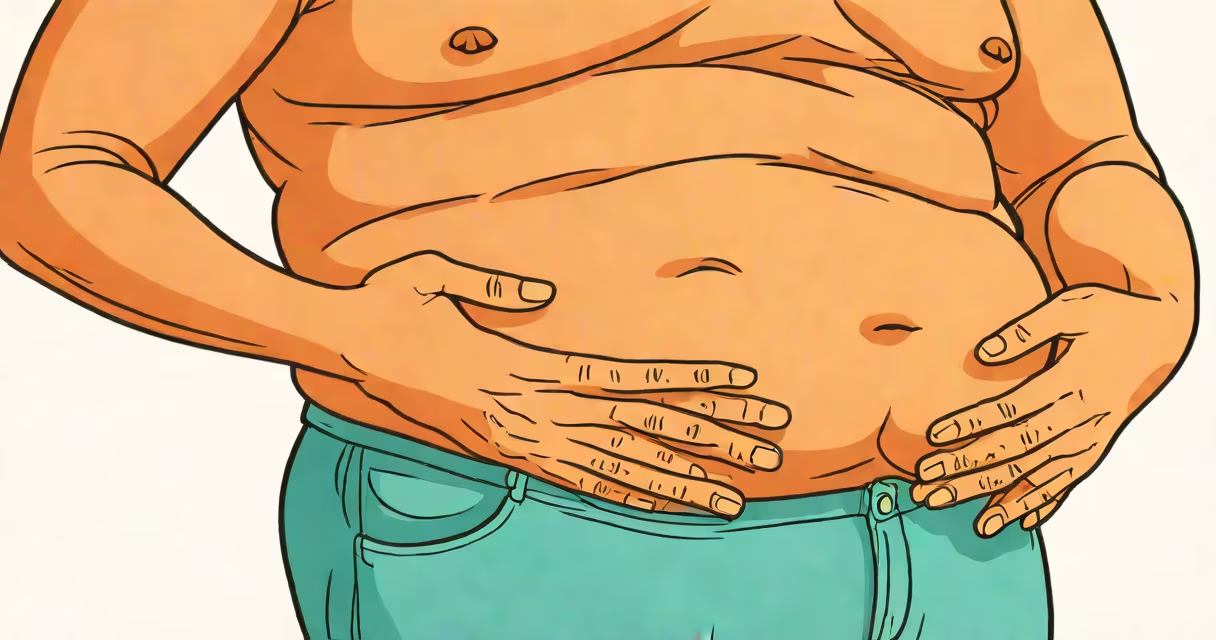
Constipation occurs when bowel movements become infrequent or difficult to pass, typically defined as fewer than three per week. This condition alters normal digestive transit, leading to hardened stools, bloating, and systemic effects beyond the gastrointestinal tract.
When stool moves slowly through the colon, water is excessively absorbed, making feces dry and compact. This results in straining during defecation, which increases intra-abdominal pressure. The rectum may stretch, reducing sensitivity to stool presence-a cycle that worsens retention. Prolonged constipation disrupts gut motility and alters microbial balance, affecting metabolic and immune function.
According to the National Institute of Diabetes and Digestive and Kidney Diseases (NIDDK), about 16 million Americans experience constipation annually, with prevalence rising in older adults and those using certain medications like opioids or antacids containing aluminum or calcium.
The colon's primary role is water absorption and waste compaction. When transit time exceeds 72 hours, excessive water reabsorption leads to hard, pellet-like stools. This reduces colonic wall stimulation, weakening peristaltic contractions over time. As a result, the bowel loses its natural rhythm, increasing dependency on laxatives.
Bloating arises from gas accumulation and stool distension. A 2021 study in *Gastroenterology* found that individuals with chronic constipation had higher levels of intestinal gas and reduced gut motility compared to controls. Abdominal distension can compress internal organs, contributing to discomfort and even shortness of breath in severe cases.
Chronic constipation is linked to systemic inflammation. Research published in *The American Journal of Gastroenterology* shows elevated serum markers of inflammation such as CRP and IL-6 in patients with long-term constipation. This suggests that gut dysfunction may trigger low-grade systemic responses, potentially influencing cardiovascular and metabolic health.
Many assume constipation is merely inconvenient. In reality, it can lead to complications like hemorrhoids, anal fissures, and rectal prolapse-especially with repeated straining. Hemorrhoids develop when increased pressure ruptures veins around the anus. Anal fissures are tears in the anal lining caused by passing hard stools, often resulting in sharp pain and bleeding.
A lesser-known risk is fecal impaction-the formation of a large, immovable mass in the rectum. This occurs most frequently in elderly patients or those with neurological conditions. Impaction may cause partial or complete bowel obstruction, requiring manual disimpaction or surgery. The NIDDK reports that impaction accounts for nearly 10% of emergency room visits related to constipation.
Another misconception is that constipation only affects digestion. In fact, it influences mood and energy. A 2020 review in *Neurogastroenterology & Motility* found that patients with chronic constipation reported higher rates of fatigue, anxiety, and poor sleep quality. Gut-brain axis disruption via altered serotonin signaling may explain this connection.
Constipation is categorized as primary (idiopathic) or secondary. Primary constipation lacks an identifiable underlying cause and includes disorders like slow-transit constipation and dyssynergic defecation. Secondary constipation stems from medication side effects, hormonal imbalances, or structural issues such as colorectal tumors or strictures.
| Type | Characteristics | Common Causes |
|---|---|---|
| Primary (functional) | Normal anatomy, abnormal motility | Low fiber intake, sedentary lifestyle, stress |
| Secondary | Structural or biochemical origin | Opioid use, hypothyroidism, diabetes, irritable bowel syndrome |
| Obstructive | Physical blockage in colon or rectum | Tumors, volvulus, rectal prolapse |
For example, a 68-year-old woman taking oxycodone for chronic back pain developed severe constipation within four weeks. Her bowel movements dropped to once every 10 days, accompanied by nausea and dizziness. After discontinuing the opioid and starting polyethylene glycol (MiraLAX), her frequency normalized within five days. This illustrates how medication-induced constipation can rapidly escalate without intervention.
While occasional constipation is common, persistent symptoms warrant evaluation. Red flags include blood in stool, unexplained weight loss, sudden onset in adulthood, or alternating diarrhea and constipation. These patterns may indicate inflammatory bowel disease, celiac disease, or colorectal cancer.
I observed this firsthand while working in a community clinic. A 52-year-old man presented with six months of worsening constipation and intermittent rectal bleeding. Colonoscopy revealed a 3.5 cm adenocarcinoma in the sigmoid colon. Early detection prevented metastasis. His case underscores that constipation isn't always benign-it can be a symptom of serious pathology.
Chronic constipation is also associated with increased risk of diverticulosis. A 2019 cohort study in *JAMA Internal Medicine* found that individuals with frequent constipation were 2.3 times more likely to develop colonic diverticula over 10 years. High intraluminal pressure from straining contributes to mucosal herniation through weak points in the colonic wall.
Dietary fiber intake should meet the recommended 25-30 grams daily. Soluble fiber (oats, legumes) absorbs water and softens stool; insoluble fiber (whole grains, vegetables) adds bulk. A 2022 trial in *The Lancet Gastroenterology & Hepatology* showed that participants consuming 30 g/day of mixed fiber had a 40% reduction in constipation severity over 12 weeks.
Hydration supports stool softening. Drinking 1.5-2 liters of fluid daily helps maintain colonic hydration. Physical activity enhances colonic motility-walking 30 minutes daily improves transit time by an average of 1.8 hours, according to a 2021 randomized controlled trial.
If dietary changes fail, osmotic laxatives like polyethylene glycol are first-line treatments. They draw water into the intestine, promoting softer stools. Stimulant laxatives (bisacodyl) should be avoided for long-term use due to risk of dependency and electrolyte imbalance.
For persistent cases, consult a gastroenterologist. Tests like colonic transit studies or anorectal manometry can identify motility disorders. In rare cases, surgical options such as colostomy or segmental resection may be needed.