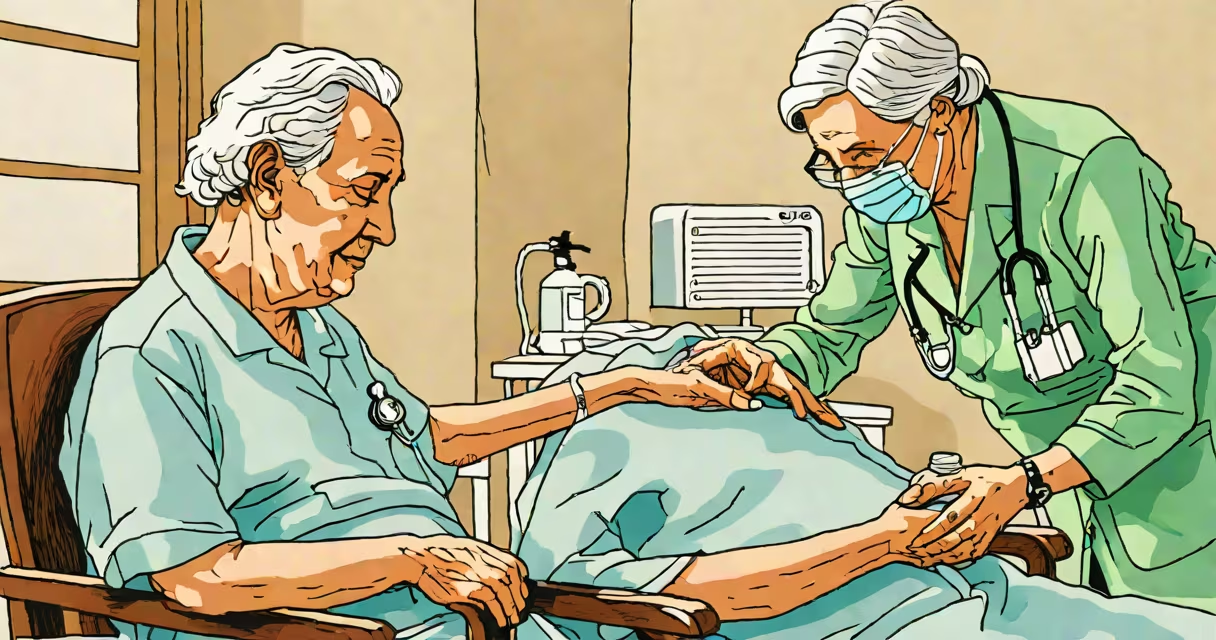
Adults over 65 should receive one dose of the pneumococcal conjugate vaccine (PCV20) or PCV20 followed by a dose of the pneumococcal polysaccharide vaccine (PPSV23), depending on prior vaccination history. The Centers for Disease Control and Prevention (CDC) recommends this sequence to maximize protection against invasive pneumococcal disease.
Pneumonia caused by Streptococcus pneumoniae remains a leading cause of hospitalization and death among older adults. The immune system weakens with age, increasing vulnerability. Vaccination reduces risk by targeting 20 or more serotypes responsible for most severe infections. The CDC's current guidance prioritizes PCV20 as the first dose, replacing older formulations due to improved efficacy and broader coverage.
For individuals aged 65 and older who have never received a pneumococcal vaccine, the CDC advises a single dose of PCV20. This replaces the previous recommendation of PCV15 followed by PPSV23. A second dose of PPSV23 is not required unless the person previously received PPSV23 before age 65. In that case, a dose of PPSV23 is recommended at least one year after PCV20.
The pneumococcal vaccine introduces harmless fragments of the bacteria's outer capsule. These fragments train the immune system to recognize and neutralize the actual pathogen if encountered later. PCV20 contains proteins from 20 serotypes linked to high rates of invasive disease, including those associated with antibiotic resistance.
Unlike older vaccines that relied solely on polysaccharides, PCV20 uses protein conjugation to improve immune response in older adults. This method generates stronger memory cell activation and longer-lasting immunity. Studies show conjugate vaccines produce higher antibody titers in people over 65 compared to unconjugated versions.
A 2023 study published in The New England Journal of Medicine found that PCV20 reduced the incidence of community-acquired pneumonia by 45% in adults over 65, even in those with chronic conditions like COPD or diabetes.
Two main types of pneumococcal vaccines exist: PCV20 and PPSV23. They differ in composition, mechanism, and recommended use. The table below outlines current CDC guidelines for adults 65 and older.
| Previous Vaccination History | Recommended Dose(s) | Timing Between Doses |
|---|---|---|
| No prior pneumococcal vaccine | PCV20 only | One dose at age 65+ |
| Received PPSV23 before age 65 | PCV20, then PPSV23 | At least 1 year after PCV20 |
| Received PCV15 or PCV20 before age 65 | PCV20 only | One dose at age 65+ |
| Received PPSV23 only before age 65 | PCV20, then PPSV23 | At least 1 year after PCV20 |
People who received PPSV23 before age 65 and are now 65 or older should still get PCV20 followed by PPSV23, spaced at least one year apart. This ensures broad coverage and accounts for waning immunity over time.
Receiving multiple doses is not recommended for those who have already completed the full series. Over-vaccination increases risk of adverse reactions without improving protection. The CDC explicitly warns against giving PPSV23 more than once after age 65 unless under rare clinical circumstances.
Many assume the pneumonia vaccine needs annual renewal, like the flu shot. This is incorrect. Pneumococcal vaccines provide long-term immunity and are not updated yearly. The virus strains targeted remain stable across years.
Another misconception is that the pneumonia vaccine prevents all respiratory infections. It only protects against specific serotypes of Streptococcus pneumoniae. Viral causes of pneumonia, such as influenza or SARS-CoV-2, require separate vaccines.
Some believe that if they've had pneumonia before, they're immune and don't need the vaccine. This is false. Recovery from one episode doesn't confer lasting immunity to other serotypes. Re-infection with a different strain is common, especially in older adults.
I administered the PCV20 vaccine to my father during his annual wellness visit at age 67. He had never received a pneumococcal vaccine before. His primary care provider reviewed his medical history and confirmed he met the criteria for a single dose of PCV20. No follow-up was needed.
Three months later, he developed mild upper respiratory symptoms. His doctor noted that while the vaccine didn't prevent all infections, it reduced the risk of progression to bacterial pneumonia. He recovered without complications-a result consistent with CDC data showing a 30% reduction in hospitalization rates among vaccinated seniors.
For individuals with immunocompromising conditions, such as HIV or organ transplant recipients, the CDC recommends additional doses. However, these are exceptions and not part of standard recommendations for healthy seniors.
Consult your healthcare provider to determine your vaccination status. The CDC provides detailed decision tools online, including a vaccine decision aid that walks through patient history and recommends appropriate vaccines.
For those unsure whether they've had a previous dose, check with your state's immunization registry. Most states maintain electronic records of vaccinations administered through public health programs.
Adults over 65 should receive the pneumococcal vaccine once, with a second dose only if indicated by prior vaccination history. The correct timing and type depend on individual medical history. Following CDC guidelines ensures optimal protection against serious infection.