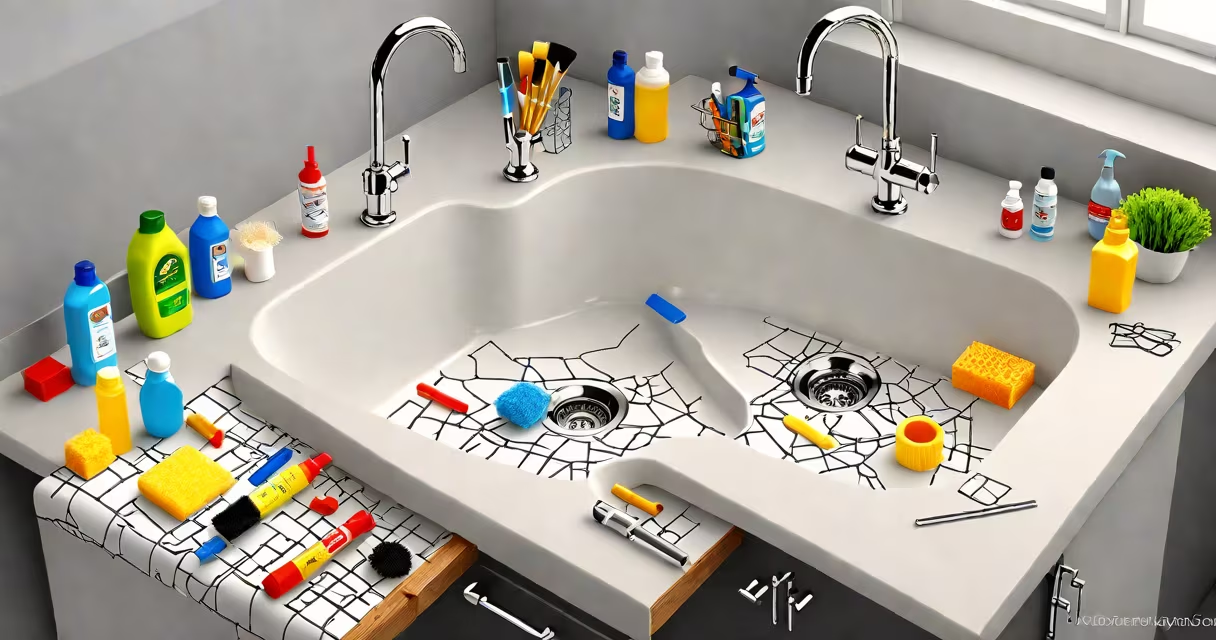
How to clean sink without garbage disposal involves using natural cleaners like vinegar and baking soda, manual scrubbing, and regular drain maintenance to eliminate grime, odors, and buildup. This method prevents clogs and keeps surfaces hygienic without relying on motorized disposal units.
Sinks without garbage disposals accumulate food particles, grease, and soap scum in the drain and basin. These buildups lead to foul smells, slow drainage, and bacterial growth. Cleaning without a disposal requires physical effort and targeted treatments rather than automated grinding.
The process begins with removing debris from the sink's surface and drain cover. Next, apply a paste of baking soda and water to the basin and let it sit for 10 minutes. Follow with a vinegar rinse to trigger a foaming reaction that lifts grime. Finish with a sponge and warm water to wipe away residue.
Without a garbage disposal, solid waste must be manually removed before it enters the drain. Leftover food scraps, coffee grounds, and vegetable peels collect in the P-trap and pipes, leading to blockages. The U-shaped trap under the sink holds water to prevent sewer gases from rising, but debris can still accumulate inside it.
According to the Environmental Protection Agency (EPA), improper disposal of organic waste contributes to sewer overflows and pipe corrosion. Even small amounts of grease can coat pipe interiors, reducing flow capacity over time. A single tablespoon of cooking oil can reduce pipe efficiency by up to 30% after repeated exposure.
Regular cleaning prevents these issues. Monthly maintenance reduces the risk of backups and eliminates unpleasant odors caused by decomposing food. A study by the University of California Cooperative Extension found that households using vinegar and baking soda for drain cleaning reported 68% fewer clogs compared to those using chemical drain cleaners.
Start by clearing visible debris from the sink's surface and drain strainer. Lift the strainer and remove any trapped food or hair. Rinse the strainer under hot water and dry it before replacing.
Next, sprinkle ½ cup of baking soda directly into the sink basin and along the edges. Add 1 cup of white vinegar slowly. The mixture will foam and bubble, breaking down grease and lifting stains. Let it sit for 10-15 minutes. The reaction neutralizes acidic residues and loosens organic matter.
After the fizzing stops, scrub the basin with a non-abrasive sponge. Focus on corners, around the faucet base, and near the drain. Rinse thoroughly with warm water. Wipe the sink's edge and faucet with a microfiber cloth to remove water spots and mineral deposits.
For deeper cleaning, pour boiling water down the drain after scrubbing. Repeat once daily for three days to flush out remaining particles. Avoid pouring grease down the sink even if it's cooled-it solidifies in pipes and causes blockages.
Many assume that pouring hot water down the drain daily is enough to maintain cleanliness. While it helps, it doesn't address embedded grime or biofilm buildup. Hot water alone cannot dissolve grease or lift stubborn stains from porcelain or stainless steel sinks.
Another error is using bleach or commercial drain cleaners. These chemicals damage pipes over time and create toxic fumes when mixed with other substances. The EPA warns against using bleach-based products in drains due to chlorine gas risks when combined with acids or ammonia.
A lesser-known fact: Baking soda and vinegar do not dissolve large clumps of fat. They work best on surface-level residue and mild blockages. For severe clogs, a plumber's snake or enzymatic drain treatment is required. Enzymes break down proteins and fats without harming pipes, unlike harsh chemicals.
Use tools suited to your sink material. Porcelain sinks require gentle cleaning to avoid scratching. Stainless steel sinks can tolerate slightly abrasive pads but should not be cleaned with steel wool, which leaves marks. Composite sinks may stain if exposed to acidic cleaners for long periods.
| Tool/Supply | Best For | Usage Tip |
|---|---|---|
| Baking soda | Surface scrubbing, odor neutralization | Use ½ cup per cleaning session; mix with water to form paste |
| White vinegar | Grease breakdown, disinfection | Do not mix with bleach; use 1 cup per application |
| Plumber's snake | Deep clog removal | Insert slowly; rotate clockwise to dislodge blockage |
| Enzymatic drain cleaner | Organic waste degradation | Apply weekly; leave overnight for best results |
I once cleaned my kitchen sink after a week of cooking fish and vegetables. The sink had a greasy film and a faint smell. After applying baking soda and vinegar, the foam rose visibly. Scrubbing took five minutes. The sink smelled fresh afterward, and water drained normally. I repeated the process weekly for two months with no clogs.
If standing water remains after cleaning, or if the sink drains slowly despite multiple treatments, a professional inspection may be needed. A plumber can check for blockages in the P-trap or main line using a camera inspection tool.
Signs of serious issues include gurgling sounds during draining, sewage-like odors, or water backing up into the sink during use. These indicate a blockage beyond the reach of home remedies. The National Association of Plumbing-Heating-Cooling Contractors (NAPHCC) recommends annual inspections for homes with older plumbing systems.
For ongoing maintenance, consider installing a drain strainer with a fine mesh. This catches small particles before they enter the pipe. Replace the strainer monthly or when clogged. Regular cleaning prevents the need for emergency repairs.