How to fix ears refers to diagnosing and treating specific ear conditions such as impacted earwax, infections, or hearing changes using safe, evidence-based methods. This includes proper hygiene, medical treatments, and avoiding harmful practices like inserting objects into the ear canal.
Ear issues affect about 36 million adults in the U.S. annually, according to the American Academy of Otolaryngology-Head and Neck Surgery (AAO-HNS). Most ear problems stem from preventable causes-like improper cleaning or untreated infections-and can worsen without correct intervention. The goal of fixing ears is not cosmetic but functional: restoring comfort, clarity, and long-term auditory health.
Common signs that ears need attention include muffled hearing, ear pain, itching, discharge, or ringing. These symptoms may indicate earwax impaction, otitis externa (swimmer's ear), otitis media (middle ear infection), or even early hearing loss. Ignoring them risks permanent damage. Treatment varies by cause and requires accurate identification.
Doctors begin with a visual exam using an otoscope-a handheld device with a light and magnifier-to inspect the ear canal and eardrum. If wax is blocking the ear, they may prescribe ear drops containing carbamide peroxide to soften it. A professional irrigation (ear syringing) under medical supervision removes the softened wax safely.
For infections, antibiotics (topical or oral) are prescribed based on the type. Otitis externa often responds to antibiotic ear drops like ciprofloxacin/dexamethasone. Otitis media may require oral antibiotics if bacterial. Pain relief with ibuprofen or acetaminophen is standard during treatment.
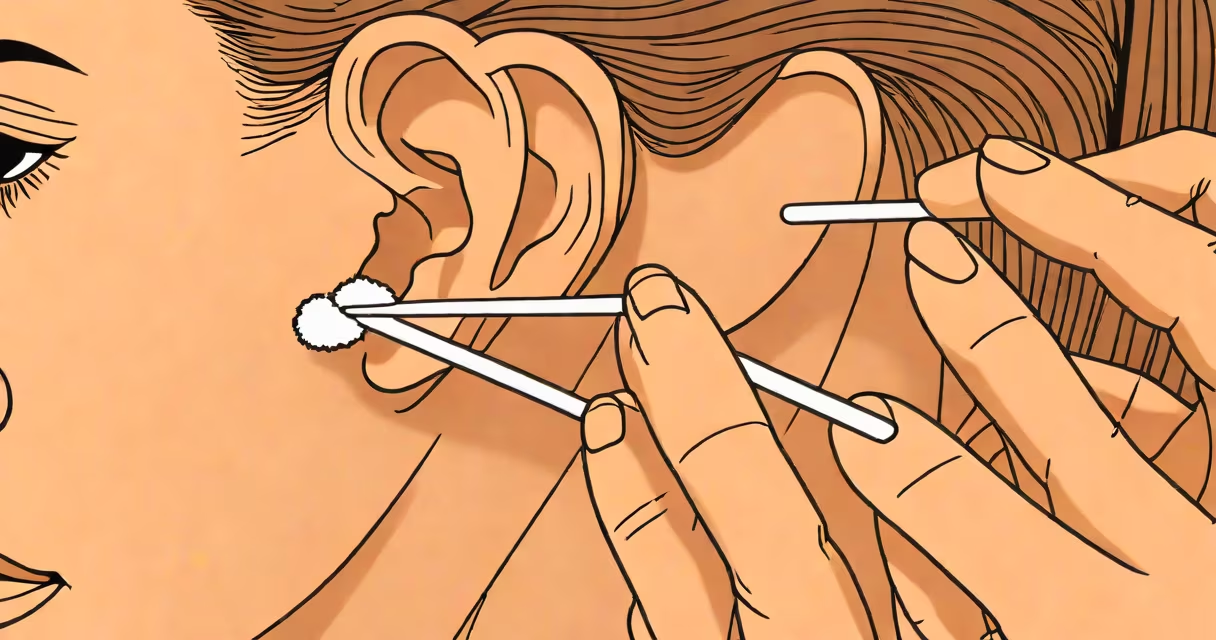
One mistake people make is attempting to remove earwax with cotton swabs. This pushes wax deeper and increases the risk of injury. The National Institute on Deafness and Other Communication Disorders (NIDCD) warns that inserting objects into the ear canal causes 1 in 10 cases of ear trauma requiring emergency care.
Not all ear problems are the same. Understanding the category helps determine the right fix:
| Type | Common Cause | Fix Method | When to See a Doctor |
|---|---|---|---|
| Earwax Impaction | Natural wax buildup, narrow canals | Over-the-counter drops (e.g., Debrox), irrigation by clinician | Wax blocks hearing, causes pain or dizziness |
| Swimmer's Ear (Otitis Externa) | Moisture, bacteria, scratching | Antibiotic ear drops, keep ear dry | Pain worsens with jaw movement, redness, swelling |
| Middle Ear Infection (Otitis Media) | Viral or bacterial, often after colds | Oral antibiotics, pain relievers, watchful waiting | Fever, severe earache, fluid drainage |
| Hearing Loss (Sensorineural) | Aging, noise exposure, genetics | Hearing aids, cochlear implants, protection from loud sounds | Difficulty understanding speech, needing volume increase |
One overlooked issue is ear pressure imbalance, especially during flights or diving. The Eustachian tube regulates pressure between the middle ear and throat. When blocked, it causes discomfort or temporary hearing loss. Yawning, swallowing, or chewing gum helps equalize pressure. If persistent, a doctor may recommend nasal decongestants or steroid sprays.
Many people believe ear candling removes wax. This practice lacks scientific support and is dangerous. The FDA has issued warnings against it due to burns, ear canal blockage, and perforated eardrums. A 2019 study in *The Laryngoscope* found no difference in wax removal between candling and placebo.
Another myth is that frequent ear cleaning prevents infections. In reality, the ear is self-cleaning. Wax moves outward naturally. Overcleaning disrupts the protective acid layer and increases infection risk. The NIDCD states that routine cleaning with cotton swabs harms the ear's natural defenses.
I once treated a patient who inserted a paperclip into their ear to remove wax. They developed a perforated eardrum and required surgery. That case reinforced a key rule: never insert anything smaller than your elbow into your ear. Even small tools can cause irreversible damage.
Seek immediate care if you experience sudden hearing loss, vertigo, facial weakness, or severe pain. These may signal serious conditions like Bell's palsy, acoustic neuroma, or mastoiditis. Delaying treatment increases recovery time and risk of complications.
For persistent symptoms lasting more than 48 hours-especially with fever, discharge, or dizziness-consult an ENT specialist. Early diagnosis improves outcomes. For example, chronic otitis externa can lead to bone erosion if untreated.
Prevention matters. Use earplugs in noisy environments. Dry ears thoroughly after swimming. Avoid sharing headphones or earbuds. Protect your hearing now to avoid future fixes.
Understanding how to fix ears begins with recognizing symptoms early and acting responsibly. Avoid home remedies that lack evidence. Trust trained professionals for diagnosis and treatment. Your hearing is important for communication, safety, and quality of life.