mild food poisoning remedies are non-medical strategies used to ease symptoms like nausea, vomiting, diarrhea, and stomach cramps when illness is mild and not life-threatening. These approaches prioritize hydration, gentle nutrition, and rest to support recovery within 24-72 hours.
Food poisoning results from ingesting contaminated food or drink containing bacteria (like Salmonella or E. coli), viruses (such as norovirus), or toxins. When symptoms are mild-limited to occasional nausea, loose stools, and mild abdominal discomfort-medical intervention is often unnecessary. Instead, the body can clear the infection with supportive care. The goal of mild food poisoning remedies is to prevent dehydration, reduce gut irritation, and restore normal digestion.
According to the Centers for Disease Control and Prevention (CDC), most cases of foodborne illness resolve on their own within a few days. The American Academy of Family Physicians (AAFP) recommends focusing on fluid replacement and gradual reintroduction of food rather than using anti-diarrheal medications unless advised by a provider.
These remedies function by minimizing stress on the digestive system while supporting the body's natural ability to eliminate pathogens. Dehydration is the primary risk during mild episodes, especially when diarrhea or vomiting occurs. Replacing lost fluids and electrolytes prevents complications such as dizziness, fatigue, and low blood pressure.
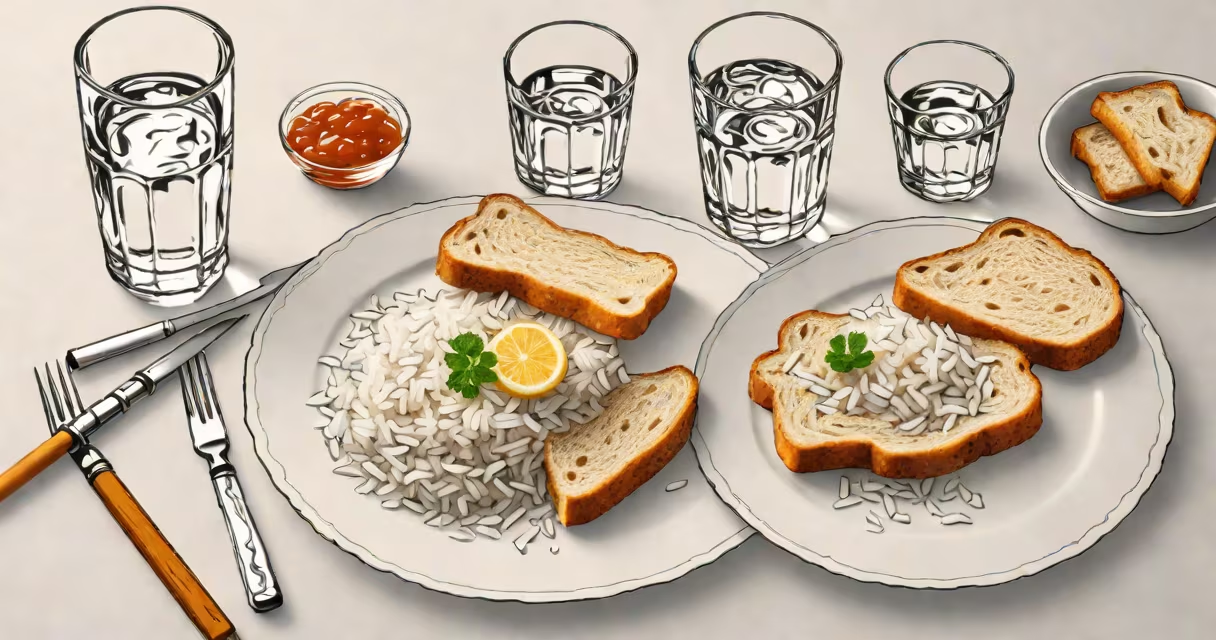
Bland foods like bananas, rice, applesauce, and toast (the BRAT diet) are recommended because they are low in fiber and fat, which reduces bowel stimulation. They also contain pectin (in applesauce) and potassium (in bananas), which may help firm up stool. However, research from the National Institutes of Health (NIH) notes that the BRAT diet lacks high-quality evidence for efficacy beyond symptom relief.
Rest allows the immune system to focus energy on fighting off the invading microorganisms. Physical activity increases metabolic demand, which can worsen fatigue and delay recovery. Limiting movement and prioritizing sleep supports faster healing.
Remedies fall into three categories: hydration, nutrition, and symptom management. Each targets a different aspect of recovery.
| Type | Examples | Key Benefit |
|---|---|---|
| Hydration | Oral rehydration solutions (ORS), clear broths, weak tea, water with lemon | Replaces sodium, potassium, and chloride lost through diarrhea and vomiting |
| Nutrition | BRAT diet, boiled potatoes, oatmeal, plain crackers | Provides calories without irritating the gut; aids in stool consistency |
| Symptom Relief | Peppermint tea, ginger tea, probiotics (e.g., Lactobacillus) | May reduce nausea and bloating; some strains show modest benefit in reducing duration |
Oral rehydration solutions (ORS) are particularly effective. A 2021 review in Clinical Infectious Diseases found ORS reduced hospitalization rates by 35% in mild-to-moderate cases compared to water alone. Commercial ORS packets (like Pedialyte or Dioralyte) contain precise ratios of glucose and electrolytes that improve absorption in the small intestine.
Probiotics have mixed evidence. A 2020 Cochrane review concluded that certain strains-especially Lactobacillus rhamnosus GG-shortened acute diarrhea duration by about 12 hours in adults. However, effects were inconsistent across studies, and not all brands deliver viable organisms.
These remedies are applied at home during early stages of illness when symptoms do not require emergency care. They're common in households with children, elderly individuals, or people with chronic conditions who are more vulnerable to dehydration.
For example, a 32-year-old woman ate undercooked chicken at a picnic and developed mild nausea and watery diarrhea six hours later. She didn't have fever, blood in stool, or severe pain. She began drinking oral rehydration solution every 15 minutes, ate plain toast after two hours, and rested. By the next morning, her symptoms had resolved. She did not seek medical attention.
Healthcare providers recommend mild food poisoning remedies for patients with:
Using these remedies avoids unnecessary antibiotic prescriptions. Antibiotics are ineffective against viral causes and can disrupt healthy gut flora, increasing the risk of secondary infections like Clostridioides difficile.
Many assume that fasting is best during food poisoning. This is incorrect. Fasting delays nutrient intake and increases the risk of hypoglycemia, especially in children and older adults. The CDC advises starting with small sips of fluid and progressing to soft foods within 6-8 hours.
Another myth is that anti-diarrheal drugs like loperamide (Imodium) speed recovery. They do not. They slow gut motility, which can trap pathogens in the intestines and prolong illness. The FDA warns against using loperamide in suspected bacterial food poisoning due to the risk of toxic megacolon.
A lesser-known fact: caffeine-containing beverages (coffee, soda, energy drinks) worsen dehydration. Even decaf coffee has diuretic properties. Alcohol is strictly contraindicated-it irritates the stomach lining and interferes with liver detoxification.
I once observed a patient with mild food poisoning who drank two cups of black coffee and then required IV fluids. The coffee increased gastric acid secretion and accelerated fluid loss. This case highlights how common choices can undermine recovery.
If symptoms persist beyond 48 hours, worsen, or include warning signs, stop using home remedies and consult a provider. Red flags include:
Dehydration from food poisoning can progress rapidly. According to the Mayo Clinic, untreated dehydration leads to kidney strain, electrolyte imbalances, and increased hospitalization risk. If oral rehydration fails, intravenous fluids may be needed.
Effective management of mild food poisoning relies on timely hydration, appropriate nutrition, and avoiding harmful substances. These remedies are not cures but tools to support the body's innate healing process.