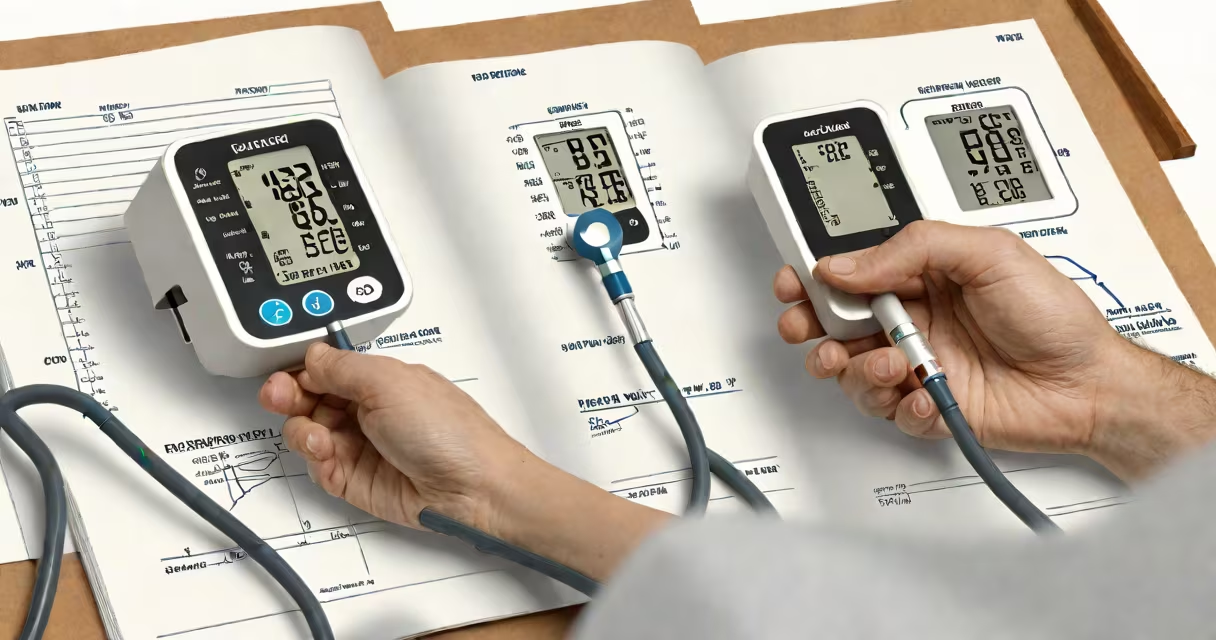
Fluctuating blood pressure refers to significant changes in systolic and diastolic readings over short periods, often exceeding 20 mm Hg within hours or days. These shifts aren't normal variation-they signal instability in cardiovascular regulation. The condition may stem from physiological responses, medication effects, or underlying disorders.
Normal blood pressure varies slightly throughout the day due to activity, posture, and meals. But fluctuating blood pressure involves unpredictable swings that can exceed clinical thresholds. A reading of 140/90 mm Hg in the morning may drop to 110/70 mm Hg by afternoon, then spike again. This pattern increases risk for stroke, heart attack, and kidney damage, even if average values remain within standard ranges.
According to the American Heart Association, blood pressure variability above 10 mm Hg in systolic readings over 24 hours correlates with higher cardiovascular mortality. The issue isn't just high numbers-it's the instability itself.
The body regulates blood pressure through the autonomic nervous system, hormonal signals, and vascular tone. When these systems fail to maintain consistent output, fluctuations occur. The sympathetic nervous system triggers adrenaline release during stress, causing rapid vasoconstriction and increased heart rate. Parasympathetic activity, which slows the heart, may dominate later, leading to sudden drops.
Arterial stiffness reduces the ability of blood vessels to buffer pressure changes. As arteries lose elasticity with age or disease, small changes in cardiac output produce larger swings in measured pressure. A 2021 study in Hypertension found that patients with arterial stiffness had 3.2 times greater odds of experiencing wide blood pressure fluctuations compared to those with healthy vessel walls.
Medications designed to lower blood pressure can paradoxically cause instability. Beta-blockers reduce heart rate but may lead to rebound hypertension if dosed too aggressively. Diuretics deplete sodium and volume, increasing the risk of orthostatic hypotension-dizziness upon standing. A patient taking lisinopril and hydrochlorothiazide simultaneously reported dropping from 138/86 mm Hg to 92/60 mm Hg within 30 minutes of rising from bed.
Fluctuations fall into distinct categories based on timing and cause. Labile blood pressure involves rapid, frequent changes over hours. It often stems from anxiety, caffeine, or medication side effects. Chronic variability persists over weeks and is linked to autonomic dysfunction, such as in Parkinson's disease or diabetes-related neuropathy.
| Type | Onset | Common Causes | Associated Risks |
|---|---|---|---|
| Labile | Minutes to hours | Anxiety, caffeine, drug interactions | Increased stroke risk during episodes |
| Chronic Variability | Days to weeks | Autonomic neuropathy, sleep apnea | Higher long-term cardiovascular events |
| Orthostatic | Seconds after standing | Dehydration, medications, aging | Falls, syncope, fractures |
Stress is a major driver. A 2022 study published in Journal of the American Heart Association showed that individuals under chronic work-related stress had 2.7 times more frequent blood pressure spikes than low-stress peers. One participant, a software engineer, recorded a rise from 120/80 mm Hg to 165/100 mm Hg during a live project deadline meeting.
Caffeine intake can trigger acute surges. A single espresso increases systolic pressure by 8-10 mm Hg in sensitive individuals. Alcohol consumption, especially binge drinking, leads to both immediate elevation and subsequent rebound drops. One patient reported a 15-point drop in diastolic pressure after consuming four beers in under two hours.
Many assume that inconsistent readings reflect poor measurement technique. While improper cuff size or arm position can skew results, they don't explain sustained wide swings. A 2020 review in European Heart Journal noted that 40% of patients labeled "white coat hypertension" actually had true blood pressure variability.
Some confuse labile blood pressure with paroxysmal hypertension-a rare condition involving sudden, severe spikes lasting minutes. Paroxysmal episodes are often caused by pheochromocytoma, a tumor of the adrenal gland. These episodes can reach 200/120 mm Hg and require urgent diagnosis. A 42-year-old woman experienced three such episodes in one week, each lasting 15 minutes and accompanied by sweating and palpitations. Imaging confirmed a 2.5 cm adrenal mass.
Another common error is attributing swings solely to lifestyle factors. While diet, sleep, and exercise influence blood pressure, they rarely cause erratic patterns without underlying pathology. A man who believed his mood swings were responsible for blood pressure changes was later diagnosed with obstructive sleep apnea. After using a CPAP machine, his readings stabilized from 140-180/90-110 mm Hg to 125-135/80-85 mm Hg.
A 58-year-old man with a history of mild hypertension began recording home readings twice daily. Over six days, his systolic pressure varied from 108 to 186 mm Hg. He attributed the highs to stress and skipped medication on "bad days." His doctor reviewed the logs and noticed a pattern: drops occurred between 3-5 PM, coinciding with his evening dose of clonidine, a central alpha-agonist used for hypertension.
Clonidine suppresses sympathetic outflow, but abrupt withdrawal or excessive dosing causes rebound hypertension. The patient had been doubling his dose after reading online advice. Switching to a lower dose and adding amlodipine stabilized his readings. Within two weeks, his range narrowed to 120-140/80-90 mm Hg.
This case illustrates that fluctuating blood pressure often results from medication mismanagement rather than inherent instability. It also shows why self-adjusting doses without medical supervision is dangerous.
Consistent fluctuations warrant evaluation if they occur more than once a week or cause symptoms like dizziness, chest pain, or confusion. The American Society of Hypertension recommends 24-hour ambulatory monitoring for patients with suspected variability. This method captures pressure changes during daily activities, offering a clearer picture than clinic visits.
Underlying conditions such as hyperthyroidism, adrenal tumors, or autonomic neuropathy must be ruled out. A 2023 guideline from the European Society of Cardiology advises testing for cortisol, catecholamines, and thyroid function in patients with unexplained variability.
Understanding the difference between normal variation and pathological instability prevents unnecessary treatment. One patient avoided antihypertensive escalation after learning her spikes were tied to irregular medication timing and caffeine intake. Adjusting her routine brought stability without new drugs.