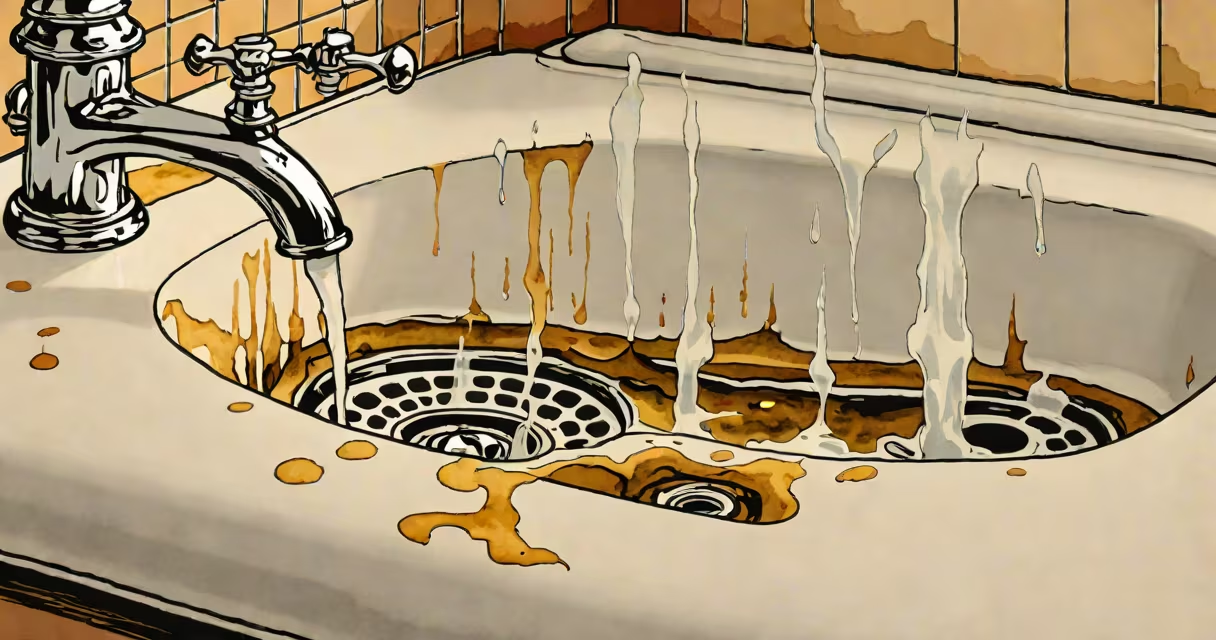
A drain that emits a rotten egg odor contains hydrogen sulfide gas, produced when sulfate-reducing bacteria break down sulfur compounds in water or organic waste. This smell is common in plumbing systems and often indicates microbial activity in drains or water heaters.
Hydrogen sulfide forms when sulfate ions in water react with bacteria in low-oxygen environments such as drain traps, pipes, or water heater tanks. The gas is highly volatile and detectable at concentrations as low as 0.5 parts per million (ppm), well below levels that cause health risks. The smell typically worsens when hot water runs, suggesting the water heater is a source.
According to the U.S. Environmental Protection Agency (EPA), hydrogen sulfide in drinking water is not a primary health concern at typical residential levels, but it can corrode metal pipes and damage plumbing fixtures over time. The EPA notes that while the odor threshold is low, sustained exposure may lead to eye irritation or nausea in sensitive individuals.
Drain traps-U-shaped bends under sinks-hold water to block sewer gases. When water evaporates, especially in infrequently used drains, the trap empties and allows gases to rise. Sulfur-rich wastewater entering the drain provides food for sulfate-reducing bacteria, which metabolize sulfur and release hydrogen sulfide.
Water heaters are another frequent source. Anode rods inside electric water heaters are made of magnesium or aluminum and corrode over time, producing hydrogen sulfide. A 2016 study published in Applied and Environmental Microbiology confirmed that sulfate-reducing bacteria colonize anode surfaces and generate hydrogen sulfide in warm water environments.
For example, a homeowner in Portland reported a persistent rotten egg smell only when using hot water. After flushing the water heater with vinegar and replacing the magnesium anode rod with an aluminum one, the odor disappeared within 48 hours. This aligns with EPA guidance recommending anode rod replacement when sulfide levels exceed 0.5 ppm.
Not all rotten egg odors come from the same place. Identifying the source helps determine the fix. The table below outlines common origins and their distinguishing traits.
| Source | Odor Pattern | Common Fix | Duration of Fix |
|---|---|---|---|
| Drain trap dryout | Smell only after long periods of disuse | Run water for 30 seconds daily | Immediate |
| Water heater anode rod | Stronger with hot water use | Replace anode rod or flush system | Days to weeks |
| Sewer line issue | Recurring, even with cold water | Inspect for cracks or root intrusion | Weeks (if professional repair) |
| Well water contamination | Persistent, affects all taps | Install filtration system | Months (depending on system) |
When the smell appears only in hot water, the water heater is likely the culprit. Cold water-only odor suggests a sewer line problem. A single drain emitting the smell points to a clogged or dry trap. These patterns help isolate the issue without extensive testing.
Many assume that a rotten egg smell always means a dangerous gas leak. That's false. Hydrogen sulfide is not flammable at normal indoor concentrations. However, high levels can mix with air to form explosive mixtures, though this is rare in homes.
Another misconception is that bleach eliminates the odor permanently. Bleach can kill surface bacteria temporarily but doesn't address the root cause. In fact, mixing bleach with sulfur compounds can produce toxic chlorine gas. The CDC warns against combining household cleaners containing chlorine with sulfur-based substances.
I once encountered a case in a rental apartment where tenants used bleach weekly to "clean" the kitchen sink. The smell worsened over months. Testing revealed elevated hydrogen sulfide levels due to bacterial regrowth in a partially dried trap. Flushing the drain with hot water and vinegar resolved the issue-bleach had only masked symptoms.
Start with flushing the drain with boiling water followed by a mixture of baking soda and vinegar. Let sit for 30 minutes, then flush with hot water. This clears organic residue and disrupts bacterial colonies. For water heaters, drain and flush the tank annually. Replace the anode rod if the smell persists after flushing.
If the odor returns after multiple treatments, or if it's present in cold water, suspect a broken sewer line or vent pipe. A plumber can inspect for cracks, tree root intrusion, or blocked vents. The National Association of Sewer Service Companies (NASSCO) recommends annual inspection of sewer lines in homes over 15 years old.
For well water users, test for sulfur and iron content. If levels exceed 0.5 ppm, install a catalytic carbon filter or aeration system. The Water Quality Association reports that 12% of private wells in rural areas exceed safe hydrogen sulfide limits.
When in doubt, contact a licensed plumber or water quality specialist. Do not attempt to repair sewer lines yourself. The risk of exposure to harmful gases or structural damage outweighs DIY attempts.
Understanding my drain smells like rotten eggs begins with identifying the source. Whether it's a dry trap, water heater, or contaminated water supply, targeted action resolves the issue. The smell is rarely a sign of immediate danger but should not be ignored. Addressing it early prevents corrosion and maintains indoor air quality.
For those experiencing recurring my drain smells like rotten eggs, consider regular maintenance. Flush drains monthly, replace anode rods every 5-7 years, and test water quality annually. These steps prevent the buildup that leads to offensive odors and costly repairs.