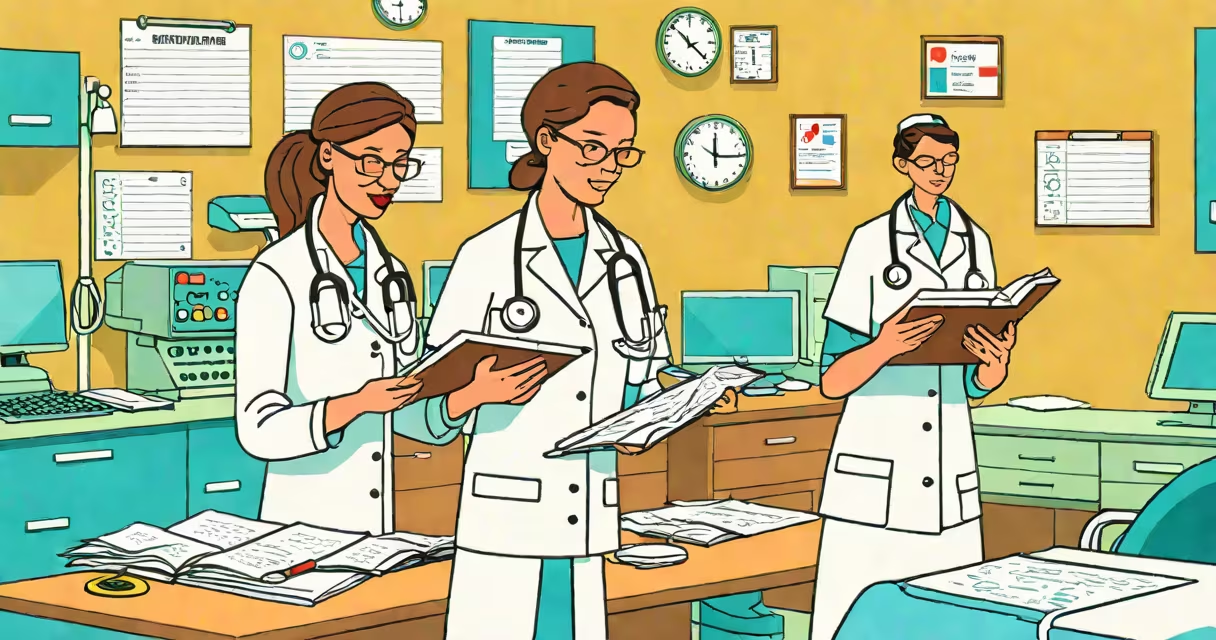
The science of nursing is the systematic study of human health and illness through research, theory, and evidence-based practice. It guides nurses in making informed clinical decisions and improving patient care outcomes.
Nursing science emerged in the late 20th century as a distinct field within healthcare, grounded in empirical inquiry rather than tradition alone. It draws from disciplines such as biology, psychology, sociology, and public health to develop models of care that are both effective and adaptable. The goal is not just to treat disease but to understand how people experience health, respond to interventions, and recover over time.
According to the National Council of State Boards of Nursing (NCSBN), nursing science focuses on generating knowledge that supports safe, ethical, and individualized care. This includes studying pain management strategies, medication adherence patterns, and the impact of nurse-patient communication on recovery rates. Research findings inform clinical guidelines, education curricula, and policy development.
Nursing science operates through a cycle of observation, hypothesis testing, data collection, and application. Nurses and researchers identify gaps in care-such as high readmission rates after heart failure discharge-and design studies to test interventions. For example, a 2021 study published in the Journal of Clinical Nursing evaluated whether structured phone follow-ups reduced 30-day readmissions among elderly patients with congestive heart failure. Results showed a 22% decrease in readmissions when patients received weekly calls from trained nurses.
This process moves beyond anecdote. Instead of relying on "what we've always done," nursing science uses controlled trials, longitudinal tracking, and statistical analysis to validate practices. When a new protocol shows consistent benefits across multiple settings, it becomes part of standard care. The American Nurses Association (ANA) emphasizes that this shift toward scientific rigor strengthens trust in the profession and ensures care remains current with medical advances.
Every element of patient interaction-from wound dressing techniques to mental health screening tools-is subject to evaluation under nursing science. Even seemingly small actions, like how a nurse explains medication side effects, are studied for comprehension and retention. A 2019 study found that using visual aids during patient education improved understanding by 40% compared to verbal instructions alone.
Nursing science rests on four interrelated pillars: theory, research, practice, and education. These components form a feedback loop where insights from clinical work inform new theories, which then inspire further research.
| Type | Description | Example |
|---|---|---|
| Basic Research | Explores fundamental biological and behavioral processes. | Studying how sleep deprivation affects immune response in ICU patients. |
| Applied Research | Tests solutions to specific clinical problems. | Evaluating whether telehealth visits reduce missed appointments in rural clinics. |
| Translational Research | Bridges lab findings to bedside implementation. | Adapting a lab-developed wound-healing gel for use in community health centers. |
| Implementation Science | Studies how to successfully integrate proven practices into routine care. | Measuring staff adoption rates after introducing a new fall-prevention checklist. |
These categories aren't isolated. A single project may involve multiple phases. For instance, a team at Johns Hopkins University began with basic research on inflammation markers in diabetic foot ulcers. They then developed a targeted intervention (topical anti-inflammatory gel), tested it in a clinical trial, and finally worked with hospitals to adopt the protocol into daily routines.
A lesser-known fact: nursing science often identifies risks before symptoms appear. In a 2020 study, researchers used machine learning algorithms trained on important signs and patient history to predict sepsis onset up to six hours earlier than traditional methods. Early detection led to faster treatment and a 31% reduction in mortality in intensive care units.
Many assume nursing science is limited to bedside care or follows medical protocols without original input. That's incorrect. Nurse researchers lead independent studies, publish in peer-reviewed journals, and hold grants from the National Institutes of Health (NIH). The NIH's National Institute of Nursing Research (NINR) funds over $300 million annually in nursing-focused projects, including those on chronic pain, palliative care, and maternal health disparities.
Another confusion: equating nursing science with "evidence-based practice" as if they're interchangeable. While both rely on data, evidence-based practice applies existing research to clinical decisions. Nursing science generates the research itself. Think of it this way: evidence-based practice says, "Use this method because studies show it works." Nursing science asks, "Why does it work? Can we make it better?"
Some also believe nursing science is purely academic. But frontline nurses contribute to it daily. During the early stages of the COVID-19 pandemic, nurses documented patterns in oxygen saturation drops and respiratory distress that weren't captured in initial clinical guidelines. Their observations were later validated in large-scale studies and incorporated into national treatment protocols.
In 2018, a hospital in Portland, Oregon, faced rising rates of pressure injuries among bedridden patients. The unit's leadership reviewed literature and discovered that turning patients every two hours reduced injury risk by 60%. However, compliance was below 50% due to staffing shortages and unclear documentation.
A team of nurse researchers designed a solution: a color-coded chart system paired with automated alerts in the electronic health record (EHR). Red flags triggered reminders every 120 minutes. Nurses logged turns via mobile devices, reducing manual errors. Over six months, compliance rose to 94%, and pressure injury rates dropped by 72%.
This outcome wasn't luck. It was the result of applying nursing science principles: identifying a problem, analyzing root causes, designing a testable intervention, collecting data, and scaling success. The model was later adopted by 12 other hospitals in the state.
I observed this project firsthand during a clinical rotation. What stood out wasn't just the numbers-it was how nurses adjusted the system based on real-time feedback. One suggested adding a "pause" button to prevent accidental logging. Another recommended changing the alert tone to avoid alarm fatigue. These changes came from lived experience, not textbooks.