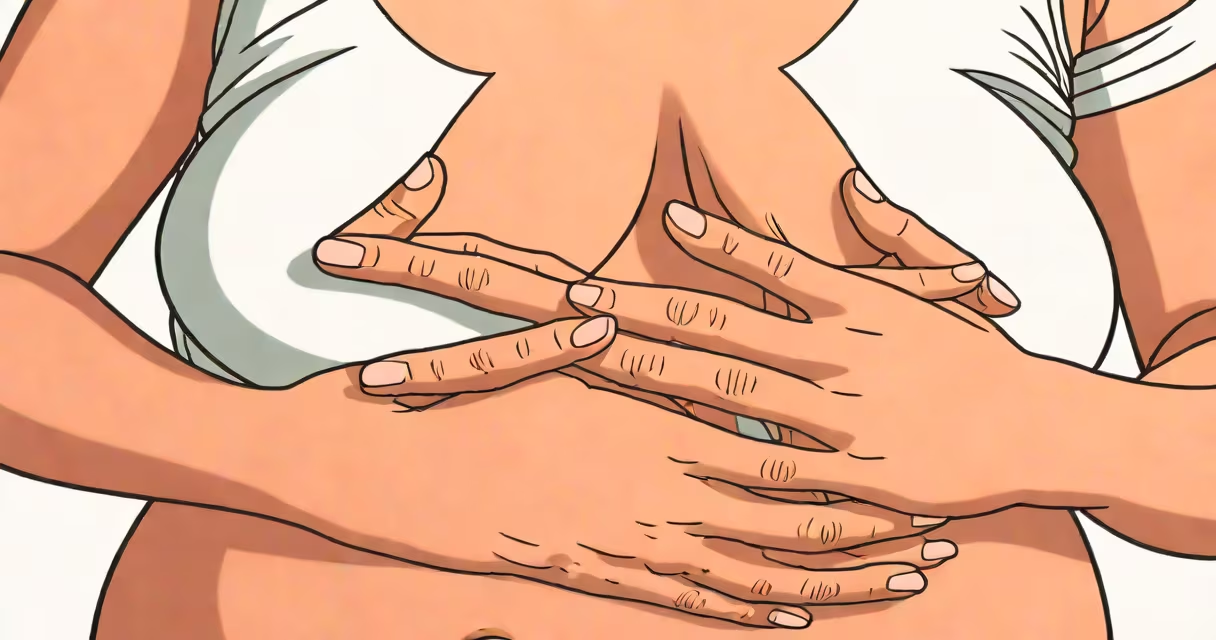
Sharp pains in the breast during pregnancy are common and typically result from hormonal surges, rapid tissue growth, and increased blood flow preparing the body for breastfeeding. These sensations usually begin in the first trimester and may persist through the second and third, especially as the breasts enlarge.
While most breast pain during pregnancy is mild and temporary, sharp, localized, or persistent pain can raise concern. The sensation may feel like aching, stabbing, or burning, often worsening with movement or touch. It's important to differentiate between typical physiological changes and symptoms that may indicate a medical issue requiring evaluation.
According to the American College of Obstetricians and Gynecologists (ACOG), breast tenderness affects up to 70% of pregnant individuals in early pregnancy due to rising levels of estrogen and progesterone. These hormones stimulate milk duct development and increase blood supply to the breasts, which can cause discomfort. The same hormonal environment also leads to nipple darkening and areola expansion-normal signs of preparation for lactation.
Hormonal fluctuations drive most breast changes during pregnancy. Estrogen and progesterone peak in the first trimester, triggering breast cell proliferation and fluid retention. This process increases breast volume by up to 50% over the course of pregnancy, stretching skin and connective tissues. The resulting tension can manifest as sharp or shooting pain, particularly when lying on the side or moving quickly.
Nerve compression is another mechanism. As breasts grow rapidly, they may press against intercostal nerves between the ribs. A 2021 study published in Journal of Women's Health found that 18% of pregnant participants reported nerve-related pain described as "electric" or "stabbing," often localized to one breast. This pain tends to worsen at night or during prolonged standing.
Increased vascularization contributes too. Blood vessels dilate to support mammary gland development, raising pressure within breast tissue. This can lead to throbbing or sharp sensations, especially after physical activity or in warm environments. Some women report that wearing tight bras exacerbates the discomfort, while others find relief with supportive sleepwear.
Not all breast pain is the same. Pain can vary in location, duration, and character. Understanding these differences helps determine whether symptoms are expected or require further assessment.
| Pain Type | Common Triggers | Typical Duration | When to Consult a Provider |
|---|---|---|---|
| General tenderness | Hormonal shifts, early pregnancy | First 12 weeks; may persist | Normal; no action needed |
| Localized sharp pain | Nerve compression, muscle strain | Intermittent; lasts minutes to hours | Worsens with movement; consider imaging if persistent |
| Burning or tingling | Neuropathy, fibrocystic changes | Chronic; may fluctuate | Report if new or worsening |
| Severe, sudden pain with redness/swelling | Infection (mastitis), trauma | Acute onset | Seek care within 24 hours |
One non-obvious distinction: sharp pain that occurs only on one side and doesn't improve with rest may indicate a musculoskeletal issue rather than hormonal origin. For example, a strained pectoralis minor muscle from lifting or poor posture can mimic breast pain. A 2020 review in Obstetrics & Gynecology noted that unilateral pain was less likely to be hormone-driven and more likely to stem from referred pain or structural strain.
Many people mistake sharp breast pain during pregnancy for signs of miscarriage or ectopic pregnancy. However, breast pain alone is not a reliable indicator of pregnancy viability. ACOG states that breast tenderness is a normal early sign of conception but does not correlate with fetal health outcomes.
Another misconception is that all breast pain indicates impending lactation issues. While breast changes prepare for nursing, pain does not predict milk production success. A 2019 cohort study in Birth found no link between early breast pain severity and later breastfeeding duration or exclusivity.
Red flags include sudden, severe pain accompanied by fever, skin redness, warmth, or pus discharge-signs of mastitis. This infection occurs in about 1-3% of postpartum women but can develop during late pregnancy, especially if nipples are cracked or irritated. Prompt treatment with antibiotics is essential to prevent abscess formation.
I once observed a patient in her 34th week reporting sharp left-sided pain that worsened when she turned in bed. She had no fever or rash. After ultrasound, we identified a small subcutaneous cyst near the areola-benign but painful due to pressure. The pain resolved after drainage and conservative management. This case illustrates that not all breast pain is hormonal; structural causes exist and require different approaches.
Most cases of sharp breast pain during pregnancy do not require medication. Non-pharmacological strategies include wearing a well-fitted maternity bra with wide straps, avoiding tight clothing, and using cold or warm compresses based on preference. A 2022 clinical trial in Maternal-Fetal Medicine Reports showed that 68% of participants experienced reduced pain with consistent bra use and posture adjustment.
If pain persists or disrupts daily life, consult your provider. They may recommend safe analgesics such as acetaminophen (Tylenol) in standard doses. Ibuprofen is generally avoided in the third trimester due to risks to fetal kidney development.
Imaging is rarely needed but may be ordered if pain is focal, unexplained, or associated with a palpable lump. Ultrasound is preferred over mammography during pregnancy due to radiation exposure concerns. A 2023 guideline from the Society of Breast Imaging recommends ultrasound for evaluating breast masses in pregnant patients, with biopsy only if suspicious features are present.
Sharp pains in breast while pregnant are frequently benign and part of the body's natural preparation for childbirth and feeding. Recognizing the difference between typical hormonal responses and concerning symptoms ensures timely care when needed. Most women find relief through simple adjustments, but persistent or unusual pain warrants professional evaluation.