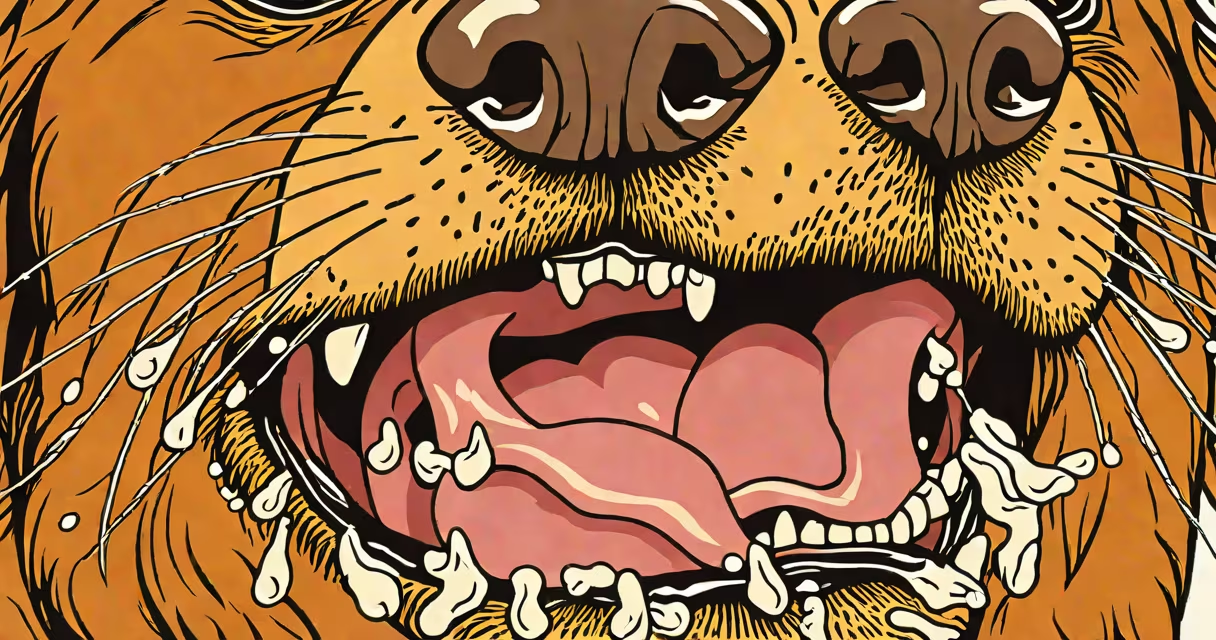
When your dog's breath smells like feces, it indicates a medical condition requiring prompt attention. This odor often stems from bacterial overgrowth in the mouth, advanced periodontal disease, or systemic issues like kidney failure or gastrointestinal disorders.
Bad breath in dogs isn't normal. While mild odors can result from food particles or poor dental hygiene, a fecal-like smell suggests deeper problems. The smell arises from volatile sulfur compounds produced by anaerobic bacteria in the oral cavity or from toxins accumulating due to organ dysfunction.
According to the American Veterinary Dental College, untreated periodontal disease affects over 80% of dogs by age three. When gum tissue recedes and pockets form, bacteria thrive in these anaerobic zones, producing gases like hydrogen sulfide-same compound responsible for rotten egg and fecal odors.
Bacteria in a dog's mouth feed on food debris and dead cells. As they metabolize proteins, they release sulfur-containing byproducts. These compounds escape through the mouth and are detectable as offensive odors. In healthy mouths, saliva and natural cleaning mechanisms keep bacterial levels balanced.
When plaque builds up, it hardens into tartar. Tartar provides a stable surface for bacteria to colonize. As the infection spreads below the gumline, it triggers inflammation and tissue breakdown. Pockets deepen, allowing more bacteria to grow and produce increasingly potent odors.
A 2021 study published in the Journal of Veterinary Dentistry found that dogs with severe periodontitis had higher levels of volatile sulfur compounds in their breath compared to controls. The study linked breath odor intensity directly to gingival recession depth and subgingival bacterial load.
The most frequent reasons for fecal-smelling breath in dogs fall into three categories: oral disease, systemic illness, and dietary factors.
| Type | Key Cause | Signs Beyond Bad Breath | Prevalence |
|---|---|---|---|
| Severe Periodontal Disease | Tartar accumulation, gum recession, tooth loss | Pain when eating, pawing at mouth, drooling | Over 80% of dogs over age 3 |
| Kidney Failure | Uremia from toxin buildup | Lethargy, vomiting, increased thirst/urination | 10-15% of senior dogs |
| Gastrointestinal Issues | Intestinal obstruction, chronic diarrhea, malabsorption | Weight loss, bloating, blood in stool | Varies by breed and diet |
One non-obvious factor is the role of gut microbiome imbalance. A 2023 study in Frontiers in Microbiology showed that dogs with altered gut flora-especially those with reduced diversity of beneficial bacteria-exhibited higher levels of intestinal gas containing sulfur compounds. These gases can travel backward through the esophagus, contributing to breath odor.
I once observed a 7-year-old Labrador with persistent fecal-smelling breath. Despite daily brushing, the odor worsened. A vet exam revealed severe periodontal disease and a fractured molar with exposed pulp. After extraction and professional cleaning, the breath improved within 48 hours. The dog's owner reported a noticeable increase in energy and appetite afterward.
Many assume bad breath is just "normal" for dogs. That's false. While some odor is expected, a fecal-like smell is not. It's not caused by eating garbage or rawhide chew toys alone. Those may contribute to mild odors, but not the distinct, pungent stench of feces.
Another misconception is that fresh breath means a healthy mouth. This is incorrect. Dogs can have severe gum disease with minimal visible symptoms until significant damage occurs. By then, the infection has spread to the jawbone and bloodstream.
Some owners confuse this with burping or flatulence. If your dog's burps smell like poop, it's likely due to gastrointestinal fermentation or small intestinal bacterial overgrowth (SIBO). However, breath smelling like poop points to either oral pathology or systemic disease. The two conditions require different diagnostic paths.
If your dog's breath consistently smells like feces, schedule a veterinary visit within 48 hours. Delaying care increases the risk of irreversible damage.
Begin with a physical exam. The vet will check for loose teeth, swollen gums, or facial swelling. They'll likely recommend blood work (CBC, chemistry panel) and urinalysis to assess kidney and liver function. A full-mouth dental X-ray is essential-60% of tooth decay occurs beneath the gumline and is invisible to the naked eye.
For suspected kidney failure, elevated creatinine and BUN levels above 2.5 mg/dL and 25 mg/dL respectively indicate concern. The American Society for the Prevention of Cruelty to Animals (ASPCA) notes that early detection improves survival rates by 40% in affected dogs.
At home, avoid feeding table scraps or high-carbohydrate treats. Switch to dental chews approved by the Veterinary Oral Health Council (VOHC). Brush your dog's teeth daily using a soft-bristled brush and enzymatic toothpaste designed for canines. Never use human toothpaste-it contains xylitol, which is toxic to dogs.
After treatment, monitor breath odor weekly. If it returns, revisit the vet. Chronic issues may require ongoing management, such as antibiotics, specialized diets, or regular dental cleanings under anesthesia.