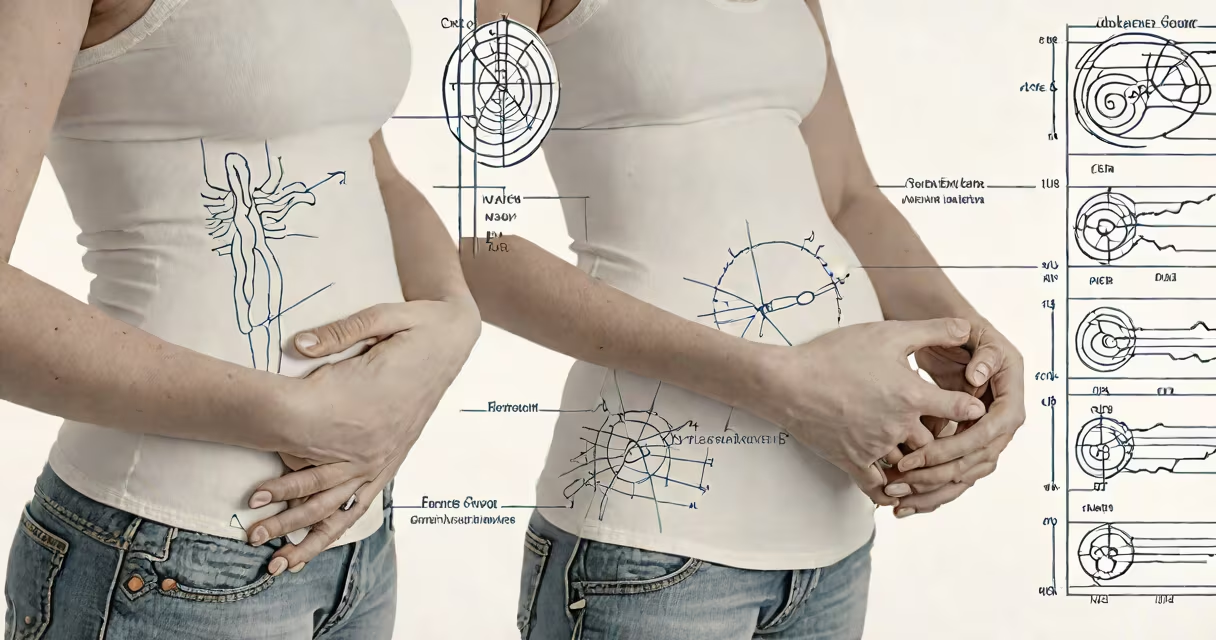
Stabbing pain during period refers to sharp, intermittent cramping or stabbing sensations in the lower abdomen that occur around menstruation. This type of pain may stem from uterine contractions, hormonal shifts, or underlying conditions like endometriosis. It differs from dull, constant cramps and often feels localized rather than diffuse.
Menstrual cycles involve complex hormone changes. Prostaglandins-hormone-like substances released during shedding of the uterine lining-trigger strong contractions in the uterus. These contractions can compress blood vessels, reducing oxygen flow and causing ischemic pain. When prostaglandin levels spike, especially around ovulation or early menstruation, they can produce intense, stabbing sensations that last minutes to hours.
Not all stabbing pain is normal. Persistent or worsening episodes may indicate endometriosis, adenomyosis, or pelvic inflammatory disease. The American College of Obstetricians and Gynecologists (ACOG) notes that severe pain disrupting daily life warrants evaluation. Pain that occurs outside the typical menstrual window or radiates to the lower back or thighs is less likely to be routine.
Stabbing pain contrasts with dull, throbbing, or aching cramps. Dull pain often spreads across the lower abdomen and persists throughout the period. Stabbing pain tends to come in bursts-like a quick pinch or jolt-and may shift location. It's frequently described as "electric" or "knife-like."
Some women report stabbing pain specifically around ovulation, which occurs mid-cycle. This is called mittelschmerz-a German term meaning "middle pain." It affects about 20% of people with ovaries, according to the National Institutes of Health (NIH). Mittelschmerz typically lasts 12 to 48 hours and may be accompanied by mild spotting or bloating.
A key distinction: stabbing pain during period usually begins with or shortly after bleeding starts. If pain appears days before menstruation or continues past the end of the period, it may not be related to menstruation itself. For example, pain that worsens during urination may point to interstitial cystitis or a urinary tract infection, not menstrual cramps.
Primary dysmenorrhea-pain caused by natural uterine contractions-is common and often improves with age or after childbirth. Secondary dysmenorrhea results from an underlying condition. Endometriosis, where tissue similar to the uterine lining grows outside the uterus, is a leading cause of stabbing pain. It affects roughly 10% of reproductive-age individuals, per ACOG.
Adenomyosis-where endometrial tissue invades the uterine muscle wall-can also cause sharp, localized pain. Unlike endometriosis, it often presents with heavy periods and a swollen uterus. Imaging and laparoscopy confirm diagnosis. Both conditions may lead to infertility if untreated.
Red flags include pain that prevents work or school, requires opioid medication, or occurs with fever, unusual discharge, or pain during sex. These suggest infection or structural issues needing prompt care. A study in Obstetrics & Gynecology found that 60% of patients with endometriosis waited over two years for diagnosis-often due to misattribution of symptoms to "normal" period pain.
Over-the-counter NSAIDs like ibuprofen reduce prostaglandin production and relieve stabbing pain in 70% of users, according to a 2021 review in The Journal of Family Practice. Taking them at the first sign of pain-ideally before bleeding starts-improves effectiveness. Heat therapy applied to the lower abdomen also reduces muscle tension and improves blood flow.
Lifestyle adjustments help. Regular aerobic exercise lowers prostaglandin levels over time. A 2019 randomized trial showed participants who exercised 30 minutes three times weekly reported 35% less menstrual pain. Dietary changes, such as increasing omega-3 intake and reducing trans fats, may also modulate inflammation.
For persistent stabbing pain, providers may prescribe hormonal birth control to suppress ovulation and reduce endometrial activity. Combined oral contraceptives, patches, or intrauterine devices (IUDs) containing progestin are effective. A 2020 study in Human Reproduction found that 80% of women with endometriosis experienced reduced pain after six months of continuous birth control use.
When pain doesn't improve with standard treatment, imaging or laparoscopy may be needed. Laparoscopy allows direct visualization of pelvic organs and biopsy of suspicious tissue. It remains the gold standard for diagnosing endometriosis.
Many assume stabbing pain during period is just "bad cramps" and will resolve on its own. But research shows that untreated secondary dysmenorrhea leads to chronic pain and reduced quality of life. Ignoring severe pain increases risk of delayed diagnosis and complications.
Another misconception: that stabbing pain only happens during bleeding. Some women experience it during ovulation, which occurs mid-cycle-not during menstruation. Confusing the timing can delay proper evaluation. For example, a woman reporting "period pain" at day 14 of her cycle may actually have mittelschmerz, not menstrual cramps.
Also, stabbing pain is not always linked to the uterus. Conditions like irritable bowel syndrome (IBS) can mimic menstrual pain. Abdominal pain that worsens after eating or changes with bowel movements may stem from gastrointestinal issues. A 2022 study in Pain Medicine found that 30% of women with severe menstrual pain had overlapping IBS symptoms.
Sarah, 24, reported sharp, left-sided stabbing pain lasting 15 minutes every month for two years. She assumed it was normal until the pain began interfering with her job. Her doctor initially prescribed ibuprofen, which helped partially. After three months of worsening episodes, she underwent an ultrasound, which revealed a 3cm ovarian cyst. The cyst was not cancerous but caused referred pain to the lower abdomen. Removal via laparoscopy resolved the stabbing episodes. Her case highlights that not all stabbing pain originates in the uterus.
| Type | Onset | Duration | Common Triggers | Typical Location |
|---|---|---|---|---|
| Dull cramps | Starts with bleeding | 2-5 days | Prostaglandin surge | Lower abdomen, radiates to back/thighs |
| Stabbing pain | Intermittent, sudden onset | Seconds to minutes | Ovulation, endometriosis, ovarian cysts | Localized, often one side |
| Mittelschmerz | Mid-cycle (day 10-16) | 12-48 hours | Ovulation release | One side, may shift |
I've seen patients describe stabbing pain as "like a needle," "a flash of electricity," or "someone poking me inside." These descriptions align with nerve-related pain patterns. The nervous system can amplify pain signals in sensitive individuals. Chronic pain may involve central sensitization-where the brain and spinal cord become hyper-responsive to stimuli-even after the original injury heals.
Understanding stabbing pain during period isn't about dismissing discomfort. It's about recognizing when it's a warning sign. Early intervention reduces long-term impact. If pain disrupts sleep, work, or social activities, consult a healthcare provider. Don't accept "this is just how periods are."
Stabbing pain during period is not a universal experience. It's a symptom with identifiable origins. Knowing the difference between normal and concerning pain empowers informed decisions about care.