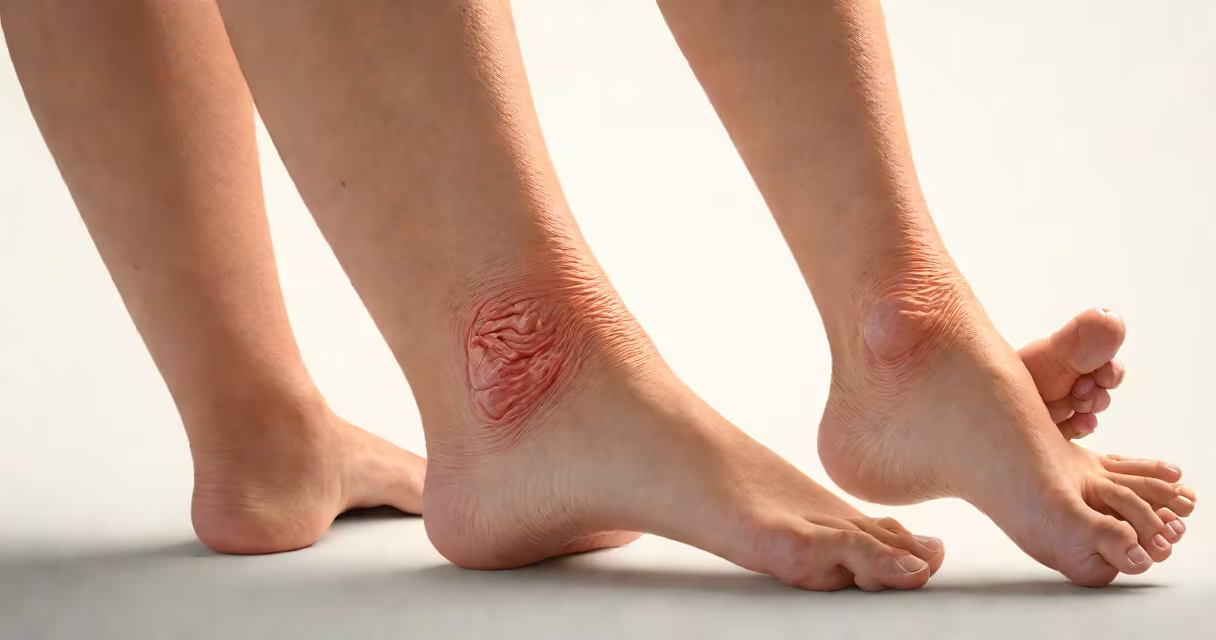
Sudden swelling in leg is rapid fluid accumulation in the tissues of the lower limb, often appearing within hours. It may indicate a serious underlying condition such as deep vein thrombosis (DVT), heart failure, or infection. Prompt medical evaluation is essential to rule out life-threatening causes.
This condition results from disrupted fluid balance in the vascular system. Normally, fluid moves between blood vessels and surrounding tissues through capillary walls. When this process fails-due to increased pressure, damaged valves, or blocked flow-fluid leaks into the interstitial space, causing visible enlargement. Swelling typically affects one leg, though bilateral cases occur in systemic diseases.
Swelling confined to the foot or ankle may stem from venous insufficiency or prolonged standing. But sudden onset in a single limb demands immediate attention. The American Heart Association notes that unilateral leg swelling increases the likelihood of DVT by 60% compared to bilateral cases, highlighting the urgency of differential diagnosis.
Fluid buildup begins when capillary pressure exceeds oncotic pressure. This imbalance forces plasma into tissues. Common triggers include blood clots, inflammation, trauma, or organ dysfunction. For example, a clot in the femoral vein obstructs venous return, raising pressure downstream and driving fluid into the calf and foot.
Signs progress rapidly. A patient may notice their shoe feels tight, socks leave indentations, or the skin appears stretched and shiny. Pitting edema-where pressing the skin leaves a temporary dent-is a key physical sign. It suggests significant fluid retention and warrants diagnostic imaging.
One case documented in the Journal of Vascular Surgery involved a 54-year-old woman who developed severe swelling in her left leg after a 12-hour flight. She reported pain and warmth. Doppler ultrasound confirmed a proximal DVT. Treatment with anticoagulants reduced swelling within 72 hours. This illustrates how travel-related immobility can trigger clot formation and sudden swelling.
Causes fall into three categories: vascular, cardiac, and inflammatory. Vascular causes include DVT and venous insufficiency. Cardiac causes involve heart failure or low cardiac output. Inflammatory causes range from cellulitis to gout flare-ups.
| Type | Key Features | Diagnostic Clues |
|---|---|---|
| DVT | Unilateral, painful, warm, red | Pitting edema, Homan's sign positive (rarely used) |
| Heart failure | Bilateral, progressive, associated with shortness of breath | Orthopnea, elevated JVP, crackles on lung exam |
| Cellulitis | Red, hot, tender skin; fever common | Spreading erythema, lymphangitic streaks |
| Post-traumatic | History of injury, bruising, limited mobility | Swelling localized to injury site |
One overlooked cause is medication-induced edema. Drugs like calcium channel blockers (e.g., amlodipine) and NSAIDs increase capillary permeability. A 2021 study in Pharmacotherapy found that 12% of patients on long-term amlodipine developed new-onset leg swelling, often misattributed to aging or weight gain.
Many assume sudden swelling is due to poor circulation or "just" being overweight. But weight gain rarely causes acute unilateral swelling. Distinguishing between peripheral edema and lymphedema is critical. Lymphedema develops slowly over months and lacks redness or warmth.
Another error is dismissing swelling as harmless if it improves overnight. However, DVT can progress silently. The risk of pulmonary embolism rises sharply within 7 days of symptom onset. The CDC reports that nearly 1 in 5 DVT cases leads to PE, which kills about 100,000 people annually in the U.S.
I once observed a patient with sudden right-leg swelling who denied pain. He had a history of diabetes and wore compression stockings. On examination, the skin was cool and pale. Ultrasound revealed a non-occlusive clot. He was admitted and treated with rivaroxaban. His swelling resolved in five days. This case underscores that absence of pain doesn't rule out pathology.
Any sudden swelling with pain, redness, or warmth requires evaluation within 24 hours. Bilateral swelling with fatigue, shortness of breath, or orthopnea indicates possible heart failure and demands urgent assessment.
The Wells Score for DVT helps clinicians estimate probability. A score of 3 or higher suggests high risk. Criteria include active cancer, recent surgery, and swelling in one leg. If the score is high, imaging is recommended even if symptoms are mild.
Early intervention prevents complications. Delayed treatment raises the risk of post-thrombotic syndrome, chronic pain, and disability. Always treat sudden swelling in leg as a potential red flag until proven otherwise.
Sudden swelling in leg is not a minor issue. It signals a breakdown in physiological systems that can lead to irreversible damage. Recognizing the warning signs early saves time, reduces risk, and improves outcomes.