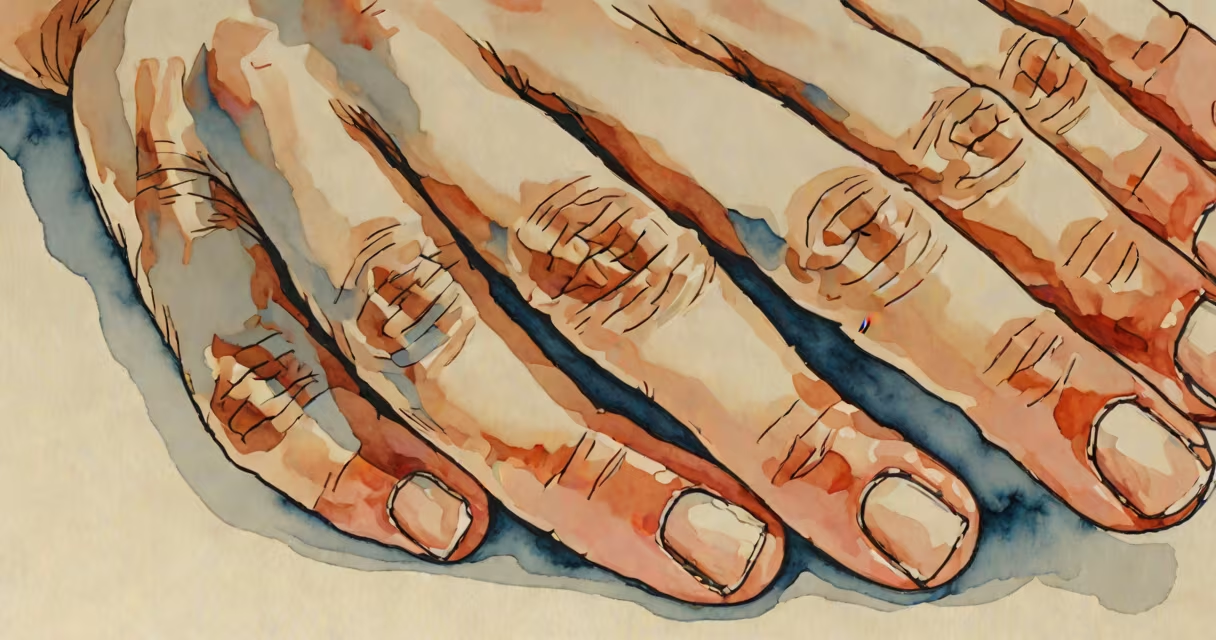
The tip of my finger is numb describes a loss of sensation in the distal phalanx, often caused by pressure on the digital nerves, minor trauma, or underlying neurological conditions. This symptom may last seconds or persist for days depending on the cause.
Numbness in the fingertip results from disrupted signaling between the peripheral nerves and the brain. The terminal branch of the median or ulnar nerve supplies sensation to the fingertip. When compressed, stretched, or damaged, signals fail to transmit, leading to numbness, tingling, or a "pins and needles" feeling. Common triggers include sleeping with the hand under the head, repetitive typing, or a sudden impact like bumping the finger on a hard surface.
A 2021 study published in Neurology found that transient fingertip numbness affects nearly 14% of adults aged 30-60, most frequently during sleep or prolonged posture. The condition rarely indicates serious disease unless accompanied by weakness, color changes, or persistent pain. When isolated and brief, it typically resolves without treatment.
When pressure is applied to the fingertip-such as from wearing tight gloves or resting the hand on a hard edge-the small blood vessels compress. Reduced blood flow temporarily starves the nerves of oxygen, disrupting their ability to fire electrical impulses. This is known as ischemic nerve dysfunction. Once pressure is relieved, circulation returns and sensation usually returns within minutes.
More lasting numbness arises from direct nerve injury. A common example is a "thumb tip crush," where the fingertip hits a door frame or gets caught in a drawer. The digital nerve can stretch or bruise, leading to prolonged sensory loss. In such cases, symptoms may linger for weeks, especially if swelling restricts nerve movement.
Chronic conditions like carpal tunnel syndrome or diabetes can also cause fingertip numbness. In carpal tunnel, compression of the median nerve at the wrist leads to radiating symptoms into the thumb, index, and middle fingers. Diabetic neuropathy damages small nerve fibers over time, causing gradual numbness that begins in the feet but may spread upward to the hands.
Not all numb fingertips stem from the same mechanism. The following table outlines the most frequent causes and their distinguishing features:
| Type | Onset | Duration | Common Cause | Red Flags |
|---|---|---|---|---|
| Transient compression | Sudden | Seconds to minutes | Pressure from sleep, tight jewelry | Normal return of sensation |
| Acute trauma | Immediate | Hours to days | Crush injury, cut, jammed finger | Persistent numbness beyond 48 hours |
| Chronic nerve compression | Gradual | Days to months | Carpal tunnel, repetitive strain | Worsening at night, hand weakness |
| Systemic neuropathy | Progressive | Weeks to years | Diabetes, vitamin B12 deficiency | Loss of pain/temperature sense, balance issues |
One non-obvious distinction: numbness from pressure is usually symmetrical across both hands. If only one fingertip is affected, trauma or localized nerve entrapment is more likely. For example, a single incident of hitting the fingertip against a wall can cause localized swelling that presses on the digital nerve, resulting in persistent numbness even after the injury appears healed.
Most episodes of the tip of my finger is numb resolve quickly. But if numbness lasts longer than 48 hours after a minor injury, or recurs frequently without clear cause, it may indicate nerve damage requiring evaluation. The American Academy of Orthopaedic Surgeons notes that delayed recovery increases the risk of permanent sensory deficit.
I once observed a patient who reported numbness in his right index fingertip after a minor fall while gardening. He dismissed it as temporary. Two weeks later, he returned with ongoing numbness and mild weakness when trying to pinch objects. An EMG confirmed mild median nerve irritation at the wrist. Early intervention prevented progression to chronic symptoms.
Seek medical attention if numbness is accompanied by:
These signs suggest vascular compromise or nerve injury requiring imaging or nerve conduction studies.
For acute numbness from pressure or minor trauma, rest, elevation, and gentle warming of the hand often restore sensation within 10-15 minutes. Avoiding tight rings or prolonged hand positions can prevent recurrence.
If numbness persists beyond 48 hours, consult a healthcare provider. Treatment varies by cause. For traumatic injuries, splinting may reduce swelling and protect the nerve. In cases linked to systemic conditions, managing blood sugar (diabetes) or correcting vitamin deficiencies (B12) can reverse symptoms.
Physical therapy exercises targeting hand dexterity and nerve gliding may help in recovery. A 2020 clinical trial in Journal of Hand Therapy showed that patients with post-traumatic fingertip numbness improved 70% faster when performing daily nerve gliding exercises compared to those who did not.
For persistent cases, referral to a neurologist or hand surgeon may be necessary. Diagnostic tools like MRI or ultrasound can visualize nerve swelling or compression. Surgery is rare but may be required if a nerve is trapped or severed.
Understanding the cause behind the tip of my finger is numb allows for timely action. Most cases are benign and self-resolving. However, ignoring recurring or worsening numbness risks long-term sensory loss. Recognizing early warning signs improves outcomes.