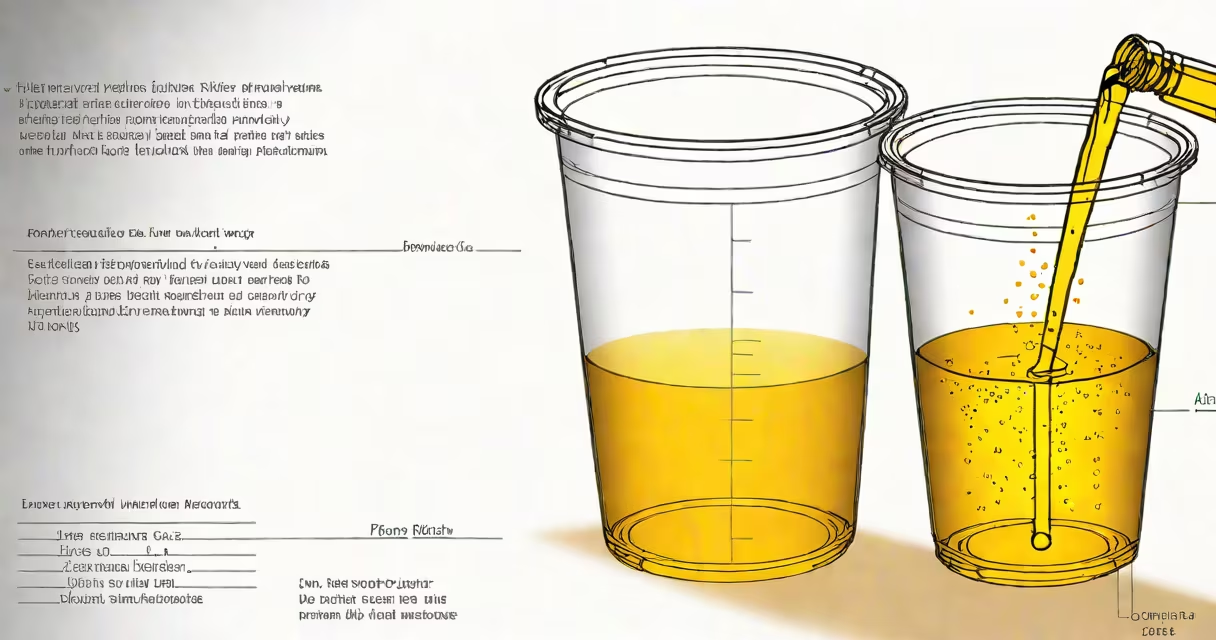
Abnormal urine smells arise from changes in concentration, diet, medications, or underlying health conditions. The most common types include sweet, fishy, ammonia-like, foul, and fruity odors, each linked to specific physiological or pathological factors.
Urine normally has a mild, slightly aromatic odor due to urea and other waste products. When the smell becomes strong or unusual, it often reflects shifts in hydration, metabolism, or organ function. A single episode of odd-smelling urine may be harmless, but persistent or recurring odors warrant attention.
Medical sources such as the Mayo Clinic and the National Institute of Diabetes and Digestive and Kidney Diseases (NIDDK) confirm that odor changes can be early indicators of infection, metabolic disorders, or dehydration. Identifying the type of smell helps narrow possible causes.
Urine forms in the kidneys by filtering blood. Waste products, excess water, and electrolytes pass through nephrons, then concentrate in the bladder. The smell emerges when compounds in urine interact with air or are broken down by bacteria.
Most volatile compounds responsible for odor come from urea breakdown into ammonia, especially when urine sits unflushed. Concentrated urine-common during dehydration-has higher levels of these compounds, intensifying the smell. For example, a person who hasn't drunk water for 12 hours may produce urine with a sharp ammonia scent.
Bacterial activity also alters odor. After urination, microbes in the urethra or on skin can ferment residual urine, producing sulfur-based compounds that smell like rotten eggs or spoiled food. This is more likely in individuals with poor hygiene or urinary tract infections (UTIs).
Understanding the distinct types of urine smells helps differentiate between benign and concerning causes. Below is a breakdown of the most frequently reported odors and their likely origins.
| Smell Type | Common Cause | Associated Condition or Factor |
|---|---|---|
| Fruity or sweet | High ketone levels | Diabetic ketoacidosis (DKA), fasting, low-carb diets |
| Fishy | Bacterial overgrowth | UTI, trimethylaminuria (fish odor syndrome) |
| Ammonia-like | Dehydration, concentrated urine | Low fluid intake, fever, prolonged retention |
| Foul or rotten | Bacterial decomposition | UTI, kidney stones, chronic urinary retention |
| Sulfur or rotten egg | Hydrogen sulfide production | Specific bacterial infections, high sulfur diet |
For example, a patient with poorly controlled type 1 diabetes may excrete urine with a noticeable sweet or fruity odor due to elevated acetone-a ketone produced during fat breakdown. According to the NIDDK, this smell appears in about 60% of DKA cases and requires immediate medical evaluation.
Another non-obvious factor: certain foods affect urine smell even without altering pH. Asparagus contains asparagusic acid, which metabolizes into volatile sulfur compounds. About 40% of people detect a strong, unpleasant odor in their urine within 15 to 30 minutes after eating asparagus, according to a study published in the journal Chemical Senses.
While occasional changes in smell are normal, consistent or worsening odors may indicate illness. A fishy smell lasting more than 48 hours, especially with cloudy urine or burning during urination, suggests a UTI. The American Urological Association notes that 75% of women with symptomatic UTIs report a noticeable change in urine odor.
Trimethylaminuria, a rare metabolic disorder, causes urine to smell strongly of rotting fish. It results from a deficiency in the enzyme flavin-containing monooxygenase 3 (FMO3), which normally breaks down trimethylamine. Symptoms usually begin in childhood and persist lifelong unless managed through dietary restriction.
A key distinction often missed: not all foul-smelling urine indicates infection. Some people with chronic kidney disease develop a musty or ammonia-heavy odor due to buildup of nitrogenous waste. The National Kidney Foundation reports that 30% of patients with stage 3 CKD notice a persistent ammonia smell in their urine.
Many assume that all strong urine smells stem from poor hygiene or dehydration. While those are frequent causes, they don't explain all cases. For instance, a sweet or fruity smell is not related to cleanliness-it's a sign of metabolic imbalance.
I once observed a patient whose urine had a persistent sweet smell despite normal blood glucose. Further testing revealed a rare genetic condition affecting ketone metabolism. The smell was subtle but unmistakable-like overripe fruit. This case underscored that odor patterns require clinical context, not just symptom checklists.
Similarly, some confuse ammonia smell with UTI. Ammonia odor increases with concentration, not necessarily infection. A person who drinks little water during a long flight may produce highly concentrated urine with a strong ammonia smell-but no infection is present.
Consult a healthcare provider if you notice:
Testing typically includes a urinalysis and possibly blood work. A doctor may also recommend a urine culture if infection is suspected. Early detection prevents complications such as kidney damage or sepsis.
Recognizing the types of urine smells is the first step toward understanding your body's signals. Not all odors are harmful, but knowing what's normal and what's not helps you act quickly when needed.