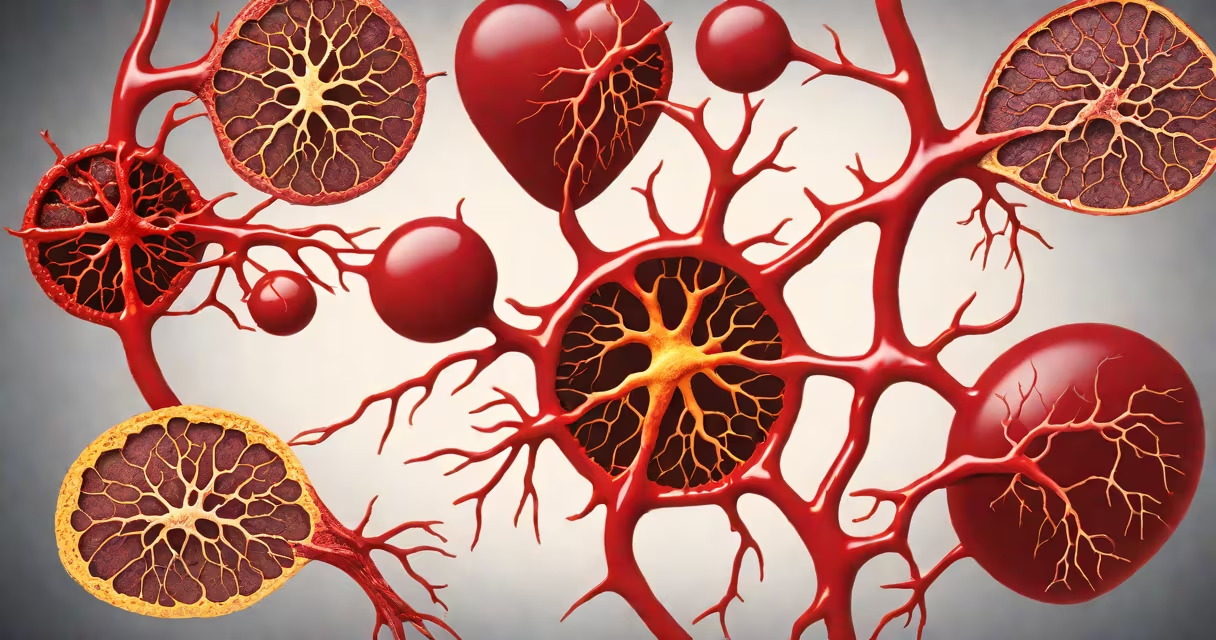
Circulatory system diseases are disorders that impair blood flow through veins, arteries, and capillaries, leading to oxygen deprivation in tissues. These conditions affect the heart, blood vessels, and blood itself, often resulting in heart attacks, strokes, or organ failure.
The circulatory system delivers oxygen and nutrients to cells while removing waste. When this network fails-due to blockages, weakened walls, or abnormal clotting-tissues suffer. The most common culprits include atherosclerosis, hypertension, and arrhythmias. These diseases account for nearly half of all global deaths annually, according to the World Health Organization.
Damage typically begins with endothelial dysfunction-the inner lining of blood vessels deteriorates due to high cholesterol, smoking, or diabetes. Over time, plaque builds up in arteries, narrowing them. This process, known as atherogenesis, increases the risk of acute events like myocardial infarction or ischemic stroke.
Diseases of the circulatory system stem from chronic stress on blood vessels and the heart. Risk factors include elevated LDL cholesterol, insulin resistance, physical inactivity, and genetic predisposition. Once damage starts, inflammation accelerates plaque formation.
For example, a 52-year-old man with untreated high blood pressure may develop left ventricular hypertrophy-a thickening of the heart's main pumping chamber. This reduces cardiac efficiency, increasing strain during exertion. Without intervention, he risks sudden cardiac death or heart failure.
Research from the American Heart Association shows that 60% of people with uncontrolled hypertension develop structural heart changes within 10 years. Early detection through routine blood pressure checks and echocardiograms can prevent irreversible damage.
These conditions fall into four primary categories based on affected components:
| Type | Examples | Key Mechanism | Prevalence (US) |
|---|---|---|---|
| Coronary Disorders | Coronary artery disease, angina, myocardial infarction | Plaque blocks coronary arteries, reducing blood flow to heart muscle | ~19 million adults |
| Vascular Conditions | Peripheral artery disease, aneurysms, deep vein thrombosis | Narrowed or ruptured vessels limit circulation to limbs or organs | ~12 million adults |
| Heart Rhythm Disorders | Atrial fibrillation, ventricular tachycardia | Electrical signals misfire, causing irregular heartbeat | ~6 million adults |
| Blood Disorders | Anemia, polycythemia, hypercoagulable states | Abnormal blood composition impairs oxygen delivery or increases clotting risk | Varies by condition |
Each category reflects distinct pathophysiology. Coronary artery disease involves gradual narrowing of the arteries supplying the heart. Peripheral artery disease affects lower limb blood flow, often causing leg pain during walking-a symptom called claudication. Aneurysms occur when vessel walls weaken and balloon outward, risking rupture.
Non-obvious fact: Not all heart attacks involve chest pain. Up to 30% of women report fatigue, nausea, or shortness of breath instead. This misperception contributes to delayed treatment and higher mortality rates among female patients.
Many confuse circulatory system diseases with general "heart problems." But circulatory issues extend beyond the heart. For instance, pulmonary embolism-a blood clot in the lungs-is a circulatory disorder, not a cardiac event, though it causes similar symptoms like chest tightness and rapid breathing.
Another frequent error is equating high blood pressure with immediate danger. Hypertension is often asymptomatic. It silently damages arteries over decades. The U.S. Centers for Disease Control and Prevention reports that only about 25% of Americans with hypertension have it under control.
People also assume that exercise alone prevents heart disease. While physical activity reduces risk, it doesn't eliminate it. A 2021 study in JAMA Cardiology found that even highly active individuals with high cholesterol still face elevated risk of coronary events.
In 2019, a 58-year-old woman presented with persistent fatigue and mild dizziness. Her resting ECG showed no abnormalities. She had normal blood pressure and cholesterol levels. However, a stress test revealed significant reduction in blood flow to the anterior wall of her heart.
Angiography confirmed a 70% blockage in her left anterior descending artery. She underwent percutaneous coronary intervention (PCI)-a stent was placed to restore flow. Post-procedure, her energy levels returned to baseline.
This case illustrates that circulatory system diseases can progress without classic warning signs. Routine screening, especially for those with family history, is critical. The American College of Cardiology recommends screening for coronary artery disease in men over 45 and women over 55 with two or more risk factors.
Recognizing the spectrum of circulatory system diseases enables early diagnosis and targeted prevention. Lifestyle changes-such as quitting smoking, adopting a Mediterranean diet, and exercising 150 minutes weekly-can reduce risk by up to 50%, per research published in The Lancet.
Early intervention prevents complications. For example, treating hypertension before it leads to left ventricular hypertrophy can preserve heart function for decades. Identifying silent ischemia through stress testing saves lives.
Understanding what are the disease of circulatory system isn't just medical literacy-it's survival knowledge. These conditions don't announce themselves. They grow quietly, then strike. Awareness, screening, and timely care are the only defenses.
For more on how heart disease impacts the body's systems, explore the interconnected roles of the circulatory and nervous systems.