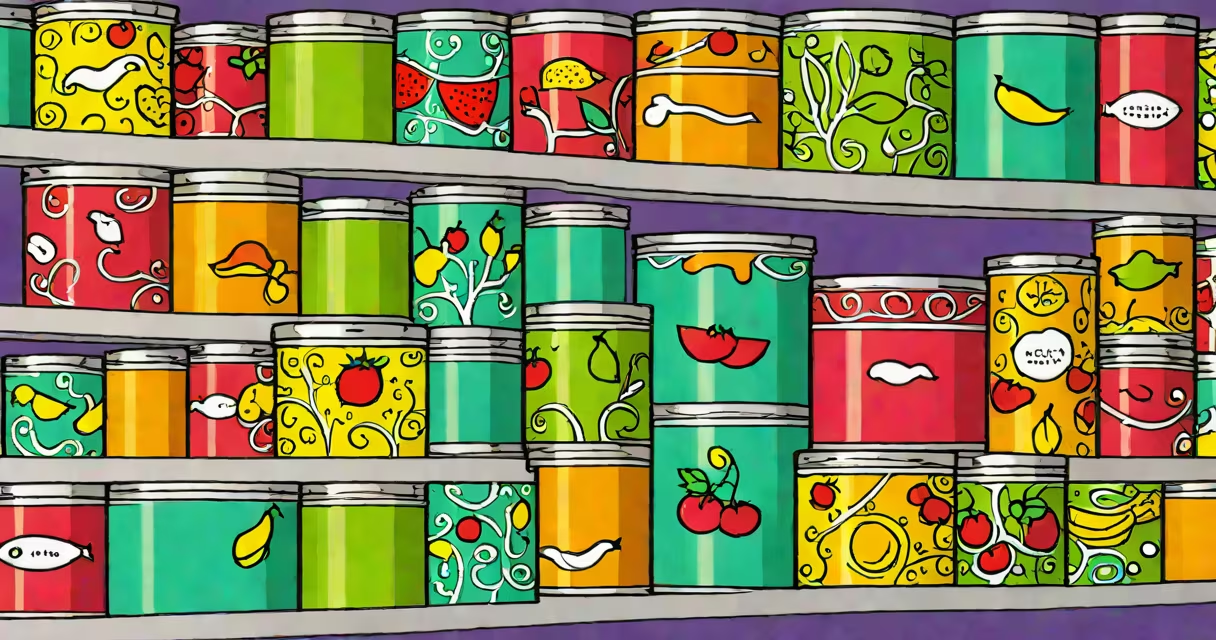
Tins are rigid, usually cylindrical or rectangular metal containers used for storing food, packaging consumer goods, or serving as craft supplies. They are typically made from steel coated with tin (tinplate) or aluminum, offering durability and resistance to corrosion.
These containers form the basis of modern food preservation. A tin can holds beans, soup, or tuna, while a small tin stores spices or tea. Industrial tins protect electronics, cosmetics, and hardware. Crafters repurpose them into organizers, planters, or decorative boxes. The term "tin" persists even when the material is aluminum or steel, reflecting historical usage.
Manufacturers produce tins through stamping and deep-drawing processes. The lid is sealed using a crimped edge or soldered seam. Internal linings-often epoxy or polymer coatings-prevent metal from reacting with acidic contents. This ensures safety and extends shelf life. Tins are recyclable, with aluminum tins achieving up to 95% recovery in industrial systems.
Tins function by creating a barrier between contents and environment. Their sealed construction blocks oxygen, moisture, and microbes. This prevents spoilage and maintains flavor and texture. A vacuum seal in canned goods further reduces microbial growth, allowing unopened tins to last years without refrigeration.
The sealing process begins with filling the container. For food, this happens at high speed in automated lines. After filling, the lid is placed and crimped shut. A double seam forms under pressure, ensuring no gaps. The sealed tin then undergoes sterilization-either by heating or irradiation-to eliminate pathogens. Once cooled, it's labeled and shipped.
For non-food uses, tins may lack internal linings. A cosmetic tin holds lip balm or face powder without needing protection from reaction. These are often stamped with designs or embossed logos. Some tins feature pull-tabs or easy-open lids, improving access without tools.
Tins come in multiple forms based on material, size, and purpose. The most common are steel-based (tinplate) and aluminum. Steel tins offer strength and lower cost, ideal for bulk food packaging. Aluminum tins are lighter and resist rust, making them suitable for travel-sized products.
| Type | Material | Common Uses | Pros | Cons |
|---|---|---|---|---|
| Food-grade tinplate | Steel with tin coating | Canned vegetables, soups, meats | Durable, low-cost, recyclable | Can corrode if lining fails |
| Aluminum tins | Aluminum alloy | Tea, coffee, cosmetics, snacks | Lightweight, rust-resistant, easy to form | More expensive, less impact-resistant |
| Decorative tins | Steel or aluminum | Gift packaging, crafts, storage | Customizable, attractive finishes | Not food-safe unless lined |
Some tins have specialized features. Vacuum-sealed tins preserve dry goods like dried fruit or dog treats. Double-walled tins insulate hot or cold contents, used in camping gear. Reusable tins are designed for home storage-think spice jars or cookie tins with lids that snap shut.
Food manufacturers rely on tins for long-term preservation. According to the U.S. Department of Agriculture, canned foods retain nutrients better than frozen or dried versions when stored properly. A 2022 study by the Institute of Food Technologists confirmed that vitamin C levels in canned peaches remain stable for up to 24 months.
Households use tins for organization. I once repurposed six empty coffee tins into a modular spice rack. Each held a different herb, labeled with removable adhesive tags. The tins fit neatly into a kitchen cabinet, kept spices dry and accessible. This setup lasted five years with minimal maintenance.
Industrial applications include aerospace and automotive sectors. Tins store lubricants, adhesives, and electronic components. Their hermetic seals prevent contamination during transport. In logistics, tins reduce damage risk compared to plastic or paper packaging.
"Tin" is a misnomer. Most modern tins aren't made of pure tin. The name stems from 19th-century practice-tin-coated steel was called "tin" because it looked and felt like the metal. Today, only about 1% of tins contain elemental tin. The rest use steel or aluminum with protective layers.
Another confusion: tins vs. cans. All tins are cans, but not all cans are tins. "Can" refers broadly to any sealed metal container. A soda can is aluminum, not tin-coated. A "tin" specifically implies a steel or aluminum container with a tin finish or coating. This distinction matters in recycling-aluminum cans go to different processing streams than steel tins.
A lesser-known fact: tins can be reused safely. The FDA allows reuse of food-grade tins if cleaned thoroughly and free of dents or rust. However, never reuse tins that held hazardous substances like paint or chemicals. Even trace residues can leach into new contents.
When shopping, look for tins labeled "food-safe" or "FDA-approved." Avoid those with peeling paint or sharp edges. Always wash before reuse. A quick scrub with soap and hot water removes surface contaminants. Dry completely to prevent mold.
What are tins? They are durable, recyclable metal containers used for preserving food, protecting goods, and organizing space. Their design enables long shelf life, portability, and environmental sustainability. From pantry staples to craft projects, tins serve practical roles across daily life.