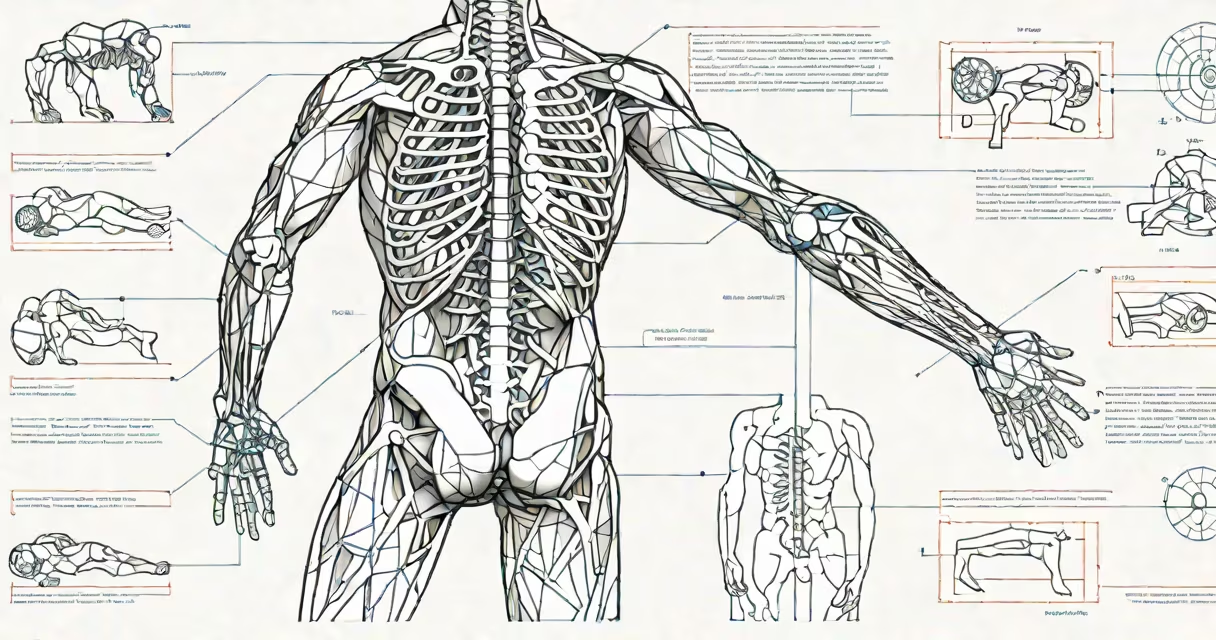
The right side of the human body includes the right arm, right leg, right shoulder, right hip, and internal organs such as the right lung, liver, gallbladder, and part of the large intestine. These structures mirror the left side but serve distinct physiological roles.
Human anatomy is largely symmetrical, meaning most paired organs and limbs appear on both sides. However, asymmetry exists in organ placement: the heart lies slightly left of center, while the liver dominates the right upper quadrant of the abdomen. This arrangement optimizes space and function within the thoracic and abdominal cavities.
Understanding the right side's composition helps interpret symptoms, diagnose conditions, and perform medical procedures accurately. For example, pain in the right upper quadrant may indicate gallbladder issues rather than kidney problems, which typically affect the flank region.
Each structure on the right side contributes to important bodily functions. The right lung handles approximately 55% of the oxygen exchange due to its larger size and greater capacity compared to the left. The right kidney filters waste from blood and regulates electrolyte balance, working alongside the left kidney to maintain homeostasis.
Internal organs on the right side operate under coordinated neural and hormonal control. The vagus nerve sends signals from the brainstem to regulate digestion in the right colon and liver function. Hormones like cortisol and insulin act on receptors throughout the right side to manage metabolism and stress responses.
When movement occurs, muscles on the right side contract in sequence with those on the left. For instance, walking engages the right gluteus maximus during the stance phase of gait, while the right biceps brachii assists in flexing the elbow during arm swing.
Here are the major components located on the right side of the body:
| Body Region | Primary Structures | Function |
|---|---|---|
| Right Arm | Right humerus, radius, ulna, hand bones | Movement, manipulation, balance |
| Right Leg | Right femur, tibia, fibula, foot bones | Weight-bearing, locomotion |
| Right Thorax | Right lung, right clavicle, right scapula | Oxygen intake, structural support |
| Right Abdomen | Liver, gallbladder, right kidney, ascending colon | Digestion, detoxification, fluid regulation |
These structures work together to support daily activities and long-term health. The liver, for example, processes nutrients absorbed from the small intestine and produces clotting factors essential for wound healing.
Many assume that all organs are mirrored on both sides. This is false. The heart sits left of center, and the spleen resides entirely on the left. The liver spans both sides but occupies more space on the right. Confusing this can lead to misdiagnosis or improper self-assessment.
Another misconception is that right-sided pain always indicates a problem on the right. While many conditions localize to one side, referred pain can originate from distant sites. For example, gallbladder disease often causes pain in the right upper quadrant but may radiate to the right shoulder blade-a phenomenon known as referred pain via the phrenic nerve.
A lesser-known fact: the right side of the brain controls motor functions on the left side of the body, and vice versa. So, damage to the left motor cortex affects movement on the right side. This cross-wiring explains why stroke patients often lose strength on the opposite side of their body.
Consider a 42-year-old woman presenting with sharp pain in the right upper quadrant after eating fatty meals. She reports nausea and bloating. Physical exam reveals tenderness at McBurney's point, though this is typically associated with appendicitis on the right lower quadrant.
Further imaging shows thickened gallbladder walls and stones in the gallbladder lumen. Ultrasound confirms cholecystitis. Treatment involves surgical removal of the gallbladder (cholecystectomy). Her symptoms resolved post-op.
This case illustrates how identifying the correct location of organs on the right side guides accurate diagnosis. Without knowing that the gallbladder lies beneath the right ribcage, clinicians might misattribute the pain to other causes.
During physical exams, doctors assess symmetry by comparing both sides. A difference in muscle mass, sensation, or reflexes may signal neurological or musculoskeletal disorders. Early detection improves outcomes.
I once observed a patient with a subtle limp during a routine check-up. On examination, the right quadriceps was noticeably weaker than the left. MRI revealed a small lesion in the right motor cortex. This finding led to further neurology evaluation and timely intervention.
Knowing what body parts are on your right side supports better communication with healthcare providers, informed decision-making, and early symptom recognition. Whether assessing pain, tracking injury recovery, or understanding normal anatomy, clarity about right-side structures matters.
Understanding the distribution of organs and limbs on the right side of the body enables accurate interpretation of physical signs and medical terminology. When you ask "what body parts are on your right side," you're engaging with foundational human anatomy that applies across medicine, fitness, and daily life.