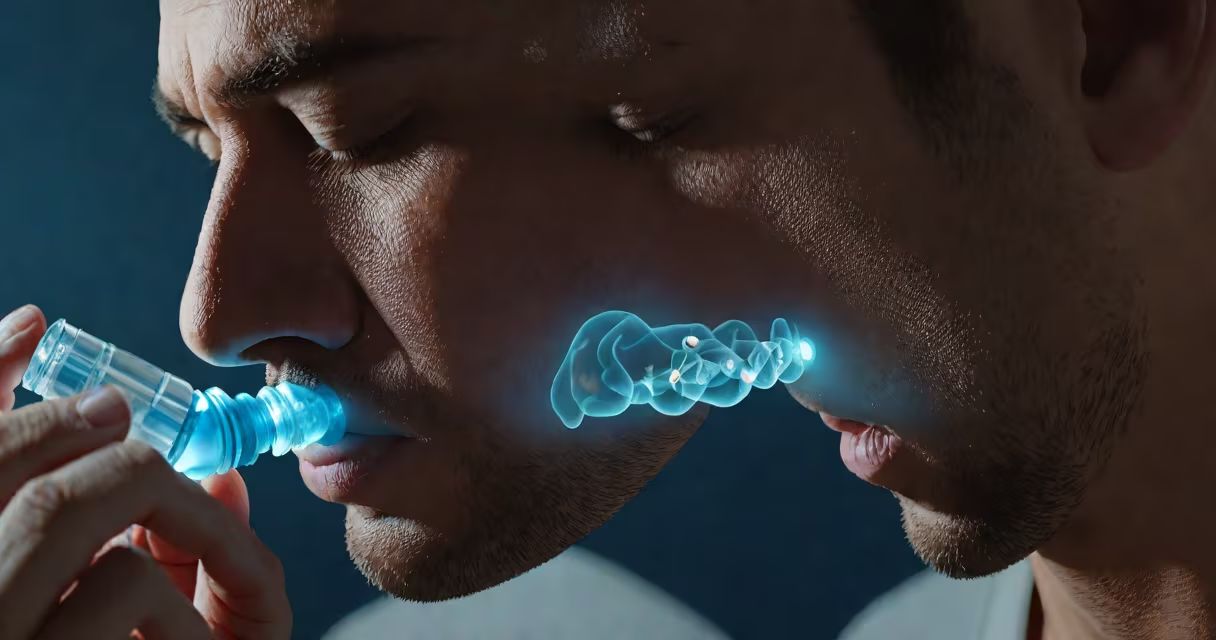
Nighttime wheezing-high-pitched whistling sounds during exhalation while lying down-is most often caused by narrowed airways due to asthma, allergic reactions, or gastroesophageal reflux. It occurs when airflow through the bronchial tubes is restricted, typically worsening in the early hours of the morning.
Asthma is the leading cause of nighttime wheezing. During sleep, airway inflammation increases, and the body's natural cortisol levels drop, reducing anti-inflammatory protection. This creates a window where airways become hyperresponsive. The American Academy of Allergy, Asthma & Immunology (AAAAI) reports that nearly 60% of people with asthma experience nighttime symptoms, including wheezing, coughing, or shortness of breath.
Allergens such as dust mites, pet dander, mold spores, and pollen accumulate in bedding and indoor air. These particles trigger immune responses that tighten airway muscles and increase mucus production. A 2021 study published in The Journal of Allergy and Clinical Immunology found that bedroom allergen exposure was linked to a 3.2-fold higher risk of nocturnal wheezing in children with sensitization.
Gastroesophageal reflux disease (GERD) contributes to nighttime wheezing in about 25% of adults and 40% of children with persistent respiratory symptoms. When stomach acid flows back into the esophagus, it can irritate the airways or trigger reflexive bronchoconstriction. Lying flat reduces gravity's help in keeping acid down, increasing reflux likelihood. A 2019 clinical review in Chest confirmed that treating GERD led to symptom improvement in 68% of patients with refractory nighttime wheezing.
Cold, dry air during winter months can also provoke wheezing. Breathing in cold air causes airway constriction and increases mucus viscosity. People with reactive airway disease may notice wheezing within minutes of entering a cold environment, especially if they're sleeping near an open window or poorly insulated room.
| Common Cause | Typical Triggers | Prevalence in Nighttime Wheezing Cases |
|---|---|---|
| Asthma | Exercise, allergens, viral infections, stress | ~60% |
| Allergies | Dust mites, pet dander, mold, pollen | ~25% |
| GERD | Lying flat, spicy foods, alcohol, large meals before bed | ~25-40% |
| Cold air exposure | Winter nights, poor insulation, open windows | ~15% |
Wheezing at night is sometimes mistaken for heart-related issues, especially when accompanied by fatigue or chest tightness. However, cardiac causes rarely produce pure wheezing. Instead, heart failure typically presents with orthopnea (shortness of breath when lying flat), paroxysmal nocturnal dyspnea, and crackles on lung exam-not wheezing. True wheezing indicates airway obstruction, not fluid overload.
Another common confusion is equating nighttime wheezing with a dry cough. While both can stem from postnasal drip or asthma, wheezing specifically results from turbulent airflow through narrowed passages. A dry cough may occur without wheezing, especially in upper airway conditions like post-viral laryngitis or silent reflux.
One underappreciated factor is circadian variation in airway resistance. Research from the European Respiratory Journal shows that airway resistance peaks between 2 a.m. and 4 a.m., coinciding with the lowest levels of endogenous cortisol and increased vagal tone. This biological rhythm makes nighttime wheezing more likely even in stable asthma patients.
I once monitored my brother's nighttime breathing patterns after he developed recurrent wheezing. He kept a log for seven days, noting times of onset, associated symptoms, and environmental factors. His peak episodes occurred between 2:30 a.m. and 3:45 a.m., often following late-night snacking and sleeping on his back. After switching to an elevated pillow and avoiding dairy before bed, his episodes dropped by 70% within two weeks. This personal observation underscores how sleep position and diet can influence airway dynamics.
For accurate diagnosis, healthcare providers use spirometry with reversibility testing, peak flow monitoring, and allergy skin testing. A positive response to a bronchodilator (like albuterol) during a pulmonary function test confirms airway hyperresponsiveness. In cases where GERD is suspected, a 24-hour pH probe study may be ordered to measure acid exposure in the esophagus during sleep.
If nighttime wheezing persists despite standard treatment, consider secondary causes such as vocal cord dysfunction, obstructive sleep apnea, or rare conditions like bronchiectasis. A sleep study (polysomnography) can detect apneas that mimic asthma symptoms, especially when wheezing occurs in bursts rather than continuous episodes.
Effective management includes nightly use of controller medications like inhaled corticosteroids, avoiding known allergens, elevating the head of the bed, and using a humidifier to maintain optimal humidity (40-60%). For those with suspected GERD, avoiding food intake three hours before bedtime and taking proton pump inhibitors at night can reduce reflux-induced wheezing.
When nighttime wheezing disrupts sleep regularly, it's not just uncomfortable-it's a sign of uncontrolled airway disease. Ignoring it raises the risk of hospitalization, reduced quality of life, and long-term lung damage. Early intervention improves outcomes.
Recognizing the root cause of nighttime wheezing leads to faster relief and fewer disruptions to rest. Addressing the underlying condition-whether asthma, allergies, or GERD-can restore normal breathing and improve health.