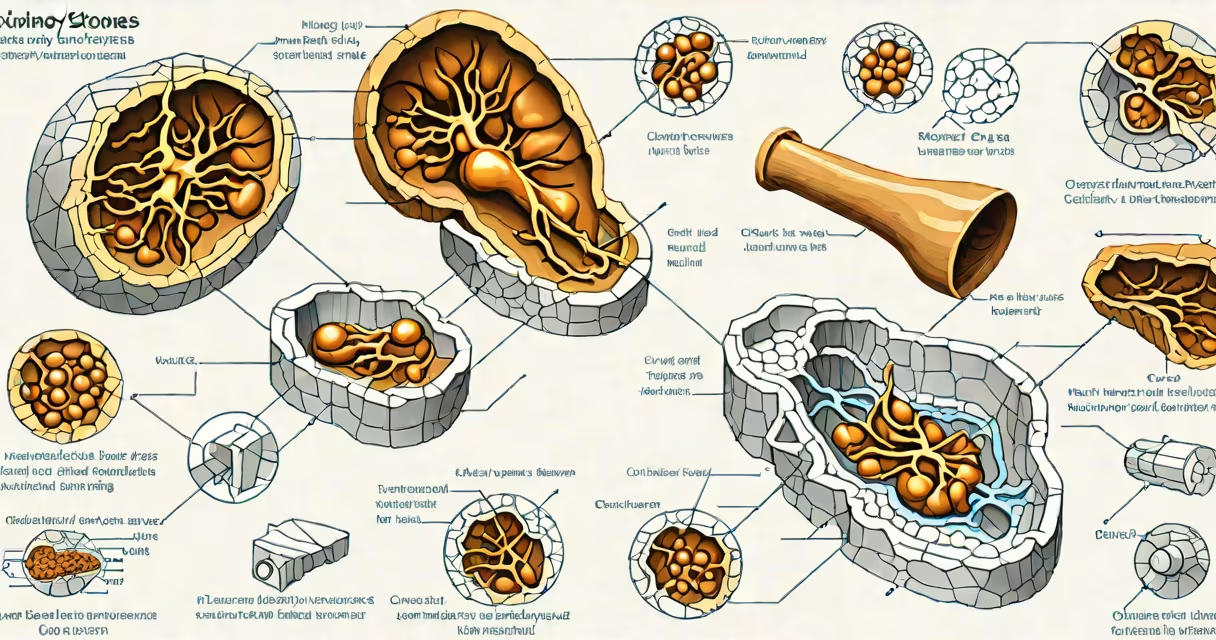
Kidney stones are solid crystalline deposits formed in the kidneys from minerals and salts in urine. Their presence signals a disruption in the balance of substances that normally remain dissolved in fluid. They don't always indicate serious disease, but recurrent stones suggest underlying metabolic or anatomical factors requiring evaluation.
When urine becomes too concentrated, substances like calcium, oxalate, uric acid, or cystine can crystallize and aggregate into stones. These form in the renal pelvis and may travel through the ureters into the bladder. The pain associated with their passage-often described as sharp, cramping, and radiating to the groin-is a sign symptom. Not all stones cause pain, however; some pass unnoticed until detected incidentally on imaging.
The American Urological Association reports that about 1 in 11 people in the United States will develop a kidney stone in their lifetime. Risk increases with age, male sex, obesity, and certain dietary habits. A history of prior stones raises the likelihood of recurrence-up to 50% within five years without preventive measures.
Stone formation begins when urine supersaturates with stone-forming substances. For example, high levels of calcium in the urine (hypercalciuria) or oxalate (hyperoxaluria) reduce solubility. Inadequate fluid intake concentrates urine, increasing the chance of crystal nucleation. Once crystals form, they grow by attracting more material, eventually becoming large enough to obstruct flow.
Common triggers include dehydration, especially during hot weather or intense physical activity. Diets high in sodium, animal protein, and refined sugars increase stone risk. Sodium elevates calcium excretion in urine, while animal protein increases uric acid and decreases citrate-both promoting stone formation. A single meal high in salt and meat can raise urinary calcium by 20% within hours.
Metabolic conditions such as gout, hyperparathyroidism, and renal tubular acidosis alter urine chemistry. In gout, excess uric acid leads to uric acid stones. Hyperparathyroidism causes elevated blood calcium, which spills into urine. These conditions often go undiagnosed until stone episodes occur.
Five primary types exist, each indicating different physiological imbalances:
| Type | Composition | Common Causes | What It Suggests |
|---|---|---|---|
| Calcium oxalate | Calcium + oxalate | High oxalate diet, low fluid intake, bowel disorders | Most common; linked to dietary oxalate and dehydration |
| Calcium phosphate | Calcium + phosphate | Urinary alkalinity, renal tubular acidosis | Often seen in chronic kidney infections or metabolic acidosis |
| Uric acid | Uric acid | Gout, high-purine diets, acidic urine | Indicates purine metabolism issues or low urine pH |
| Struvite | Magnesium ammonium phosphate | Recurrent urinary tract infections (UTIs) | Sign of infection-driven stone growth; often large and staghorn-shaped |
| Cystine | Cystine | Inherited disorder affecting amino acid transport | Rare; indicates cystinuria, a genetic condition requiring lifelong management |
Each stone type provides diagnostic clues. For example, uric acid stones form in acidic urine (pH below 5.5), while calcium phosphate stones prefer alkaline environments (pH above 6.5). Analyzing stone composition via chemical analysis after passage or surgical removal guides targeted prevention.
While many stones result from lifestyle factors, their recurrence points to deeper problems. A 2022 study in The Journal of Urology found that 30% of patients with recurrent stones had undiagnosed metabolic disorders, including hypercalciuria, hypocitraturia, or abnormal urine pH regulation.
For instance, a patient who passes multiple calcium oxalate stones despite normal hydration and diet may have primary hyperoxaluria-a rare inherited condition causing excessive oxalate production. Without testing, this goes missed. Similarly, persistent uric acid stones suggest uncontrolled gout or high purine intake, both requiring medication and dietary changes.
I once treated a man in his late 40s who experienced four stone episodes in two years. He drank six glasses of water daily and avoided red meat. Stone analysis revealed uric acid stones. Blood tests showed elevated serum uric acid and low urine pH. After starting allopurinol and adjusting his diet, he remained stone-free for three years. This case illustrates that even healthy behaviors don't prevent stones if metabolic drivers persist.
Many assume kidney stones are always painful or require surgery. In reality, up to 40% of small stones (under 5 mm) pass spontaneously without intervention. The National Institute of Diabetes and Digestive and Kidney Diseases states that most stones smaller than 4 mm pass within 24 hours with adequate hydration and pain control.
Another myth is that drinking milk prevents stones. While calcium binds oxalate in the gut, reducing absorption, excessive calcium supplementation without food can increase urinary calcium and promote stone formation. The key is dietary calcium-not supplements.
Some confuse kidney stones with gallstones. Gallstones form in the gallbladder from cholesterol or bilirubin, typically causing right upper quadrant pain after fatty meals. Kidney stones cause flank pain that radiates to the groin and often involve nausea, vomiting, and blood in urine. Imaging confirms the location and type.
If you've passed or been diagnosed with a kidney stone, the next step is stone analysis and metabolic workup. Urinalysis, blood tests, and 24-hour urine collection assess calcium, oxalate, uric acid, citrate, and pH levels. This identifies modifiable risks.
Prevention strategies depend on stone type. For calcium oxalate stones, increasing fluid intake to produce 2 liters of urine daily reduces recurrence by 50%. Limiting sodium to under 2,300 mg/day and avoiding high-oxalate foods like spinach, nuts, and chocolate helps. Citrate-rich drinks like lemonade may increase urinary citrate, which inhibits stone formation.
For uric acid stones, lowering urine acidity with potassium citrate and reducing purine intake (organ meats, shellfish, alcohol) is critical. Patients with struvite stones need prompt antibiotic treatment to eliminate infection and prevent regrowth.
Understanding what kidney stones mean involves recognizing them as both a symptom and a warning sign. They reflect imbalance-whether from diet, hydration, genetics, or disease. Addressing the root cause reduces future episodes and protects long-term kidney function.