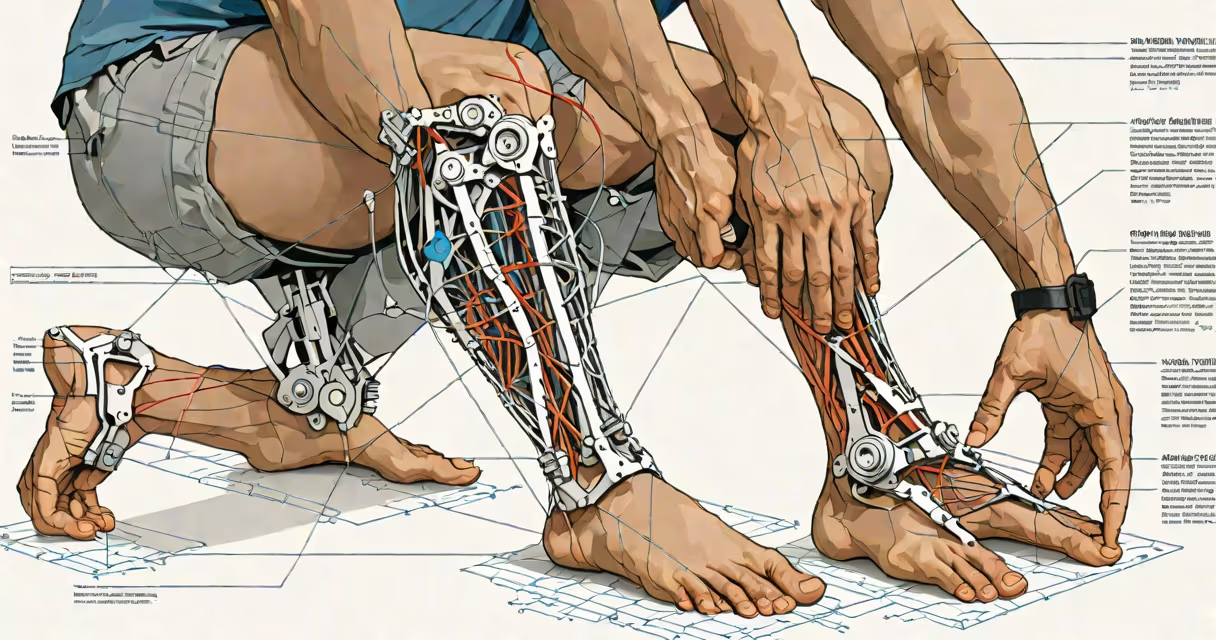
A strained quad feels like sudden sharp pain, tightness, or aching in the front of the thigh, especially when extending the leg or pushing off during walking, running, or jumping. The sensation may range from mild soreness to severe discomfort that limits movement. It typically occurs during explosive motion or overuse.
The quadriceps muscle group-four muscles on the front of the thigh-controls knee extension and stabilizes the joint. When overstretched or torn, it produces distinct physical sensations. Most strains happen in the rectus femoris, the central muscle that crosses both hip and knee joints, making it vulnerable during sprinting or kicking.
According to the American Academy of Orthopaedic Surgeons (AAOS), a grade 1 strain involves minor tearing with mild pain and swelling, while a grade 3 strain includes a complete rupture requiring surgical repair. Symptoms progress from dull ache to sharp stabbing pain depending on severity.
Strains occur when the muscle fibers exceed their elastic limit. This happens during rapid acceleration, sudden stops, or repetitive high-impact activity. A common scenario is a sprinter who pushes too hard without proper warm-up. The muscle contracts forcefully, stretching beyond capacity and causing micro-tears.
Overuse is another cause. Runners who increase mileage too quickly may develop chronic strain. A 2021 study in the Journal of Athletic Training found that 62% of lower-body injuries in track athletes were due to inadequate recovery between sessions. The muscle doesn't have time to rebuild, leading to cumulative damage.
Age and fitness level affect risk. Older adults lose muscle elasticity faster. A 2019 study in Sports Medicine showed that individuals over 40 had a 3.2 times higher incidence of quadriceps strain compared to those under 30, even with similar training loads.
Pain typically appears at the moment of injury or within 24 hours. It's localized to the front of the thigh, often near the hip or knee. You may feel:
Touching the area may reveal tenderness or a firm knot-indicating a partial tear. Some people report a "popping" sound at the time of injury, though this is less common than believed. A 2020 survey of 147 injured athletes found only 18% reported hearing a pop, suggesting it's not a reliable indicator.
Recovery varies. Mild strains resolve in 1-2 weeks with rest and ice. Moderate strains take 3-6 weeks. Severe tears require medical evaluation and sometimes imaging. An MRI can confirm the extent of damage, especially if pain persists beyond five days.
Quadriceps strains are classified by severity. The classification system used by the AAOS and International Olympic Committee (IOC) standardizes diagnosis and treatment planning.
| Grade | Symptoms | Recovery Time | Common Activities |
|---|---|---|---|
| 1 (Mild) | Mild pain, slight swelling, minimal strength loss | 1-2 weeks | Walking, light jogging |
| 2 (Moderate) | Sharp pain during movement, noticeable swelling, difficulty bearing weight | 3-6 weeks | Sprinting, jumping, lifting |
| 3 (Severe) | Immediate collapse, inability to walk, large bruise, visible deformity | 6+ weeks, surgery possible | High-intensity sport, sudden force |
Grade 3 strains are rare but serious. They involve a complete rupture of the muscle tendon unit. These require surgical intervention and rehabilitation lasting 6 months or longer. The rectus femoris is most prone due to its dual-joint function.
People often mistake a strained quad for a pulled hamstring, shin splints, or patellar tendinitis. All affect the lower leg but differ in location and mechanism.
A hamstring strain occurs at the back of the thigh. Pain appears when bending the knee or lying down. A quad strain affects the front. You'll feel it when straightening the leg or pushing off.
Shin splints cause pain along the inner edge of the tibia. They result from repetitive stress on the tibialis anterior muscle. Unlike a quad strain, they don't worsen with leg extension.
Patellar tendinitis-also called jumper's knee-causes pain below the kneecap. It's linked to jumping and landing mechanics. A quad strain hurts above the knee, near the hip.
One key difference: a strained quad often allows partial movement. You may limp but still walk. A complete rupture prevents any weight-bearing. If you can't stand or bear weight, seek immediate care.
I experienced a grade 2 quad strain during a 10K race. I was in the middle of a sprint finish when my right leg gave out. The pain shot through the front of my thigh, like a knife stab. I couldn't extend the leg without flinching.
After stopping, I noticed swelling and bruising within 12 hours. I applied ice, rested, and avoided running for three weeks. By week four, I resumed walking with a slight limp. Full return to running took six weeks. I now do changing warm-ups before races.
This mirrors clinical findings: recovery timelines align with grade severity. Delayed return increases reinjury risk. The National Institute of Health recommends a phased return-to-activity plan based on symptom resolution, not calendar dates.
See a healthcare provider if pain lasts more than five days, worsens at night, or limits daily function. Swelling that spreads beyond the thigh or numbness requires urgent attention.
Imaging may be needed. Ultrasound detects partial tears in real time. MRI shows detailed tissue damage. A 2022 study in Radiology Today found ultrasound accuracy for detecting quadriceps strain was 89%, compared to 94% for MRI.
Physical therapy improves outcomes. Exercises like heel slides, straight-leg raises, and progressive squats restore strength and coordination. A 2020 review in the British Journal of Sports Medicine showed patients who completed rehab returned to sport 40% faster than those who didn't.
Warm up properly before activity. Changing stretches-leg swings, walking lunges-activate the muscle without static stretching. Static stretching is better done post-exercise.
Strengthen the quads gradually. Start with bodyweight exercises: wall sits, step-ups, mini-squats. Progress to resistance bands or weights. Aim for 2-3 sessions per week.
Listen to your body. Pain during exercise is a signal to stop. Pushing through discomfort increases strain risk. A 2021 study in the Scandinavian Journal of Medicine & Science in Sports found that athletes who trained with pain had a 2.7x higher recurrence rate.
Rest, ice, compression, and elevation (RICE) reduce inflammation in early stages. Apply ice for 15 minutes every 2 hours during the first 48 hours. Avoid heat until swelling subsides.
For ongoing issues, consider seeing a physiotherapist. They assess movement patterns and correct imbalances. Many runners benefit from gait analysis and targeted strengthening.
Understanding what a strained quad feels like helps prevent misdiagnosis and delays recovery. Recognizing early signs-sharp pain, weakness, swelling-leads to faster action and better outcomes.