People with gallbladder issues should focus on low-fat, high-fiber, easily digestible foods such as boiled potatoes, skinless poultry, oatmeal, and steamed vegetables. High-fat or fried meals trigger gallbladder attacks by forcing the organ to contract forcefully, often causing severe pain.
Gallbladder problems stem from bile buildup or blockage, usually due to gallstones. When the gallbladder cannot release bile efficiently, digestion slows, especially for fats. The American College of Gastroenterology notes that dietary fat is the most common trigger for gallbladder pain episodes.
Foods that are gentle on the digestive system reduce strain on the gallbladder. These include whole grains, lean proteins, fruits like apples and bananas, and cooked vegetables. Avoiding high-fat, processed, and spicy foods prevents flare-ups and supports long-term recovery.
A gallbladder-friendly diet reduces fat intake to below 30 grams per day, according to the National Institute of Diabetes and Digestive and Kidney Diseases (NIDDK). This limit prevents sudden contractions of the gallbladder, which cause biliary colic-sharp pain in the upper right abdomen.
When fat enters the small intestine, the gallbladder releases bile to break it down. If bile flow is blocked or insufficient, fat remains undigested, leading to bloating, diarrhea, and nausea. A low-fat diet minimizes this demand, allowing the digestive system to function without triggering pain.
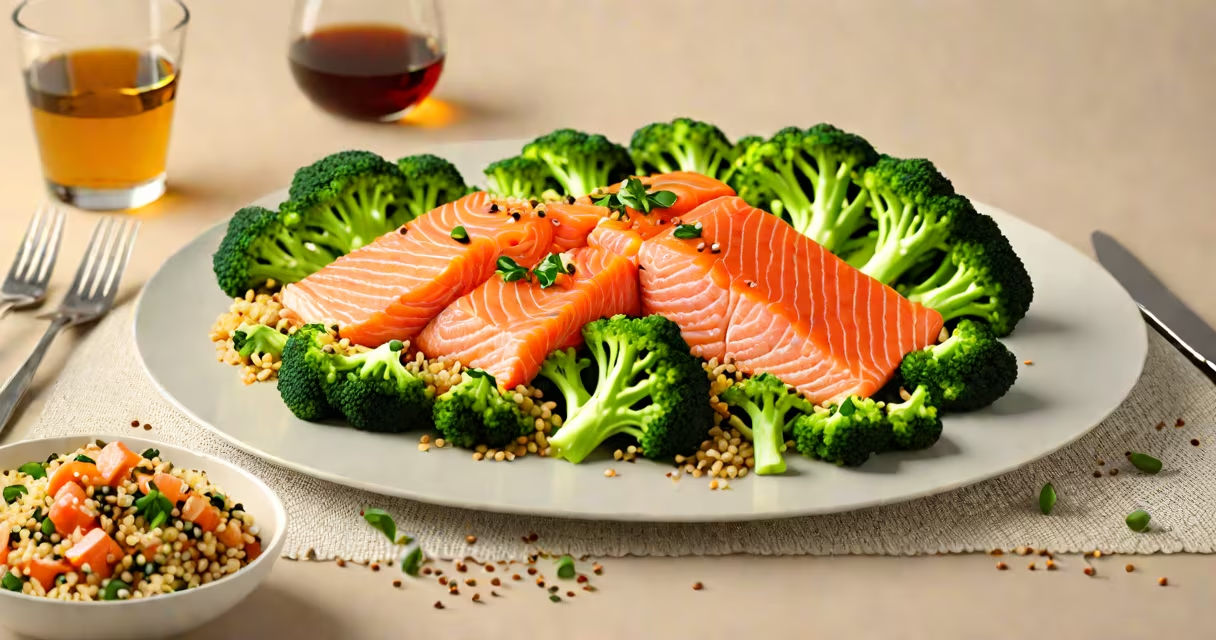
For example, a meal of grilled salmon (15g fat), steamed carrots (1g fat), and brown rice (2g fat) totals under 20g fat-well within recommended limits. Compare that to a fried chicken sandwich (35g fat), which exceeds daily thresholds and increases attack risk.
Not all low-fat foods are equally effective. The best choices support digestion while avoiding irritation. Here's a breakdown:
| Foods to Eat | Why They Help | Examples |
|---|---|---|
| Low-fat proteins | Provide amino acids without overwhelming bile production | Boiled eggs (1 egg = 5g fat), skinless chicken breast, tofu |
| High-fiber carbohydrates | Regulate bowel movements and reduce cholesterol buildup | Oatmeal, quinoa, sweet potatoes, apples (with skin) |
| Non-starchy vegetables | Low in fat and rich in nutrients that support liver function | Steamed broccoli, zucchini, green beans, carrots |
| Low-fat dairy | Offer calcium and protein without excessive fat | Plain Greek yogurt (2% fat), cottage cheese (1% fat) |
One non-obvious fact: cooking methods matter more than food type. Boiling or steaming preserves nutrients and avoids adding fat. Frying, sautéing with oil, or using creamy sauces dramatically increases fat content-even in otherwise healthy foods.
For instance, a baked potato contains about 1g fat. Add butter (11g fat per tablespoon), sour cream (6g fat per 2 tablespoons), and bacon bits (10g fat per ¼ cup), and the dish jumps to over 30g fat-enough to provoke a gallbladder attack.
Many people assume all "healthy" foods are safe. That's not true. Avocados, nuts, and olive oil are nutrient-dense but high in fat. Even a small serving of almonds (1 ounce = 14g fat) can trigger symptoms in sensitive individuals.
Another confusion: fermented foods. While beneficial for gut health, they can worsen gallbladder symptoms. The NIDDK warns that probiotics may increase gas and bloating during acute phases. A personal observation: after eating kimchi during a flare-up, I experienced increased abdominal pressure and discomfort-symptoms eased after stopping consumption.
Some confuse gallbladder issues with irritable bowel syndrome (IBS). Both involve abdominal pain and altered bowel habits, but gallbladder pain typically occurs after eating fatty meals and is localized to the upper right quadrant. IBS pain is more diffuse and often linked to stress or specific triggers like lactose or fructose.
Foods to avoid include fried items, fatty meats, full-fat dairy, processed snacks, and spicy seasonings. These stimulate rapid gallbladder contraction and can lead to blockages.
Specific examples:
Even alcohol and caffeine can irritate the digestive tract and exacerbate symptoms. The Mayo Clinic recommends limiting or eliminating both during active episodes.
Consider a sample day using approved foods:
Total daily fat: ~36g. This exceeds the ideal 30g but stays within safe limits for many patients. Adjust portions to stay under 30g if symptoms persist.
When introducing new foods, start slowly. Try one item at a time and track reactions. If bloating or pain follows a meal, eliminate that food for at least a week before reintroducing.
Finally, remember that individual tolerance varies. What works for one person may not work for another. Always consult a gastroenterologist or registered dietitian for personalized guidance.
Understanding what foods you can eat with gallbladder issues allows you to manage symptoms effectively. Focus on low-fat, high-fiber, whole foods prepared simply. Avoid frying, heavy sauces, and high-fat dairy. Monitor your body's response and adjust accordingly.