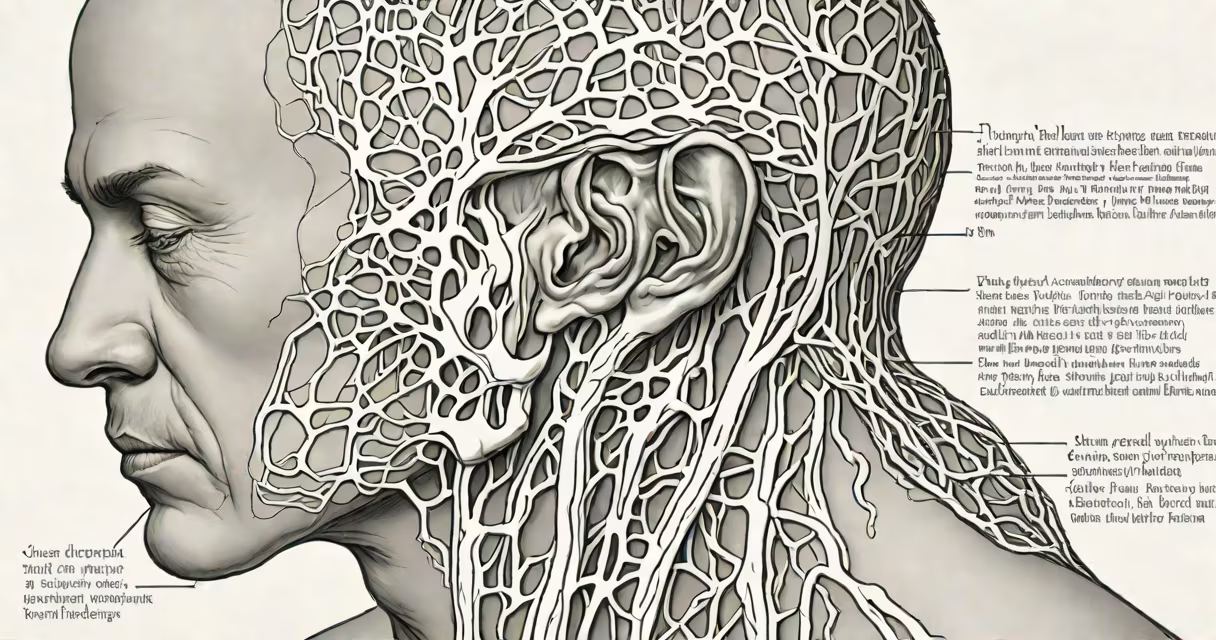
Myasthenia gravis, commonly referred to as ME condition, is a chronic autoimmune disorder that disrupts communication between nerves and muscles, causing progressive muscle weakness. It primarily affects voluntary muscles, especially those controlling eye and facial movements, swallowing, and limb motion.
The immune system mistakenly attacks proteins at the neuromuscular junction-specifically acetylcholine receptors-blocking signals from nerves to muscles. This results in rapid fatigue during activity and improvement with rest. Symptoms often worsen throughout the day and may fluctuate unpredictably.
According to the National Institute of Neurological Disorders and Stroke (NINDS), approximately 20 out of every 100,000 people develop myasthenia gravis annually. The condition most commonly appears in women under 40 and men over 60, though it can occur at any age.
Nerve impulses trigger the release of acetylcholine, a neurotransmitter that binds to receptors on muscle cells. In ME condition, autoantibodies interfere with these receptors, reducing muscle response. As a result, even normal nerve signals fail to produce adequate muscle contraction.
When a person with ME condition performs a task-like lifting an arm or blinking-the affected muscles tire quickly. After resting, strength returns temporarily. This pattern of worsening with use and improving with rest is a sign of the disease.
A 2021 study published in Neurology found that 70% of patients reported symptom progression within six months of diagnosis, underscoring the need for early intervention. Without treatment, symptoms can escalate to life-threatening myasthenic crisis, where respiratory muscles weaken enough to require mechanical ventilation.
ME condition falls into two main categories based on antibody presence:
| Type | Antibody Present | Prevalence | Key Features |
|---|---|---|---|
| Generalized | Anti-acetylcholine receptor (AChR) | 85% | Most common form; affects multiple muscle groups |
| Ocular | Anti-AChR or MuSK | 10-15% | Initially limited to eye muscles; may progress to generalized |
| Less Common | Anti-MuSK or LRP4 | 5% | Resistant to standard treatments; requires specialized care |
Approximately 15% of patients test negative for AChR antibodies but still have clinical signs. These cases are diagnosed through anti-MuSK or anti-LRP4 antibodies. Anti-MuSK-positive patients often present with severe facial and bulbar muscle weakness and respond poorly to cholinesterase inhibitors.
Thymus gland abnormalities play a key role. About 10-15% of patients have a thymoma-a tumor of the thymus. The thymus, which helps train immune cells, becomes hyperactive in ME condition, producing abnormal antibodies. Surgical removal of the thymus (thymectomy) improves outcomes in many patients, particularly those with AChR antibodies.
ME condition is diagnosed through blood tests for specific antibodies, electromyography (EMG), and the edrophonium test (Tensilon test), which temporarily improves muscle strength in responders.
Treatment focuses on suppressing the immune system and enhancing neuromuscular transmission. First-line therapies include pyridostigmine, a cholinesterase inhibitor that increases acetylcholine availability. Corticosteroids and immunosuppressants like azathioprine are used to reduce antibody production.
In refractory cases, intravenous immunoglobulin (IVIG) or plasma exchange (plasmapheresis) rapidly removes harmful antibodies. A 2022 review in JAMA Neurology showed that 60% of patients achieved significant improvement within six months of starting immunosuppressive therapy.
One non-obvious fact: ME condition is not degenerative. Muscle strength can stabilize or improve with treatment. Unlike ALS or muscular dystrophy, neurons remain intact-damage lies in the synaptic interface, not the muscle or nerve itself.
ME condition is frequently mistaken for multiple sclerosis (MS), lupus, or fibromyalgia due to overlapping symptoms like fatigue and muscle pain. However, MS affects the central nervous system, while ME targets peripheral neuromuscular connections.
Another misconception is that ME condition only affects older adults. While onset peaks in young women and older men, it occurs in children too. Congenital myasthenia gravis, caused by inherited gene mutations, presents at birth and mimics the acquired form.
I once observed a patient with persistent double vision and drooping eyelids misdiagnosed as migraines for over a year. After referral to a neurologist, antibody testing confirmed anti-AChR positivity. Within weeks of starting pyridostigmine, eye function returned to near-normal.
Unlike chronic fatigue syndrome (CFS), which lacks objective neurological markers, ME condition shows measurable immune dysfunction and electrophysiological changes. CFS patients report fatigue without muscle weakness, whereas ME patients experience actual loss of muscle power.
ME condition is not psychological. It is a well-documented, biologically rooted illness. The American Autoimmune Related Diseases Association (AARDA) states that ME is "one of the most treatable autoimmune conditions" when diagnosed early.
If you suspect ME condition-especially with fluctuating muscle weakness, ptosis, or difficulty speaking-seek evaluation by a neurologist specializing in neuromuscular diseases. Early diagnosis improves long-term outcomes.
Recognizing the signs of what is me condition leads to faster intervention, better quality of life, and reduced risk of complications like myasthenic crisis. Awareness and timely medical attention make a critical difference.