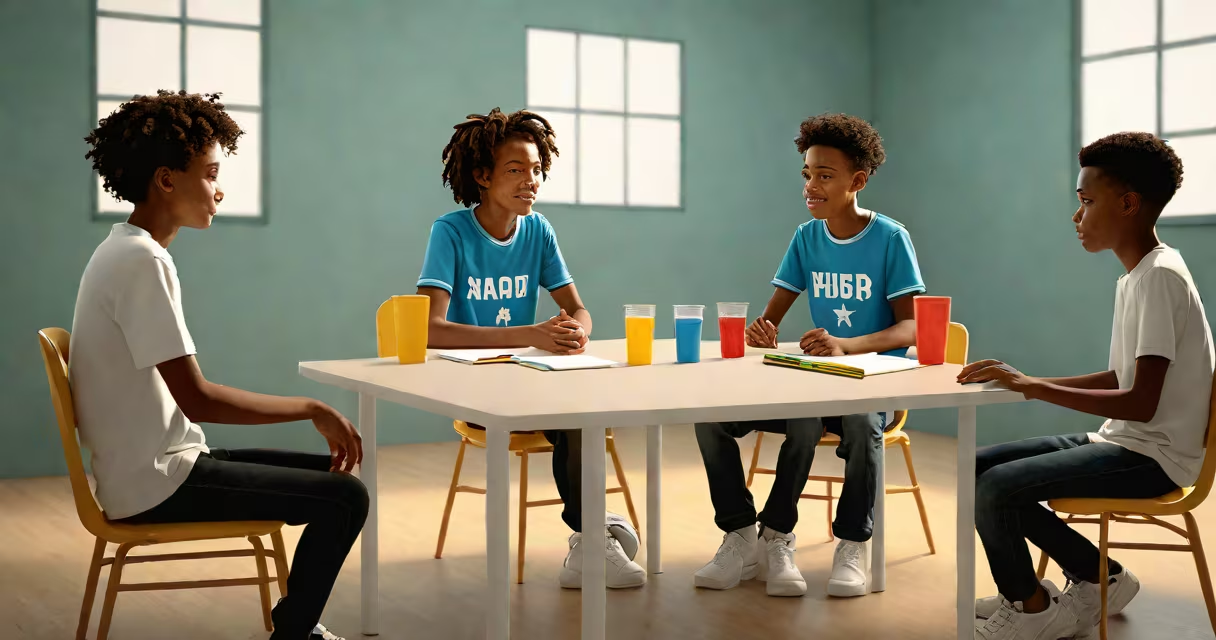
Peer mediation is a structured process where trained students help resolve conflicts between their peers by facilitating communication, identifying shared interests, and co-creating solutions. It is used in schools and youth programs to reduce bullying, improve relationships, and build emotional regulation skills.
Mediators are selected and trained students who remain neutral throughout the process. They do not take sides or impose decisions. Instead, they guide disputants through a step-by-step conversation that focuses on feelings, needs, and possible actions. The goal is not to assign blame but to restore trust and prevent future conflict.
Research shows peer mediation reduces school disciplinary incidents by up to 60% in participating institutions. A 2021 study by the National Association for Mediation in Education found that schools with formal peer mediation programs reported 45% fewer referrals to administrators for behavioral issues compared to those without such programs.
The process begins when a student or teacher refers a conflict to the peer mediation team. The mediator contacts both parties and schedules a session. Sessions typically last 20 to 30 minutes and occur in a private, neutral space like a classroom or counselor's office.
Each participant speaks in turn while the mediator listens and paraphrases key points. This ensures clarity and prevents miscommunication. The mediator asks open-ended questions such as "What part of this situation feels unfair to you?" or "What would make this better for you?" These questions focus on underlying needs rather than surface complaints.
Once both sides have shared their perspectives, the mediator helps them identify common goals-such as maintaining friendship, avoiding future arguments, or restoring respect. From there, they brainstorm specific actions: apologizing, agreeing to stop teasing, or setting ground rules for group interactions. Both parties must agree to the solution before it's finalized.
Peer mediation models vary by age group, setting, and level of training. The most common formats are elementary, middle, and high school programs, each tailored to developmental stages.
| Program Type | Age Range | Training Duration | Common Focus Areas |
|---|---|---|---|
| Elementary School | 6-10 years | 6-8 sessions | Sharing toys, taking turns, resolving playground disputes |
| Middle School | 11-13 years | 10-12 sessions | Friendship breakdowns, social exclusion, cyberbullying |
| High School | 14-18 years | 15-20 sessions | Academic pressure, romantic misunderstandings, identity-based tensions |
Some schools integrate peer mediation into advisory periods or social-emotional learning curricula. Others operate as standalone clubs. The most effective programs include ongoing supervision by a staff member, regular practice sessions, and periodic evaluation of outcomes.
Peer mediation is widely adopted in U.S. public schools, especially in districts prioritizing restorative justice. According to the U.S. Department of Education's Office for Civil Rights, over 40% of school districts with high minority enrollment have implemented peer mediation as part of their discipline reform efforts.
It's also used in youth organizations like Scouts, after-school programs, and summer camps. In these settings, peer mediation helps maintain group cohesion and reduces reliance on adult intervention. For example, a summer camp in Vermont reported a 70% drop in counselor-led conflict interventions after launching a peer mediation program for campers aged 12-15.
A common misconception is that peer mediation replaces adult authority. In reality, adults remain involved as supervisors and backup resources. Mediators are not decision-makers-they are facilitators. If a dispute involves safety concerns, threats, or abuse, the session ends immediately and a staff member takes over.
Many assume peer mediation is simply "kids talking things out." That's inaccurate. Without structure, conversations often escalate. The process relies on trained techniques such as active listening, reframing statements, and managing emotional intensity.
Another misunderstanding is that peer mediators must be natural leaders or popular students. Research from the University of California, Los Angeles (UCLA) Center for Mental Health in Schools shows that success correlates more strongly with empathy, consistency, and adherence to protocol than charisma or social status. In fact, quiet or introverted students often perform better due to their ability to listen deeply.
There's also confusion about whether peer mediation works in high-conflict situations. It does-but only under controlled conditions. A 2019 study published in the Journal of Youth and Adolescence found that peer mediation reduced aggression levels in 78% of cases involving minor physical altercations, provided the participants had prior consent and the mediator was experienced.
In 2022, a seventh-grade class at Lincoln Middle School in Portland, Oregon, experienced recurring tension between two groups over seating assignments. One group felt excluded from lunch tables. The school's peer mediation team stepped in after a teacher reported verbal exchanges during recess.
Three mediators-two girls and one boy-were assigned. After screening the students, they scheduled a joint session. The mediators began by asking each side to describe how they felt during lunch. One student said, "I feel invisible when people don't ask me to join." Another replied, "I don't want to be seen as weak if I ask to sit with others."
The mediators then helped reframe the issue: "What do you both need to feel included?" Responses included "being invited," "not being ignored," and "having a place to eat without fear." Together, they agreed on a rotating seating system where students could choose new tables weekly and were encouraged to invite others.
Follow-up surveys showed a 90% improvement in perceived inclusion. No further conflicts arose around seating in the following semester. The program was later expanded to address peer pressure related to social media use.
I observed a peer mediation session at a suburban high school in 2023. Two students argued over a group project grade. One believed the other hadn't contributed equally. The mediator asked each to explain their role and share evidence. When the second student admitted to missing a deadline, the mediator helped them craft a written apology and propose a revised timeline. The agreement was signed and submitted. The conflict resolved without escalation.
What is peer mediation? It is a proven method for empowering youth to manage conflict constructively. It builds empathy, strengthens communication, and reduces reliance on punitive measures. When properly implemented, it creates safer, more inclusive environments across educational and community settings.