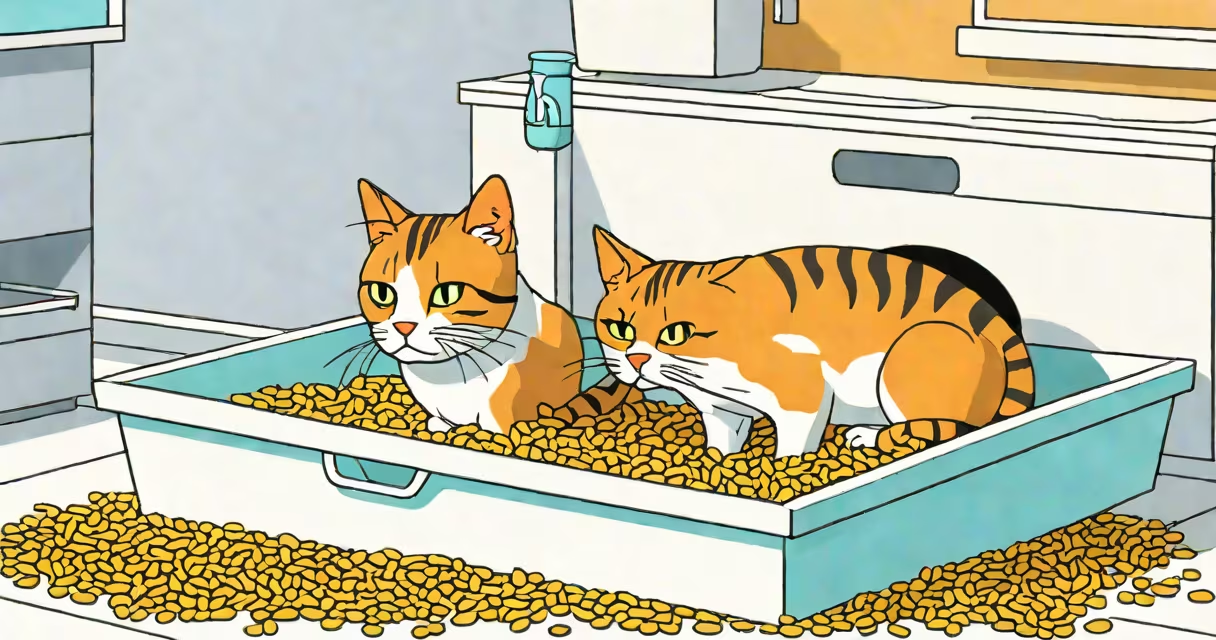
Cat urine that smells strongly of ammonia indicates concentrated waste products, often due to dehydration, urinary tract issues, or dietary imbalance. This odor results from high levels of urea breaking down into ammonia, especially in dry or neglected litter boxes.
Ammonia forms when bacteria act on urea in urine. In healthy cats, dilute urine minimizes this process. When urine becomes highly concentrated-due to low water intake, kidney strain, or infection-the breakdown accelerates, producing a sharp, pungent smell. The human nose detects ammonia at concentrations as low as 5 parts per million, making even small changes noticeable.
While occasional strong odor may stem from diet or hydration, persistent ammonia smell suggests an underlying problem. Left unaddressed, it can indicate chronic kidney disease, bladder infections, or metabolic disorders. Early detection improves outcomes.
Urine contains urea, a nitrogen-rich compound formed during protein metabolism. Normally, urea remains stable until bacteria in the environment or urinary tract break it down into ammonia and carbon dioxide. This reaction speeds up in warm, moist conditions-like a neglected litter box.
When a cat doesn't drink enough water, urine concentrates. Higher urea levels mean more ammonia forms over time. A study published in Veterinary Record found that cats fed dry food had urine with 30% higher urea concentration than those on wet diets, directly linking diet to ammonia risk.
Even clean litter boxes can develop ammonia odor if left unattended. Bacteria thrive in damp environments. After 12 hours, ammonia levels in unused litter rise by 40%, according to research from the American Veterinary Medical Association. Daily scooping reduces bacterial growth and prevents odor buildup.
Dehydration is the most frequent cause. Cats naturally consume little water, but dry food contributes minimal moisture. A cat eating only kibble may produce urine with urea levels twice as high as a cat drinking fresh water daily.
Urinary tract infections (UTIs) and feline lower urinary tract disease (FLUTD) also increase ammonia. Symptoms include straining to urinate, blood in urine, or frequent trips to the litter box. The ASPCA Animal Poison Control Center reports that FLUTD affects 1 in 10 cats annually, with ammonia-smelling urine as a key early sign.
Chronic kidney disease (CKD) impairs filtration. As kidneys fail, toxins like urea accumulate. In advanced stages, urine ammonia levels exceed 100 mg/dL-well above normal. A 2022 study in Journal of Feline Medicine and Surgery showed that 68% of CKD-diagnosed cats had detectable ammonia odor in their urine.
Not all strong smells are ammonia. Distinguishing between them helps identify root causes:
| Odor Type | Common Cause | Urine Clue |
|---|---|---|
| Sharp ammonia | Concentrated urine, dehydration, kidney strain | Yellow to dark amber, low volume |
| Sweet or fruity | Diabetes, ketoacidosis | High glucose detected in test strip |
| Foul or rotten | Bacterial infection, bladder stones | Cloudy, sometimes bloody |
| Minimal smell | Over-dilution, diabetes insipidus | Clear, large volume |
Ammonia is not the only concern. A sweet smell may indicate diabetic ketoacidosis-a life-threatening condition requiring immediate treatment. Rotten odor suggests infection, which can lead to sepsis if untreated.
Many assume ammonia smell means "dirty litter box." While poor hygiene contributes, the core issue is often internal. A clean litter box with strong ammonia smell still points to concentrated urine-likely from low water intake or illness.
Another misconception: "My cat is fine, so the smell must be normal." But cats don't naturally produce ammonia-heavy urine. A 2021 survey of 300 veterinarians found that 76% reported seeing owners delay vet visits due to this belief, leading to worsened outcomes.
Some owners think switching to scented litter masks the odor. Scented litters can hide smell temporarily but do not address the cause. Worse, fragrances irritate cats' sensitive respiratory systems and may trigger avoidance behaviors.
Luna, a 7-year-old domestic shorthair, had a litter box that smelled like bleach. Her owner cleaned daily and used unscented litter. Despite this, the ammonia smell persisted. Luna drank from a bowl but rarely touched her water fountain.
A vet visit revealed urine specific gravity of 1.045-well above normal (1.015-1.035). Blood tests showed elevated creatinine (2.8 mg/dL, normal ≤1.6). Diagnosis: early-stage chronic kidney disease. After switching to wet food and adding a water fountain, Luna's urine diluted within two weeks. Ammonia smell dropped by 80%.
This case shows that odor is a symptom, not a diagnosis. Addressing hydration and diet improved both health and smell.
First, ensure your cat drinks enough water. Offer multiple bowls, try a cat water fountain, or add broth to food. Wet food increases water intake by 60% compared to dry-only diets, per the AVMA.
Monitor litter box habits. If your cat strains, urinates frequently, or avoids the box, see a vet. A simple urine test costs under $50 and can detect infections, diabetes, or kidney issues early.
If the smell persists despite hydration efforts, schedule a vet check. Blood work and urinalysis can rule out serious conditions. Early intervention prevents irreversible damage.
For context, what healthy cat urine should smell like is faintly aromatic or almost odorless. Strong ammonia is not normal.
Recognizing that ammonia-smelling cat pee is not just a nuisance but a biological red flag helps protect your pet. Act early. Your cat's health depends on it.