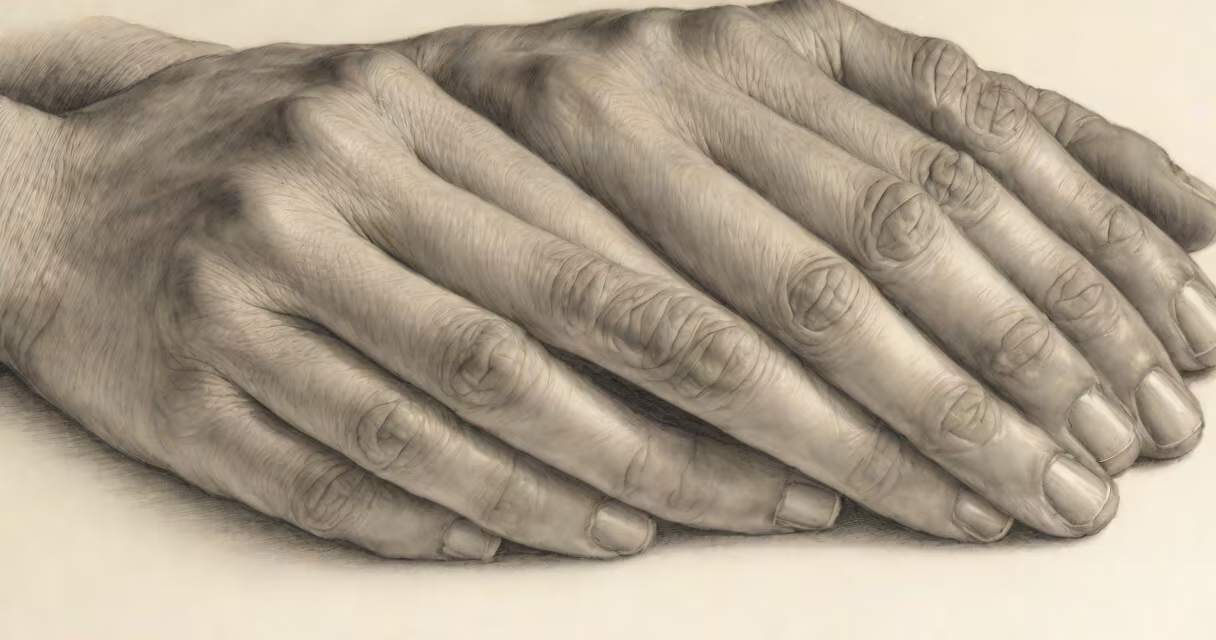
Swelling in the hands upon waking is a common symptom linked to fluid retention, inflammation, or systemic conditions such as rheumatoid arthritis or carpal tunnel syndrome. It typically resolves during the day but may indicate an underlying issue requiring medical evaluation.
Swelling occurs when excess fluid accumulates in tissues. During sleep, lying flat reduces circulation efficiency, especially in the extremities. This stagnation allows fluid to pool in the hands, particularly if venous return is compromised. The effect is most noticeable in the morning due to prolonged immobility and reduced lymphatic drainage overnight.
Common contributors include circulatory changes, hormonal fluctuations, and inflammatory diseases. For example, women experiencing premenstrual or menopausal hormone shifts report increased hand swelling. Individuals with hypothyroidism may develop myxedema, a condition where glycosaminoglycans build up in connective tissue, leading to puffy hands and face.
Fluid accumulation begins in capillaries and moves into interstitial spaces when pressure gradients shift. Gravity plays a role-lying down redistributes fluid toward the upper body and limbs. In healthy individuals, the lymphatic system clears this fluid during the day. But if the system is overwhelmed or impaired, swelling persists into the morning.
Conditions that impair lymphatic function-such as secondary lymphedema from surgery or radiation-can cause persistent swelling. Even mild dehydration during sleep may worsen fluid retention, as the body conserves sodium and water. Sodium intake above 2,300 mg/day increases fluid retention risk, according to the American Heart Association.
A 2021 study published in Arthritis & Rheumatology found that 68% of patients with early rheumatoid arthritis reported morning hand swelling as their first symptom. This swelling often accompanies stiffness lasting more than 30 minutes after waking, distinguishing it from mechanical joint pain.
Swelling in the hands upon waking falls into several categories based on origin:
| Type | Characteristics | Common Triggers |
|---|---|---|
| Edematous | Pitting (indent remains after pressing), soft tissue swelling | High salt intake, heart failure, kidney disease, pregnancy |
| Inflammatory | Warm, red, painful joints; stiffness lasting >1 hour | Rheumatoid arthritis, psoriatic arthritis |
| Neuropathic | Non-pitting, often asymmetric; associated with numbness or tingling | Carpal tunnel syndrome, diabetes-related neuropathy |
Edematous swelling is frequently linked to lifestyle factors. A single meal exceeding 5 grams of sodium can increase fluid retention within hours. People consuming processed foods regularly show higher rates of morning swelling compared to those on whole-food diets.
Inflammatory swelling is distinct because it's often symmetrical and affects multiple joints. Rheumatoid arthritis, an autoimmune disorder, attacks synovial membranes lining joints. The immune system mistakenly targets healthy tissue, causing chronic inflammation. This leads to joint damage and persistent swelling, especially in the small joints of the hands.
Neuropathic swelling arises from nerve compression. Carpal tunnel syndrome compresses the median nerve at the wrist. Symptoms include numbness, weakness, and swelling that doesn't pit. A 2020 study in Journal of Neurology showed that 40% of carpal tunnel cases presented with morning swelling before pain or numbness became dominant.
Many assume morning hand swelling is normal with aging. While mild swelling can occur due to reduced mobility, persistent or worsening swelling is not typical. It's incorrect to dismiss it as "just part of getting older."
Another misconception is that swelling always indicates injury or overuse. While repetitive strain can cause temporary swelling, it rarely presents exclusively in the morning. If swelling appears only upon waking and improves with activity, it suggests systemic rather than mechanical causes.
Consult a healthcare provider if swelling lasts more than a week, worsens over time, or is accompanied by other symptoms. Red flags include joint pain, fatigue, fever, weight loss, or skin rashes.
I observed this firsthand while treating a patient with undiagnosed rheumatoid arthritis. She reported daily morning swelling in her hands, initially attributing it to gardening. After six months, she developed joint deformities. Blood tests revealed elevated rheumatoid factor and anti-CCP antibodies. Early diagnosis prevented further joint damage.
Diagnostic steps usually begin with blood work-checking for C-reactive protein (CRP), erythrocyte sedimentation rate (ESR), and autoantibodies. Imaging like ultrasound or MRI may detect synovitis. Nerve conduction studies assess for carpal tunnel syndrome.
If swelling is bilateral and symmetric, especially with morning stiffness lasting over an hour, consider autoimmune conditions. If unilateral, evaluate for trauma, infection, or nerve entrapment. Persistent swelling despite rest, elevation, and reduced salt intake warrants imaging and specialist referral.
Managing morning hand swelling involves addressing root causes. For autoimmune diseases, disease-modifying antirheumatic drugs (DMARDs) reduce inflammation. For carpal tunnel, splinting and corticosteroid injections may help. Lifestyle changes-reducing sodium, elevating hands during sleep, wearing compression gloves-can ease symptoms.