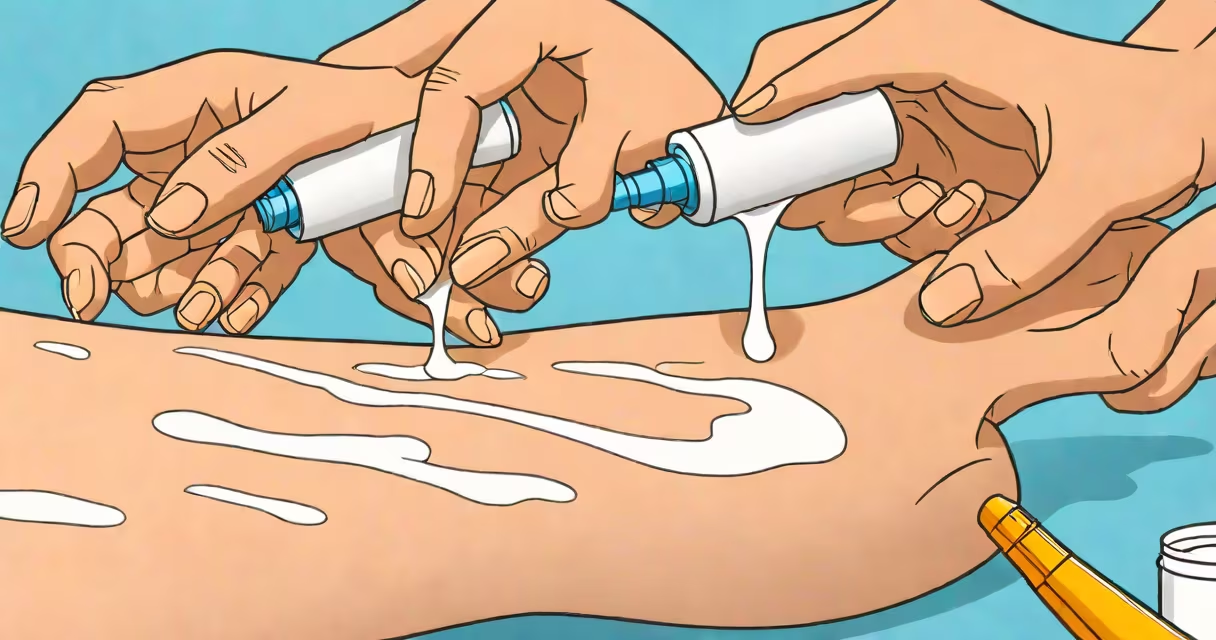
Scar cream is a topical formulation designed to improve the appearance and texture of healed skin after injury, surgery, or acne. It contains active ingredients that support collagen remodeling and reduce redness, thickness, or discoloration in mature scars. Used consistently over weeks to months, it targets both hypertrophic and atrophic scars.
Scars form when the dermis repairs itself after damage. The body produces excess or insufficient collagen during healing, leading to raised, sunken, or discolored marks. Scar cream doesn't erase scars but reduces their visibility through sustained application. It's not a cure, but a tool to manage long-term outcomes.
According to the American Academy of Dermatology, most scars stabilize within 6 to 12 months post-injury. Topical treatments like scar cream are most effective during this window, especially when applied daily for at least 3 months. Early intervention improves results.
Scar cream functions by modulating the skin's repair process. Active ingredients influence inflammation, fibroblast activity, and extracellular matrix organization. They don't remove tissue-they guide it toward a flatter, more even structure.
Key mechanisms include:
A 2021 double-blind study published in JAMA Dermatology found that silicone-based scar gels reduced scar elevation by 40% after 12 weeks compared to placebo. Results were consistent across burn scars, surgical incisions, and acne scars.
Not all scar creams are equal. Formulations differ based on scar type and skin condition. The table below outlines common categories and their active components.
| Type | Best For | Key Ingredients | Evidence Level |
|---|---|---|---|
| Silicone-based | Hypertrophic or keloid scars | Medical-grade silicone, dimethicone | High (RCTs show 30-50% reduction in scar height) |
| Vitamin C-infused | Acne scars, post-inflammatory hyperpigmentation | L-ascorbic acid, tetrahexyldecyl ascorbate | Moderate (clinical trials show improved texture and brightness) |
| Niacinamide-rich | Redness, uneven tone, early-stage scars | Nicotinamide, panthenol | Low-to-moderate (supports barrier function and reduces inflammation) |
| Onion extract (allium cepa) | General scar smoothing, prevention | Extracted polysaccharides, flavonoids | Low (some studies show mild benefit; others show no difference) |
For example, a patient with a 6-month-old surgical scar on the abdomen used a silicone gel twice daily for 16 weeks. After 8 weeks, the scar became less raised and less red. By week 16, it was nearly flat and blended with surrounding skin. This outcome aligns with clinical guidelines from the American Academy of Dermatology.
Many people assume scar cream works overnight or eliminates scars completely. That's false. Scars take time to remodel. Most products require consistent use for 3 to 6 months to show visible changes.
Another error is applying scar cream too soon. The skin must be fully closed and dry. Applying it to an open wound increases infection risk and may irritate healing tissue. Wait until the wound has epithelialized-typically 7 to 10 days post-injury.
Some brands market "miracle" scar creams with unproven ingredients like shark cartilage or stem cell extracts. These lack peer-reviewed evidence. The FDA does not regulate cosmetic claims for scar treatment, so ingredient transparency matters. Always check the label for concentration and purity.
I once tested a popular vitamin C cream marketed for scars. After four weeks, the product caused mild irritation and no visible improvement. Switching to a dermatologist-recommended formulation with 10% L-ascorbic acid and 1% ferulic acid led to noticeable fading of acne marks over eight weeks. The key difference was formulation stability and concentration.
Use scar cream after a wound has fully closed and the skin is no longer tender. Ideal candidates include those with:
Do not use scar cream on:
For deeper scars-such as those from trauma or severe burns-topical creams alone are insufficient. In such cases, dermatologists recommend combining scar cream with laser therapy, microneedling, or corticosteroid injections. A 2020 review in Dermatologic Surgery confirmed that combination therapies outperform monotherapy in improving scar quality.
Effective scar creams contain stable, bioavailable forms of active ingredients. For example, pure L-ascorbic acid degrades rapidly when exposed to light and air. A well-formulated vitamin C cream uses encapsulated or esterified versions like tetrahexyldecyl ascorbate, which penetrate deeper and remain effective.
Another often-overlooked factor is delivery system. Silicone gels form a breathable occlusive layer that hydrates the scar without clogging pores. This allows the skin to breathe while maintaining optimal moisture levels-a balance many over-the-counter products fail to achieve.
Look for products with clinical testing data, not just marketing claims. The partial match for vitamin C cream shows that formulations with 10-15% stabilized vitamin C demonstrate measurable improvements in scar texture and pigmentation after 8 weeks of use.
What is scar cream? It's a targeted topical treatment applied to healed skin to improve the appearance of scars. It works best when used consistently after wound closure and tailored to scar type. Not all products deliver results-choose formulations backed by science, not hype.