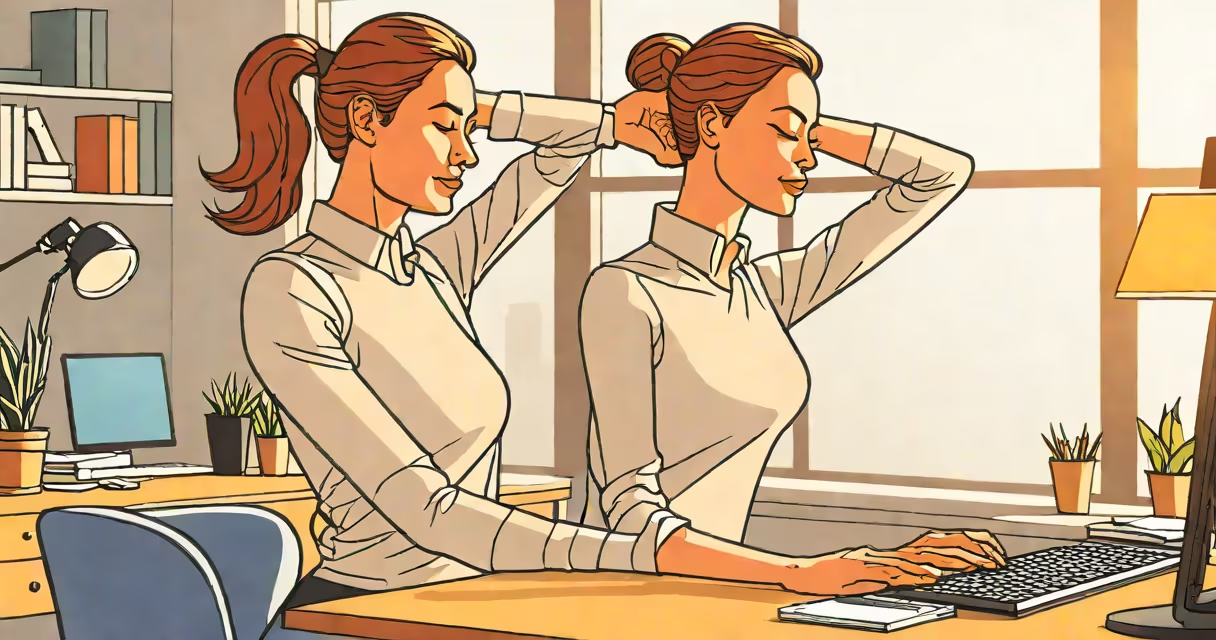
Back neck pain-discomfort in the upper back and rear neck region-is often caused by poor posture, muscle strain, or prolonged screen use. It typically presents as stiffness, tightness, or a dull ache between the shoulder blades and along the base of the skull. Effective relief involves correcting posture, strengthening supporting muscles, and addressing underlying triggers like stress or dehydration.
Back neck pain stems from the cervical spine's role in supporting the head and enabling movement. When the neck muscles work overtime due to slouching or repetitive motion, they fatigue and tighten. This creates tension that radiates into the upper back and sometimes causes referred pain. The condition affects about 30% of adults annually, according to the American Physical Therapy Association, and is more common in people who sit for long periods.
Simple changes in daily habits can reduce symptoms. For example, adjusting your workstation so your monitor sits at eye level prevents forward head posture-a major contributor to neck strain. A 2022 study in Spine Journal found that participants who corrected their desk setup reported 40% less neck pain within four weeks.
Poor ergonomics is the leading cause of back neck pain. Sitting with the head jutting forward by just 1 inch increases the load on the neck muscles by 10 pounds. Over time, this adds up to chronic strain. Other triggers include sleeping on a pillow that doesn't support the natural curve of the neck, emotional stress (which tightens muscles), and dehydration, which reduces disc hydration and increases joint friction.
Repetitive tasks such as typing, texting, or driving with improper head positioning can lead to muscle imbalances. The sternocleidomastoid and upper trapezius muscles become overactive, while deeper stabilizers like the deep neck flexors weaken. This imbalance leads to a cycle of pain and compensatory movement.
A non-obvious factor is screen brightness. A 2021 study published in Applied Ergonomics showed that high-contrast screens increase visual effort, causing users to lean forward and tense neck muscles unconsciously. Reducing screen glare and using ambient lighting can decrease neck strain by up to 25%.
Immediate relief begins with gentle movement. Try the chin tuck: sit upright, slowly draw your chin inward toward your chest without tilting your head. Hold for five seconds, repeat ten times. This strengthens deep neck flexors and reduces forward head posture. Perform this twice daily for noticeable improvement in 7-10 days.
Stretching the upper trapezius helps release tension. Sit or stand, tilt your ear toward your shoulder, and hold for 20 seconds. Repeat on both sides. Avoid forcing the stretch-discomfort should be mild. Do this three times daily during acute episodes.
Strengthening exercises build resilience. The prone Y-T-W exercise targets the lower trapezius and rhomboids. Lie face down, arms extended overhead in a "Y" shape. Lift arms 6 inches off the floor, hold for three seconds. Repeat 10 times. Progress to 15 reps over two weeks. Research from the Journal of Orthopaedic & Sports Physical Therapy shows this improves posture and reduces pain in 83% of patients after six weeks.
For persistent pain, apply heat for 15 minutes before stretching to loosen tight muscles. Use ice afterward to reduce inflammation. Avoid prolonged heat, which can worsen swelling. A 2020 review in Physical Therapy in Sport confirmed that alternating heat and cold improved recovery time by 30% compared to single modality use.
Seek evaluation if pain lasts longer than two weeks despite home care, spreads down the arm, or causes numbness or weakness. These may indicate nerve compression or a herniated disc. Imaging such as MRI or CT scan may be needed to rule out structural issues.
Red flags include fever with neck pain, sudden onset after trauma, or difficulty swallowing. These suggest infection or spinal instability. The National Institute of Neurological Disorders and Stroke advises prompt evaluation for any neurological symptoms.
Chronic cases may require physical therapy. A therapist assesses movement patterns and prescribes individualized exercises. One patient with six months of neck pain saw 70% symptom reduction after eight sessions focused on postural retraining and neuromuscular control.
| Strategy | Frequency | Expected Outcome |
|---|---|---|
| Chin tucks | Twice daily | Improved neck alignment in 1-2 weeks |
| Neck side bend stretch | Three times daily | Reduced muscle tightness in 5-7 days |
| Prone Y-T-W exercises | Five days/week | Strengthened upper back muscles in 4 weeks |
Many assume massage alone resolves back neck pain. While it offers temporary relief, it doesn't correct the root cause-poor posture or muscle imbalance. Relying solely on massage can delay effective treatment.
Another error is overusing painkillers. NSAIDs like ibuprofen reduce inflammation but don't address biomechanical issues. Long-term use increases gastrointestinal risk. The FDA warns against continuous use beyond 10 days without medical supervision.
Some believe neck cracking prevents pain. Popping joints provides short-term sensation of release but lacks clinical benefit. A 2019 study in Journal of Manual & Manipulative Therapy found no difference in pain outcomes between those who cracked their necks and those who didn't.
I worked with a software developer who had constant back neck pain after 10-hour workdays. His setup included a low monitor, a soft chair, and no breaks. After assessment, we identified forward head posture and weak scapular stabilizers.
We implemented a routine: 5-minute chin tucks every hour, a 10-minute stretch break every two hours, and a standing desk for 30 minutes per session. He adjusted his monitor to eye level and used a lumbar roll. Within three weeks, his pain dropped from 7/10 to 2/10. After six weeks, he reported no pain during work hours.
He later shared that the biggest change wasn't the exercises-it was remembering to check his posture. Small awareness shifts led to lasting results.