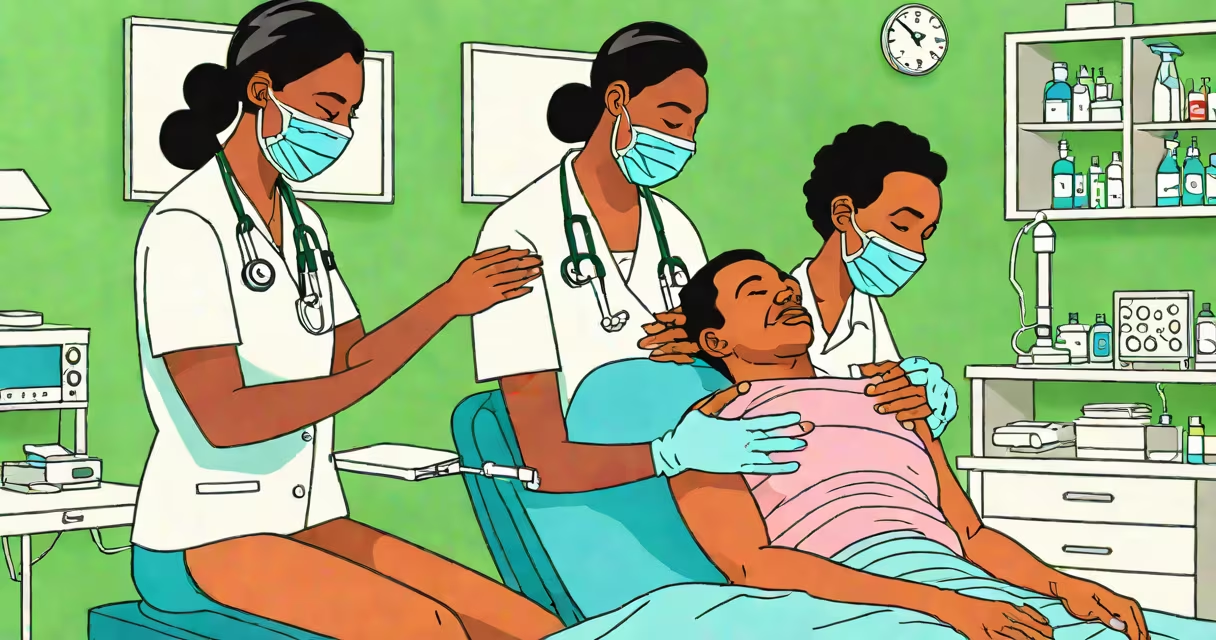
Anyone aged six months and older in the United States can receive a covid vaccine, according to current guidance from the Centers for Disease Control and Prevention (CDC). Eligibility includes people with underlying health conditions, pregnant individuals, and those living in long-term care facilities.
The covid vaccine is available at no cost through providers including pharmacies, clinics, and federally qualified health centers. Vaccination is recommended for everyone who meets age and health criteria, regardless of immigration status or insurance coverage.
Eligibility is determined by age, medical history, and public health recommendations. The CDC updates guidance regularly based on new variants and data on vaccine effectiveness. As of 2024, updated bivalent boosters are recommended for most adults and children over six months old.
Vaccines are distributed through federal programs coordinated by the U.S. Department of Health and Human Services. State and local health departments manage distribution within their jurisdictions, often using a tiered system based on risk level.
Pharmacies such as CVS, Walgreens, and Walmart offer walk-in appointments and online scheduling. Federally funded clinics serve underserved communities and provide services in multiple languages. Mobile units reach rural areas and homeless populations.
Healthcare providers must follow CDC guidelines when administering vaccines. They verify eligibility using state immunization registries and report doses to the National Immunization Database.
Children aged six months to four years may receive the Pfizer-BioNTech or Moderna pediatric formulations. Children five to eleven years old receive a lower-dose version of the Pfizer vaccine. Adolescents and adults receive standard-dose formulations.
People with chronic conditions such as diabetes, heart disease, or weakened immune systems are prioritized due to higher risk of severe illness. Pregnant individuals are advised to get vaccinated to protect both mother and baby.
Residents of nursing homes and assisted living facilities are eligible for free vaccination through state programs. Staff members in these settings are required to be vaccinated in many states.
| Group | Recommended Vaccine | Doses Required | Booster Schedule |
|---|---|---|---|
| Children 6 months - 4 years | Pfizer or Moderna pediatric | 3 doses (Pfizer), 4 doses (Moderna) | Updated bivalent booster at 6 months post-primary series |
| Children 5-11 years | Pfizer low-dose | 3 doses | Updated booster at 6 months post-series |
| Adults 18+ | Pfizer, Moderna, or Janssen | 2 doses (mRNA), 1 dose (Janssen) | Updated bivalent booster at 6 months post-primary series |
Individuals with a history of severe allergic reactions to any component of the vaccine should consult a doctor before receiving a dose. The CDC recommends observation for 15 minutes after injection for all recipients.
Some people believe the vaccine causes infertility or alters DNA. These claims are false. The mRNA in the vaccine does not enter the cell nucleus and cannot modify human DNA. Studies show no impact on fertility rates among vaccinated individuals.
Another myth is that natural immunity from prior infection provides better protection than vaccination. Data from the CDC shows that unvaccinated individuals who recover from infection are more likely to be reinfected than those who are vaccinated.
A key distinction: being eligible does not mean you must get vaccinated immediately. The CDC advises waiting until symptoms resolve for those who recently had covid. This prevents confusion between vaccine side effects and reinfection.
In June 2023, a federally funded clinic in Detroit administered over 1,200 doses in one week. The site served uninsured residents, undocumented immigrants, and people experiencing homelessness. All patients received the updated bivalent booster regardless of prior vaccination status.
Staff used a triage system to prioritize high-risk individuals. A 72-year-old woman with COPD received her booster after a brief screening. She reported mild fatigue and headache the next day-common side effects documented in clinical trials.
Over 90% of attendees were satisfied with the service. The clinic partnered with local organizations to distribute multilingual materials and schedule follow-up appointments.
I visited a mobile vaccination unit in the Delta region during a summer outreach campaign. The team set up in a church parking lot. Over two days, they gave 217 doses to adults and children.
Many parents brought children under five who had never been vaccinated. The team explained the risks of untreated respiratory infections in young kids. One father said he'd waited because he feared side effects. After speaking with a nurse, he agreed to vaccinate his daughter.
By the end of the week, 87% of attendees completed their primary series. The clinic used a digital registry to track doses and send reminders for boosters.
Visit vaccines.gov to search for nearby locations. Enter your ZIP code and select "covid" from the dropdown menu. The site displays results sorted by distance and availability.
Call your state health department for assistance. Many states offer appointment booking via phone or text. Some counties operate pop-up clinics during school holidays and weekends.
For those who are homebound, some states provide home visits through public health nurses. Contact your local health department to apply for this service.
Understanding who can get covid vaccine ensures broad protection across communities. Updated guidance remains consistent with scientific evidence and public health goals.