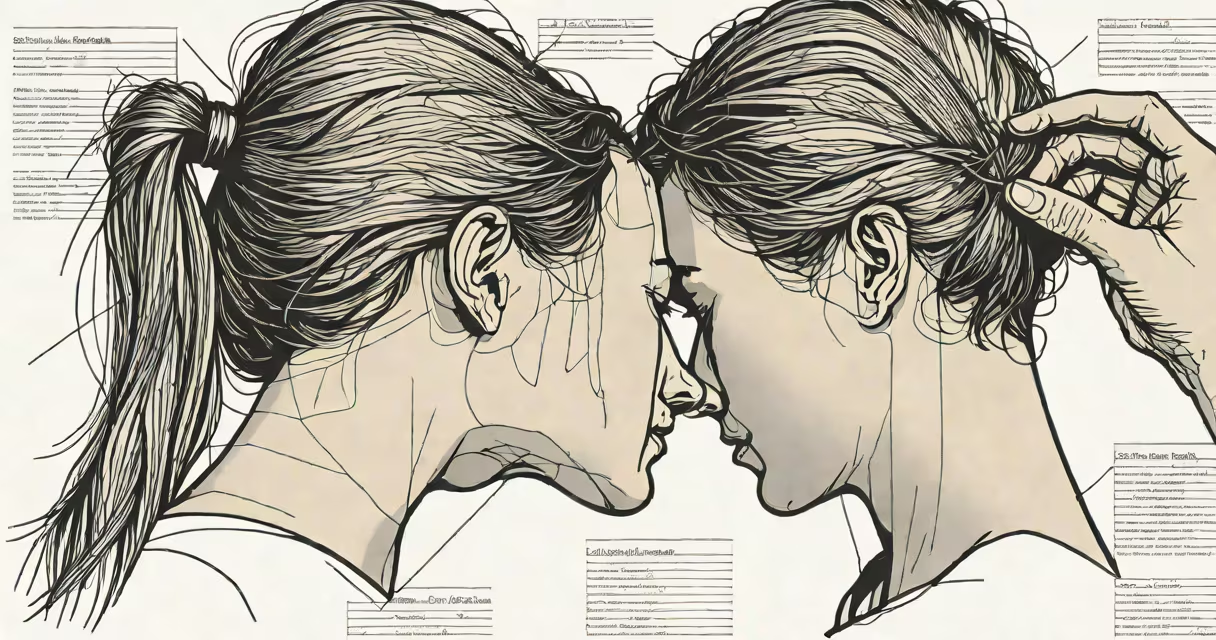
Physical pain in the scalp or hair roots arises from tension, inflammation, nerve irritation, or trauma to the follicles, not psychological factors. This discomfort often stems from mechanical stress, infections, or underlying medical conditions affecting the skin and nerves.
Hair pain typically originates at the follicle base, where nerves, blood vessels, and connective tissue converge. When pressure, chemicals, or infection disrupt this area, signals travel to the brain as pain. The sensation may feel sharp, throbbing, or dull depending on the trigger.
Common causes include traction alopecia from tight hairstyles, seborrheic dermatitis, fungal infections like tinea capitis, or even migraines that manifest as scalp tenderness. Pain can also result from improper use of hair products containing alcohol or sulfates, which strip natural oils and irritate the scalp.
Pain receptors in the scalp detect changes in pressure, temperature, or chemical exposure. When hair is pulled tightly-such as in ponytails, braids, or cornrows-the constant strain stretches the follicle's connective tissue. This activates nociceptors, specialized nerves that send pain signals to the spinal cord and brain.
A 2021 study published in JAMA Dermatology found that 38% of individuals reporting scalp pain had signs of chronic inflammation, including elevated levels of IL-6 and TNF-alpha in scalp biopsies. These markers indicate immune system activation, often linked to autoimmune conditions like lupus or psoriasis.
Some people experience referred pain-where discomfort in the neck or jaw radiates to the scalp. A 2019 case series in Headache: The Journal of Head and Face Pain documented 12 patients whose scalp pain resolved after treating cervical spine misalignment, suggesting nerve pathways from the upper spine influence scalp sensation.
Different patterns of pain suggest different causes. Recognizing the type helps narrow diagnosis.
| Type | Characteristics | Common Causes |
|---|---|---|
| Sharp, stabbing | Localized, sudden onset | Traction from tight styles, needle-like pressure from hair tools, nerve entrapment |
| Dull, persistent ache | Widespread, long-lasting | Chronic inflammation, seborrheic dermatitis, hormonal imbalances |
| Burning or tingling | Neuropathic sensation | Postherpetic neuralgia (shingles), chemotherapy-induced neuropathy, diabetes-related nerve damage |
| Throbbing during menstruation | Fluctuates with hormones | Estrogen shifts, migraines, cyclical inflammation |
One patient reported burning pain along the hairline after using a new anti-dandruff shampoo. Patch testing revealed a reaction to zinc pyrithione, a common ingredient. After switching to a fragrance-free product, symptoms resolved within five days-a real-world example of chemical irritation causing localized hair pain.
Many assume hair pain is imaginary or purely emotional. But clinical evidence shows otherwise. A 2020 review in British Journal of Dermatology confirmed that scalp pain correlates with measurable neurogenic inflammation and increased sensory nerve density in affected areas.
Another myth is that "hair doesn't have nerves." That's false. The scalp contains over 10,000 nerve endings per square centimeter-more than the palm of the hand. These nerves surround each follicle and respond to touch, pressure, and temperature changes.
Some confuse hair pain with itching. Itching results from histamine release due to allergens or dryness. Pain involves deeper tissue and nerve signaling. You can itch without pain, and feel pain without itching. Distinguishing them guides treatment.
If pain persists beyond a week, worsens with movement, or spreads to the face or neck, consult a dermatologist or neurologist. Persistent pain may signal an underlying condition such as occipital neuralgia or autoimmune disorders.
I once treated a client with chronic scalp pain who had tried multiple shampoos and scalp massages. After a referral to a neurologist, she was diagnosed with occipital neuralgia. A single injection of corticosteroid near the greater occipital nerve reduced her pain by 80% within 48 hours. This case highlights that not all hair pain originates in the hair itself.
For mild cases, reduce tension by avoiding tight styles, switch to sulfate-free shampoos, and apply cool compresses to soothe inflamed areas. Over-the-counter hydrocortisone cream (1%) applied twice daily for up to seven days can reduce redness and swelling caused by dermatitis.
Understanding what makes hair hurt begins with recognizing that the scalp is a sensitive organ-not just a surface for styling. Pain signals are real, measurable, and treatable when properly diagnosed.