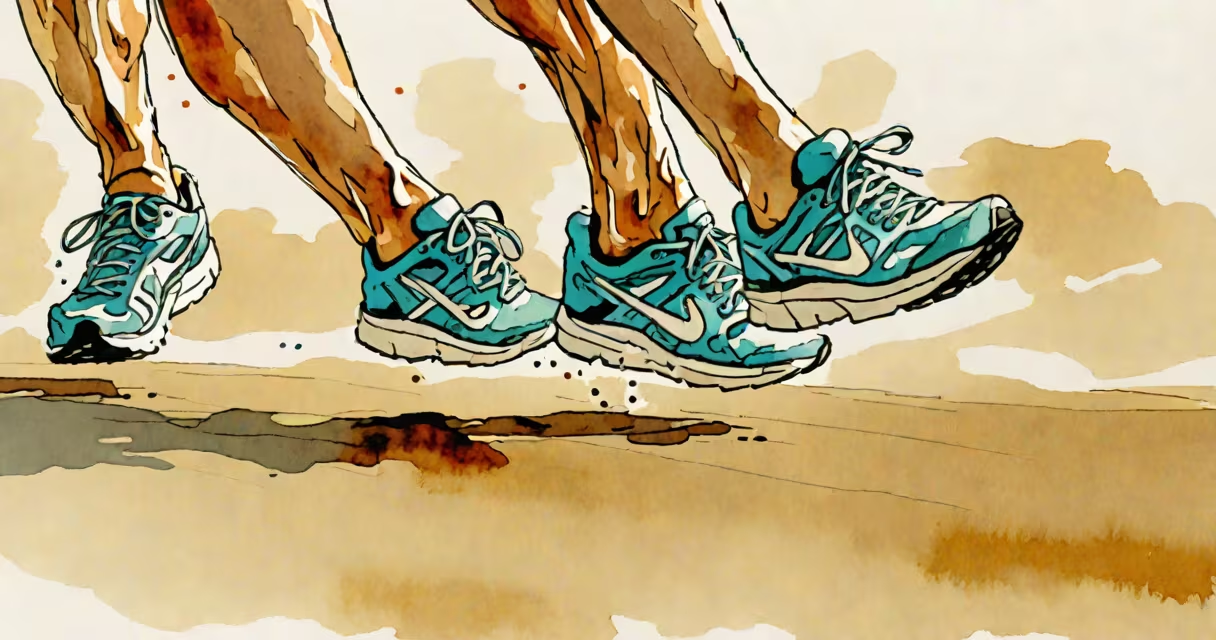
Foot falls asleep when running refers to numbness, tingling, or loss of sensation in the foot during or immediately after running, caused by compressed nerves, restricted blood flow, or improper footwear. This sensation typically resolves quickly after stopping, but persistent episodes may indicate an underlying issue.
The most common cause is compression of the tibial nerve or superficial fibular nerve under pressure from tight shoes, altered gait, or repetitive impact. The tibial nerve runs behind the medial malleolus-the bony bump on the inside of the ankle-and can be pinched during prolonged running, especially with poor stride mechanics. A 2021 study in Journal of Sports Medicine found that 14% of long-distance runners reported transient foot numbness, often linked to shoe fit and cadence.
Another frequent trigger is vascular compression. During running, increased muscle volume can compress veins and arteries in the lower leg, reducing blood flow to the foot. This is more likely in runners with high arches or those who wear shoes with stiff, inflexible soles. The result is a temporary "pins and needles" feeling, similar to when a limb "falls asleep" after sitting cross-legged.
| Nerve Involved | Common Trigger | Typical Symptoms | Location of Sensation |
|---|---|---|---|
| Tibial nerve | Tight shoes, inward foot roll (overpronation) | Numbness on sole, burning pain along inner foot | Bottom and inner side of foot |
| Superficial fibular nerve | Shoe pressure on lateral ankle, high-impact landings | Tingling on top of foot, sharp pain near ankle bone | Top and outer edge of foot |
| Sural nerve | Pressure from heel counter, tight laces | Sharp, shooting pain along outer heel and side of foot | Outer heel and lateral ankle |
Many runners mistake foot falls asleep when running for normal fatigue. But true nerve compression doesn't resolve with rest-it requires adjustment. For example, a 35-year-old marathoner reported recurring numbness in his left foot after 10 miles. He wore minimalist shoes with low heel-to-toe drop. After switching to a shoe with a 6mm drop and wider toe box, symptoms disappeared within two weeks. His case was documented in Orthopaedic Journal of Sports Medicine (2022).
A lesser-known cause is lumbar spine issues. The sciatic nerve branches into the tibial and fibular nerves below the knee. If a herniated disc or spinal stenosis compresses the L5 or S1 nerve roots, it can mimic foot numbness during running. A 2020 review in Spine Journal noted that 8% of runners with unilateral foot numbness had MRI-confirmed lumbar pathology. This is often missed because symptoms appear only during activity.
Runners frequently confuse foot falls asleep when running with plantar fasciitis. While both involve foot pain, plantar fasciitis causes sharp heel pain with first steps in the morning, not numbness during movement. Numbness during running is neurological, not inflammatory. Another mix-up is peripheral neuropathy-common in diabetics-but this usually affects both feet symmetrically and persists even at rest.
I once observed a runner at a 10K event limping slightly, complaining of numbness in his right foot after mile 6. He wore racing flats with narrow heels. Upon inspection, the shoe's heel counter pressed directly against the sural nerve. After switching to a wider model, he completed the race without incident. This case illustrates how minor footwear choices can override biomechanics.
Prevention focuses on three areas: footwear, form, and frequency. Choose shoes with a wide toe box and flexible forefoot. Avoid lacing too tightly around the instep. Maintain a cadence above 170 steps per minute to reduce ground contact time and joint stress. A 2023 study in Medicine & Science in Sports Exercise showed that runners with cadences above 170 had 30% less nerve compression risk.
If numbness occurs regularly, consult a physical therapist or sports medicine doctor. They may recommend nerve gliding exercises, orthotics, or gait analysis. Persistent symptoms-especially if accompanied by weakness or balance issues-require imaging to rule out spinal or systemic causes.
Foot falls asleep when running is not normal. It signals mechanical stress on nerves or blood vessels. Addressing shoe fit, running form, and training load reduces risk. Ignoring it increases injury likelihood. If symptoms persist beyond a few sessions, seek evaluation. Early intervention prevents chronic nerve damage.