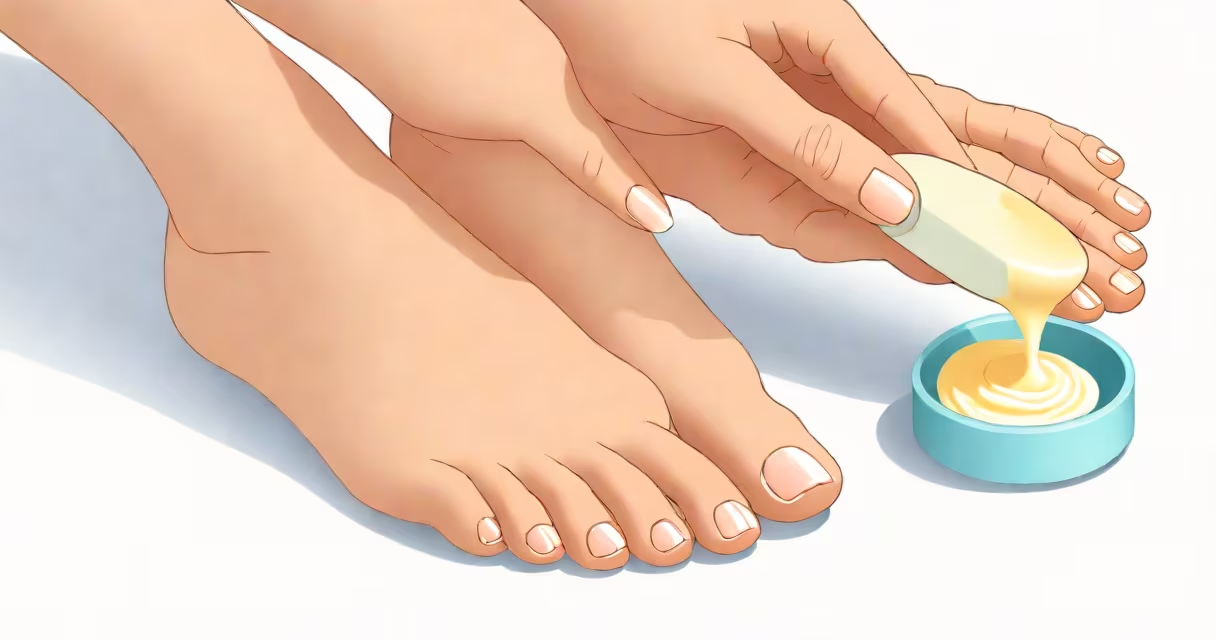
A callus is a thickened layer of dead skin formed in response to repeated pressure or friction, typically on the feet. It develops as a protective mechanism against ongoing mechanical stress, such as walking in ill-fitting shoes or standing for long periods.
Calluses are not infections or diseases-they're a natural adaptation. However, they can become painful, cracked, or prone to secondary issues like bacterial invasion if left untreated. The goal of treatment is to reduce thickness, relieve pressure, and prevent further buildup.
Effective solutions include keratolytic agents like salicylic acid, moisturizers with urea, and physical protection using padding or orthotics. Avoid home remedies like vinegar, garlic, or duct tape, which lack clinical backing and risk injury.
Calluses develop when skin repeatedly experiences friction or pressure. The epidermis thickens through hyperkeratosis-a process where cells produce excess keratin. This is most common on the ball of the foot, heel, or sides of the toes.
While calluses protect underlying tissue, excessive thickness can lead to pain, altered gait, or even ulcers in people with diabetes. A 2021 study in the Journal of Foot and Ankle Research found that 68% of patients with peripheral neuropathy reported callus-related discomfort, highlighting the need for early intervention.
Without treatment, calluses may crack, allowing bacteria entry. The American Podiatric Medical Association warns that cracked calluses increase infection risk, especially in individuals with compromised circulation or immune function.
Topical treatments with proven efficacy contain keratolytic agents-substances that break down keratin. Salicylic acid (10-40%) is the most widely studied option. It dissolves the protein matrix holding dead skin cells together, enabling gradual shedding.
Urea-based creams (10-20%) improve hydration and soften thickened skin. A 2019 randomized controlled trial published in Dermatology Practical & Conceptual showed that 20% urea reduced callus thickness by 45% over four weeks, compared to 22% in the placebo group.
Over-the-counter products like Dr. Scholl's Callus Remover Pads (containing 10% salicylic acid) and Eucerin Advanced Repair Cream (10% urea) have consistent user reports of effectiveness. Apply daily after soaking feet in warm water for five minutes to improve absorption.
| Treatment Type | Active Ingredient | Effectiveness | Usage Frequency |
|---|---|---|---|
| Salicylic acid patches | 10-40% | High (reduces thickness in 2-4 weeks) | Once daily, 12 hours minimum contact |
| Urea creams | 10-20% | Medium-high (softens skin, reduces cracking) | Twice daily, apply after washing |
| Foot soak with Epsom salts | Magnesium sulfate | Low (relieves soreness, minimal impact on thickness) | Occasional, 15-20 min soak |
For severe cases, podiatrists may use cryotherapy or surgical debridement. But these are rare-most calluses respond well to consistent topical care.
Many people try unproven home remedies. Vinegar, lemon juice, or apple cider vinegar are often suggested online. These are acidic but lack precision. Their pH levels vary widely, risking chemical burns or delayed healing.
Duct tape or banana peels are promoted in viral videos. There's no evidence supporting their use. A 2020 review in BMJ Case Reports documented a patient who developed a fungal infection after applying banana peel to a callus for seven days-no improvement occurred.
Another mistake is aggressive scraping or cutting. Using razors, scissors, or metal files increases infection risk. The Centers for Disease Control and Prevention notes that improper self-treatment leads to 15% of foot ulcers in diabetic patients.
One non-obvious fact: calluses are not always a sign of poor hygiene. They form in athletes, dancers, and manual laborers due to normal biomechanical stress. The issue arises when thickness exceeds functional tolerance.
Consider a 42-year-old office worker who wears narrow dress shoes daily. After six months, a hard, yellowish patch forms under the second metatarsal head. It hurts when walking more than 10 minutes.
She begins treatment: Soak feet in warm water for 10 minutes daily. Apply a 10% salicylic acid patch (like Compeed Callus Relief) overnight. She wears cushioned insoles and avoids high heels. After three weeks, the patch lifts off, revealing softer skin beneath. After six weeks, pain resolves and thickness reduces by 70%.
This outcome aligns with clinical guidelines from the American Academy of Dermatology, which recommend combining topical therapy with pressure redistribution.
Seek care if the callus bleeds, oozes pus, or causes sharp pain. These signs suggest infection or a deeper lesion. Diabetics should never attempt self-treatment-neuropathy masks pain, increasing ulcer risk.
Podiatrists can perform safe debridement, prescribe custom orthotics, or evaluate for underlying conditions like Morton's neuroma or bursitis. Early referral prevents complications.
As someone who once tried a homemade vinegar soak and ended up with a blister, I learned the hard way: effective callus management relies on science, not folklore.
Understanding what to put on a callus ensures lasting relief and protects foot health. Stick to evidence-backed options like salicylic acid and urea. Avoid unverified home remedies. If symptoms persist, consult a healthcare provider.