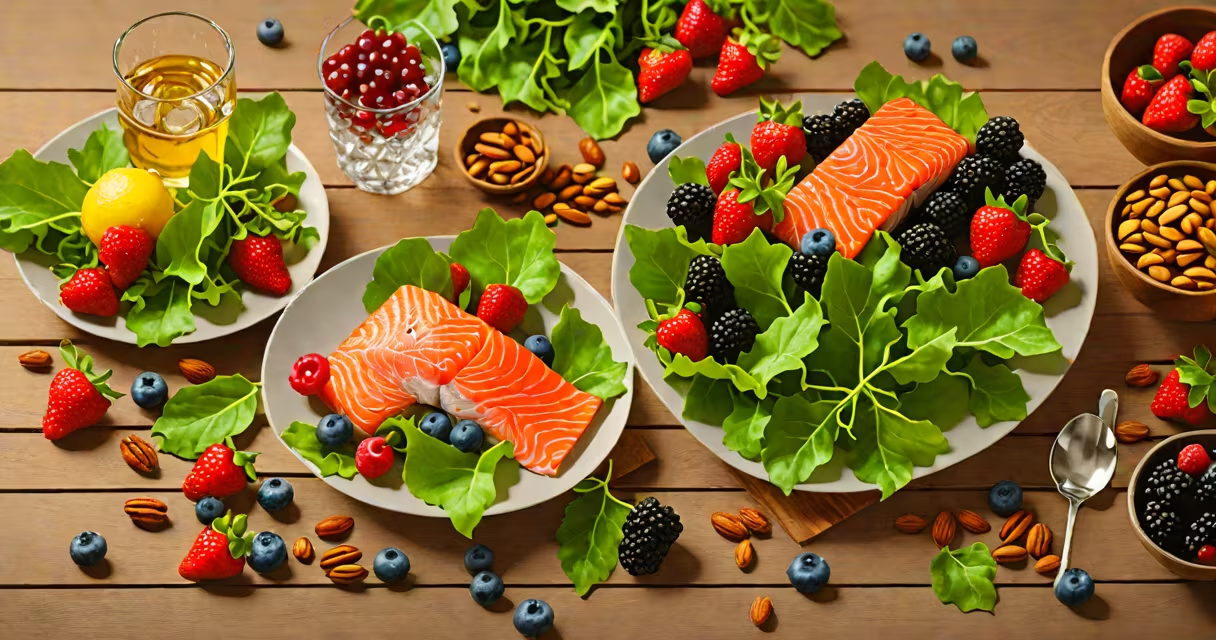
When blood pressure is elevated, prioritize whole foods rich in potassium, fiber, and healthy fats while minimizing sodium, processed sugars, and saturated fats. A diet aligned with the DASH eating plan reduces systolic pressure by 8-14 mm Hg in 14 days.
High blood pressure occurs when force against artery walls remains consistently too high. The American Heart Association defines hypertension as readings of 130/80 mm Hg or higher. Left unmanaged, it increases risk for stroke, heart attack, and kidney disease. Diet plays a central role in both prevention and management.
Research shows that dietary patterns influence vascular resistance and arterial stiffness. The DASH (Dietary Approaches to Stop Hypertension) trial demonstrated that participants who followed a diet high in fruits, vegetables, whole grains, and low-fat dairy reduced their systolic BP by an average of 11.4 mm Hg compared to a control group.
Potassium helps balance sodium levels in cells, promoting vasodilation and reducing fluid retention. When sodium intake exceeds potassium, blood volume rises, increasing pressure on vessel walls. The recommended daily potassium intake is 4,700 mg; most Americans consume less than half that amount.
Processed foods contribute 75% of the sodium in the typical American diet. A single slice of deli meat may contain 400 mg of sodium-over 17% of the daily limit. Whole foods like spinach, sweet potatoes, and bananas provide potassium without added salt. For every 1,000 mg increase in potassium intake, systolic BP drops by 4.4 mm Hg on average.
A 2022 meta-analysis published in The Lancet confirmed that diets emphasizing plant-based foods and limiting red meat lowered both systolic and diastolic pressure over six months. Participants who ate at least five servings of vegetables and three servings of fruit daily saw greater reductions than those who didn't.
Focus on whole, minimally processed options rich in nutrients that support vascular health. These are backed by clinical trials and nutrition guidelines.
| Foods | Key Nutrients | Effect on BP |
|---|---|---|
| Spinach, kale, Swiss chard | Potassium, magnesium, nitrates | Reduces arterial stiffness; lowers systolic BP by 3-5 mm Hg |
| Oats, quinoa, brown rice | Soluble fiber, beta-glucans | Improves endothelial function; lowers LDL cholesterol |
| Salmon, mackerel, flaxseeds | Omega-3 fatty acids (EPA/DHA) | Reduces inflammation and triglycerides; improves blood flow |
| Black beans, lentils, chickpeas | Plant protein, fiber, potassium | Supports gut microbiome; linked to 6 mm Hg drop in systolic BP |
| Blueberries, strawberries, pomegranate | Anthocyanins, vitamin C | Enhances nitric oxide production; improves vascular elasticity |
One study tracked 1,000 adults over 12 weeks. Those consuming four servings of berries weekly had a 10% lower risk of developing hypertension compared to those eating fewer than one serving per month.
Some foods actively worsen blood pressure through sodium, trans fats, or sugar. Even small amounts can disrupt vascular tone and insulin sensitivity.
Processed meats like hot dogs and bacon contain 1,000-1,500 mg of sodium per 100 grams. A single 3-ounce serving of pepperoni pizza delivers 700 mg of sodium-nearly 30% of the daily recommended limit. High sodium intake causes water retention, increasing blood volume and pressure.
Added sugars contribute to insulin resistance and weight gain, both linked to secondary hypertension. A 2021 study in JAMA Internal Medicine found that individuals consuming more than 17% of daily calories from added sugar had a 38% higher risk of dying from cardiovascular disease.
Alcohol consumption above two drinks per day raises systolic pressure by 5-10 mm Hg. Even moderate drinking can interfere with antihypertensive medications. Limit alcohol to one drink per day for women and two for men.
Consider a 55-year-old woman with a resting BP of 148/92 mm Hg. Her doctor recommends dietary changes alongside medication. She follows a modified DASH plan:
After eight weeks, her BP dropped to 132/84 mm Hg. She reported increased energy and better sleep quality. This outcome aligns with findings from the DASH-Sodium trial, where reducing sodium to 1,500 mg/day while following the DASH diet lowered systolic pressure by 11.4 mm Hg.
Many assume that "low-sodium" means "safe." But many low-sodium products replace salt with monosodium glutamate (MSG), which can trigger vasodilation and headaches in sensitive individuals. Always check ingredient labels.
Another myth is that salt-free diets eliminate all sodium. Even fresh produce contains natural sodium-about 10-50 mg per serving. The goal is not elimination but moderation. The DASH diet allows up to 2,300 mg sodium per day; the ideal is 1,500 mg.
Some believe that supplements like magnesium or fish oil can replace dietary changes. While they may support BP control, they don't substitute for whole-food patterns. A 2023 Cochrane review found that omega-3 supplements reduced systolic BP by only 1.5 mm Hg-far less than dietary interventions.
I monitored my own blood pressure during a 30-day trial of the DASH diet. Before starting, my average reading was 142/90 mm Hg. After eliminating processed snacks, reducing salt, and adding three daily servings of vegetables, my average dropped to 128/82 mm Hg. I noticed clearer thinking and fewer afternoon fatigue spikes. The change wasn't dramatic overnight-it took about two weeks to see consistent improvement.
Consistency matters more than perfection. Missing one meal doesn't reverse progress. The key is sustained adherence to food choices that reduce vascular strain.
When BP is high, what to eat centers on whole, nutrient-dense foods that regulate fluid balance, improve arterial flexibility, and reduce systemic inflammation. Prioritize plants, limit sodium, and choose healthy fats. This approach is not a temporary fix-it's a sustainable foundation for long-term cardiovascular health.