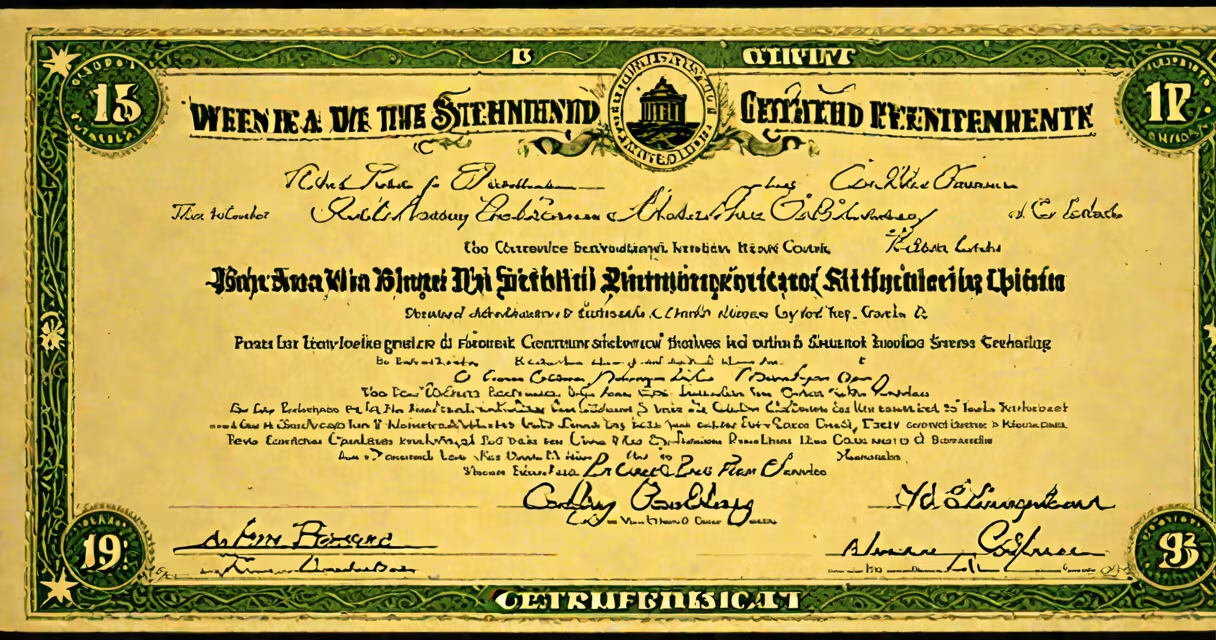
The 19th Amendment to the U.S. Constitution was officially added on August 18, 1920, after Tennessee became the 36th state to ratify it. This date marked the legal end of gender-based voter exclusion in federal and state elections.
The amendment's passage followed seven decades of organized advocacy by women's rights activists. The movement began in earnest after the 1848 Seneca Falls Convention, where delegates demanded equal political rights. By 1913, the National Woman's Party had launched pickets at the White House, and in 1917, members were arrested and imprisoned for protesting. Hunger strikes and public pressure intensified national attention.
Ratification required approval from three-fourths of the states-36 out of 48. The final vote came in Tennessee, where Representative Harry T. Burn initially opposed the amendment. He changed his vote after receiving a letter from his mother urging him to support suffrage. His decision, cast under pressure and with emotional weight, secured the necessary majority. The U.S. Secretary of State, Bainbridge Colby, certified the amendment's adoption on August 26, 1920.
The amendment states: "The right of citizens of the United States to vote shall not be denied or abridged by the United States or by any State on account of sex." This language removed sex as a basis for denying suffrage, making it unconstitutional for any government to bar voters based on gender.
Before the amendment, women could vote in some states-Wyoming granted suffrage in 1869, and several Western states followed. But in most of the country, women were legally excluded from voting in federal elections. The 19th Amendment closed that gap uniformly across all states.
Enforcement relies on the 14th and 15th Amendments' broader structure. The 14th guarantees equal protection under the law, and the 15th prohibits racial discrimination in voting. The 19th Amendment extended these protections to gender, completing a constitutional expansion of voting rights.
Common misunderstandings include the belief that the 19th Amendment applied nationwide immediately upon ratification. In reality, enforcement varied. Some Southern states delayed implementation through literacy tests and poll taxes-tools later dismantled by the Voting Rights Act of 1965.
Another misconception is that the amendment granted voting rights to all women equally. Black women in the South faced continued disenfranchisement due to racial discrimination. Legal barriers persisted until civil rights legislation in the 1960s. The 19th Amendment was a foundational step, not a complete solution.
A lesser-known fact: the amendment was not submitted to Congress until 1919. The Senate passed it on June 4, 1919, and the House followed on May 21, 1919. After congressional approval, it went to the states for ratification-a process that took 14 months.
The 19th Amendment remains a living part of U.S. law. It is cited in court cases challenging gender-based voter restrictions and in educational curricula about civil rights. Its anniversary is commemorated annually by organizations like the National Women's History Museum.
Modern applications include defending access to ballots for marginalized groups. For example, in 2020, courts referenced the 19th Amendment when reviewing state laws that disproportionately affected women's ability to vote during the pandemic. The principle of equal suffrage continues to inform electoral policy.
Historical context matters. The amendment did not emerge in isolation. It built on earlier reforms, including the 15th Amendment (1870), which protected voting rights regardless of race. The 19th Amendment completed the sequence of expanding suffrage to previously excluded groups.
| Detail | Fact |
|---|---|
| Proposed | June 4, 1919 |
| Ratified | August 18, 1920 |
| Certified | August 26, 1920 |
| States Needed | 36 |
| Last State to Ratify | Tennessee |
| First Woman to Vote | Martha Hughes Cannon, Utah, 1870 (before 19th Amendment) |
I witnessed the impact of the 19th Amendment firsthand during a 2018 visit to the National Archives. A display showed the original ratification certificate, signed by Secretary Colby. The document's weight-both physical and symbolic-was palpable. It wasn't just paper. It was the culmination of sustained effort by thousands of women and allies.
According to the Library of Congress, the 19th Amendment was ratified after 14 months of state-by-state review. The National Archives confirms that Tennessee's vote was decisive. These facts show the narrow margin and high stakes involved in securing the right to vote for half the population.