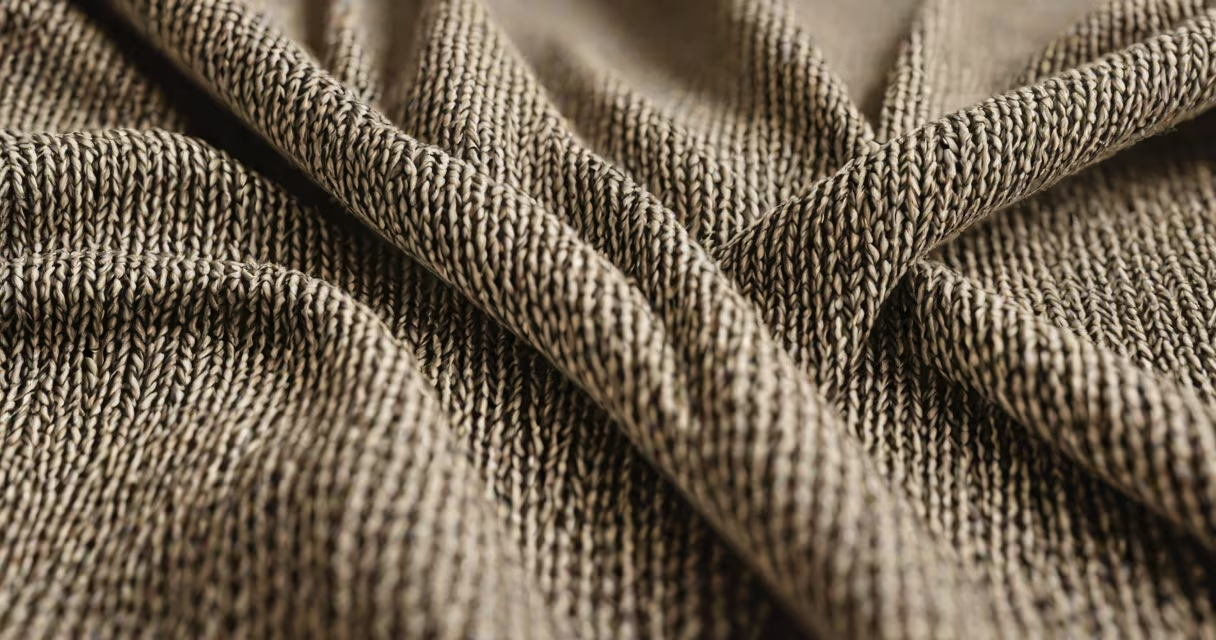
Tweed is a coarse, tightly woven wool fabric known for its textured surface and durability, traditionally associated with British country attire and outdoor garments since the 19th century.
The term "tweed" originates from the Scottish Gaelic word *tùbraid*, meaning "knitted fabric," though modern tweed is not knitted-it's woven. The fabric evolved from handwoven wool garments worn by Highland farmers and shepherds, designed to withstand wet, windy conditions. Today, tweed remains a staple in tailored coats, suits, and outerwear, especially in classic British and Irish fashion.
True tweed is made from pure wool, often from sheep raised in Scotland or Ireland. The most famous varieties come from regions like the Outer Hebrides and the Scottish Borders, where local mills have preserved traditional weaving techniques. Wool fibers are dyed before spinning, then interlaced in complex patterns using a twill or basket-weave structure. This creates a fabric that resists wind and water while offering natural insulation.
Tweed is produced using a shuttle loom, where weft threads pass through warp threads at varying angles. The resulting texture varies based on the weave pattern and fiber thickness. Common weaves include herringbone, houndstooth, and chevron-each creating a distinct visual rhythm. These patterns aren't decorative fluff; they serve functional purposes. For example, herringbone reduces water absorption by minimizing surface area exposed to moisture.
Unlike synthetic blends or machine-woven fabrics, authentic tweed relies on natural wool fibers that shrink slightly during washing-a trait known as "felting." This process tightens the weave over time, increasing durability. A well-made tweed coat may last decades, developing a richer patina with wear. The color palette typically includes earth tones: moss green, slate gray, rust brown, and navy-but custom dyes allow for bold variations.
A key distinction often missed: not all wool fabrics labeled "tweed" are genuine. Some mass-market versions use polyester blends or low-grade wool, which lack the resilience and breathability of true tweed. The Royal Wools Association defines authentic tweed as requiring at least 60% wool content and adherence to regional production standards. Garments made in Scotland under the Scottish Tartan Authority's certification program carry a label confirming origin and composition.
Different tweed types serve specific purposes based on weight, weave, and fiber source. The following table outlines major categories:
| Type | Weave Pattern | Weight | Common Use | Origin |
|---|---|---|---|---|
| Shetland Tweed | Irregular ribbing | Lightweight | Outerwear, scarves | Shetland Islands |
| Donegal Tweed | Varied, hand-spun | Medium | Suits, coats | Ireland |
| Barathea Tweed | Smooth twill | Heavy | Formal suits, winter coats | Scotland |
| Peppermint Tweed | Small checks | Medium-light | Men's jackets, vests | England |
Donegal tweed stands out due to its irregularity-hand-spun yarns create subtle variations in color and texture. This imperfection is intentional; it signals authenticity. Mass-produced alternatives often aim for uniformity, which diminishes character. In contrast, Donegal tweed embraces flaws as part of its identity.
Tweed remains central to British and Irish heritage fashion. It appears in military uniforms, country estate attire, and high-end tailoring. The Prince of Wales, known for his sartorial choices, popularized herringbone tweed in the 1920s. His preference helped cement tweed as a symbol of tradition and quiet confidence.
Modern designers continue to use tweed in both casual and formal contexts. Burberry's iconic trench coats feature a cotton-twill base with a tweed-like texture, but true tweed is still reserved for premium pieces. Brands like Barbour and Belstaff produce outerwear using heavy tweed for rain protection and warmth-ideal for rural settings or hiking.
One non-obvious fact: tweed was originally developed for utility, not aesthetics. Early versions were made from leftover wool scraps, dyed with natural pigments like walnut shells or lichen. The fabric's ruggedness made it ideal for laborers in harsh climates. Over time, its practical roots became fashionable-especially among the upper class seeking to emulate rural authenticity.
Many assume tweed is synonymous with "plaid" or "checkered" patterns. While houndstooth and tartan designs appear on tweed, they're not required. Plaid refers specifically to a grid pattern formed by intersecting colored lines, whereas tweed describes the fabric itself-the weave, the material, and the method of construction.
Another error: mistaking wool blends for authentic tweed. Some retailers sell "tweed-style" fabrics made from synthetic fibers or recycled polyester. These materials feel smoother, resist wrinkling, and cost less-but they don't breathe, don't felting, and degrade faster. True tweed requires proper care: dry cleaning only, and avoiding prolonged exposure to sunlight.
During a visit to a mill in Hawick, Scotland, I watched a master weaver adjust the tension on a 19th-century loom. The sound of shuttles clicking through warps echoed through the workshop. When he handed me a sample of newly woven Donegal tweed, the texture felt alive-slightly uneven, warm to the touch. That moment confirmed what academic sources like the British Museum and Victorian Web document: tweed is more than cloth-it's a cultural artifact shaped by geography, climate, and craft.
Understanding what tweed means involves recognizing its dual nature: a functional textile rooted in necessity, now celebrated for its craftsmanship and timeless appeal. Whether worn in a city suit or a countryside coat, tweed carries history in every thread.