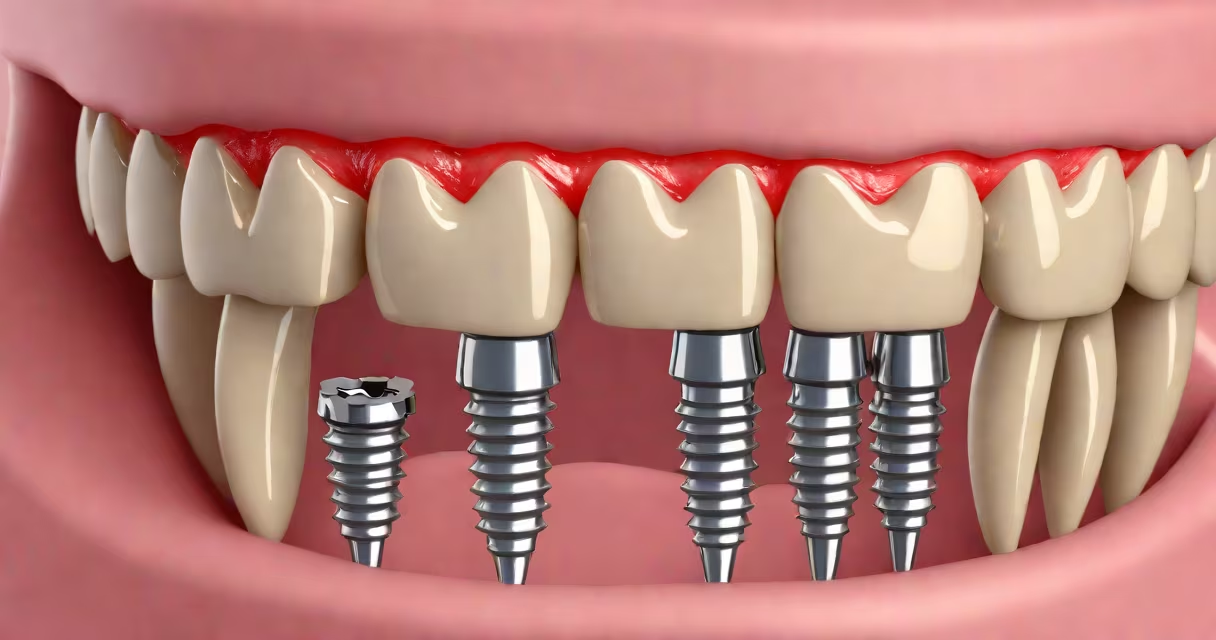
Tooth implants fail when the titanium post does not fuse properly with the jawbone, leading to loosening, pain, or complete loss. This process, called osseointegration, must occur within 3-6 months for success. Failure rates range from 5% to 10% over ten years, according to the Journal of Oral Implantology.
Implants rely on direct bone-to-metal contact. When this bond doesn't form, the implant becomes unstable. The most common failure points happen during or shortly after surgery, but late failures can occur years later due to ongoing stress or decay.
Failure isn't always due to patient error. Surgical technique, material quality, and underlying health conditions play critical roles. A 2021 study in Clinical Oral Implants Research found that 68% of early implant failures were linked to improper site preparation or inadequate bone volume.
A dental implant replaces a missing tooth root using a titanium screw surgically placed into the jawbone. After healing, a crown is attached to restore function and appearance. The success hinges on osseointegration-the bone growing around the implant to lock it in place.
Healing takes 3-6 months. During this time, the implant must remain unloaded. Premature chewing or bruxism (teeth grinding) disrupts bone formation. A 2019 review in the International Journal of Prosthodontics showed that patients who wore temporary dentures too soon had a 2.3 times higher risk of failure.
Once integrated, implants support crowns, bridges, or dentures. They don't decay like natural teeth, but the surrounding gum and bone remain vulnerable to infection.
Implant failure typically results from biological, technical, or behavioral factors. The most frequent causes include peri-implantitis (infection around the implant), insufficient bone density, and surgical placement errors.
| Failure Type | Frequency | Key Cause | Prevention Strategy |
|---|---|---|---|
| Peri-implantitis | 40-50% | Bacterial buildup leading to bone loss | Daily brushing, flossing, and biannual cleanings |
| Early failure (within 3 months) | 10-15% | Inadequate bone volume or poor surgical technique | CT scans before surgery; bone grafting if needed |
| Late failure (after 1 year) | 5-10% | Excessive biting force or poor oral hygiene | Use of night guards; regular checkups |
Peri-implantitis accounts for nearly half of all implant failures. It begins with inflammation of the gum tissue and progresses to bone destruction. Once bone loss exceeds 30%, the implant usually fails. The American Academy of Periodontology reports that 30% of patients with implants develop some degree of peri-implantitis within five years.
One overlooked factor is smoking. Nicotine reduces blood flow to the gums, impairing healing. A 2020 study in the Journal of Periodontal Research found smokers had a 3.2 times higher risk of implant failure compared to non-smokers.
Many assume implants are permanent once placed. That's incorrect. Implants require lifelong maintenance. They don't decay, but the tissues around them can. A healthy implant can still fail due to neglect.
Another misconception is that all failed implants can be replaced immediately. In reality, failed implants often require bone grafting before a new one can be placed. Recovery time increases from 3 months to 6-12 months depending on graft success.
Some patients believe that if their implant feels stable, they don't need follow-ups. But monitoring happens even after healing. Radiographs and probing are standard at 6-month intervals to catch early signs of bone loss.
A 52-year-old man received a lower molar implant after losing a tooth to decay. He smoked one pack per day and skipped brushing at night. Six months post-op, he experienced pain and swelling. A CT scan revealed 40% bone loss around the implant.
He was diagnosed with advanced peri-implantitis. The implant was removed. A bone graft was placed, and healing took nine months. After that, a new implant was placed successfully. His dentist emphasized that daily interdental cleaning and quitting smoking were essential.
This case illustrates that patient behavior directly impacts outcomes. Even with proper surgical execution, poor home care leads to failure.
If you feel mobility in your implant, notice pus around the site, or have persistent pain, seek evaluation immediately. Early intervention can save the implant. Delaying treatment increases the chance of irreversible bone loss.
I've seen multiple cases where patients waited months after noticing symptoms. By then, bone loss exceeded 50%, making salvage impossible. One patient lost two implants because he assumed the discomfort was normal.
Understanding why teeth implants fail reduces anxiety and promotes better care. Knowing the risks allows patients to make informed choices about treatment and maintenance.
Implant failure is not inevitable. With proper planning, surgical precision, and consistent oral hygiene, success rates exceed 95%. The key lies in recognizing that implants are not "one and done" - they require ongoing attention.