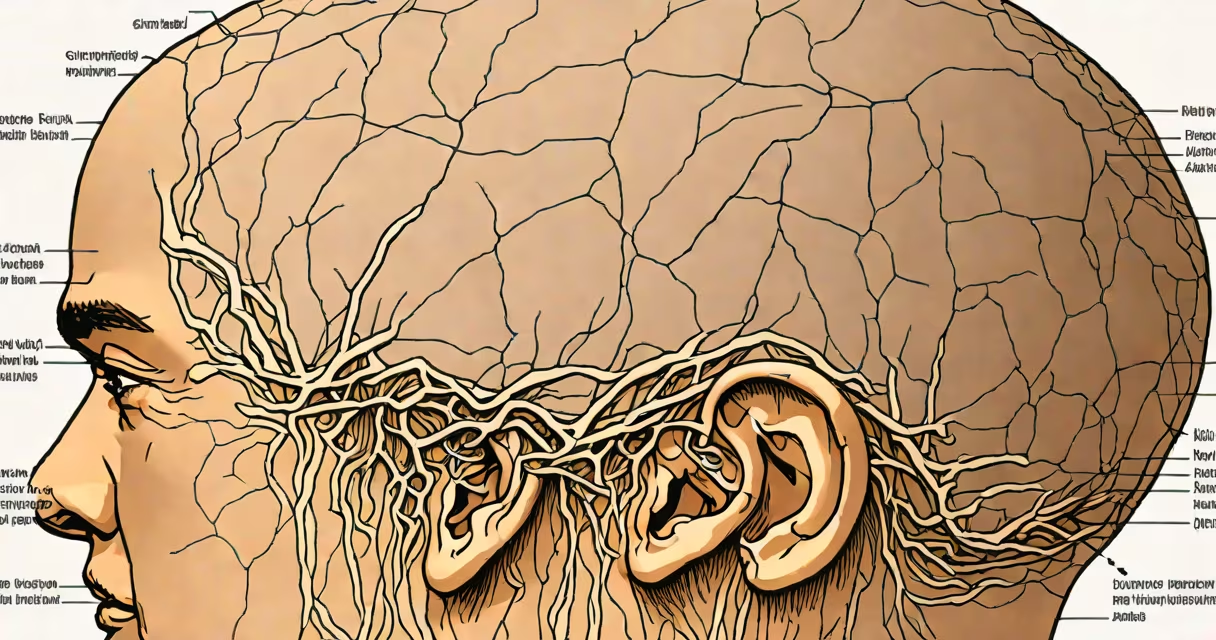
Scalp scabbing occurs when skin damage triggers blood clotting and tissue repair, forming a dried crust over wounds, infections, or inflamed areas. This process is part of the body's natural healing response to injury, irritation, or microbial invasion.
Scabs form when platelets and fibrin seal broken capillaries and damaged epidermis. The crust protects underlying tissue while new skin grows beneath. Persistent or recurring scabs suggest ongoing irritation, infection, or an underlying condition rather than isolated trauma.
Common triggers include physical injury, dermatitis, fungal infections, bacterial overgrowth, or autoimmune disorders. Not all scabs are harmful-but those that don't heal within two weeks, bleed easily, or spread should be evaluated medically.
When the scalp sustains damage-through scratching, chemical exposure, or trauma-the immune system activates. Platelets rush to the site, clumping to stop bleeding. Fibrin strands weave through them, creating a mesh that traps debris and pathogens.
As fluid dries, this mesh hardens into a scab. Dead skin cells, sebum, and inflammatory cells accumulate in the crust. The area may feel tight, itchy, or tender. Over time, the scab detaches naturally as new epithelium forms beneath.
Failure to shed the scab indicates delayed healing. Factors like poor circulation, diabetes, or chronic inflammation can slow regeneration. A scab that persists beyond 21 days requires medical attention.
Scabbing isn't always due to injury. Several distinct conditions lead to scab formation on the scalp:
| Condition | Key Features | Typical Appearance |
|---|---|---|
| Dermatitis (seborrheic or contact) | Chronic inflammation from yeast overgrowth or allergens | Oily yellow crusts, flaking, red patches |
| Bacterial infection (e.g., impetigo) | Staphylococcus aureus invasion | Honey-colored crusts, pus, spreading redness |
| Fungal infection (tinea capitis) | Ringworm affecting hair follicles | Thick, grayish-white crusts, hair loss, scaling |
| Psoriasis | Autoimmune skin disorder | Thick silvery scales, red plaques, bleeding when scratched |
| Atopic dermatitis (eczema) | Chronic allergic skin reaction | Intense itching, oozing, crusted lesions |
Each condition responds differently to treatment. Misdiagnosing a fungal infection as dry scalp leads to ineffective home remedies and prolonged symptoms.
Many assume scabs are simply "dry skin" or "dandruff." But dandruff flakes are dead skin cells shed in layers. Scabs are coagulated blood and tissue fragments, often raised and adherent.
A key distinction: dandruff doesn't bleed when removed. Scabs do. If you see blood on your pillowcase, combs, or in the shower drain, the issue is likely deeper than surface flaking.
Another misconception is that all scabs heal quickly. Some, especially those caused by fungal or autoimmune conditions, resist normal healing cycles. The American Academy of Dermatology notes that untreated tinea capitis can persist for months and cause permanent hair loss if not treated early.
I once treated a 34-year-old patient who reported a scab on his crown that had lasted six weeks. He'd tried over-the-counter shampoos and oil treatments. The scab was firm, dark brown, and occasionally bled when he ran fingers through his hair.
Upon examination, we found satellite lesions around the central scab-smaller crusts radiating outward. A potassium hydroxide (KOH) test revealed hyphae. Diagnosis: tinea capitis. The patient had assumed it was psoriasis due to similar scaling patterns.
After seven days of oral terbinafine and antifungal shampoo, the scab began to loosen. By week four, the area was clean, and new hair grew in. Without proper testing, the condition would have worsened.
See a healthcare provider if scabs:
Untreated infections can lead to scarring alopecia. The National Institute of Allergy and Infectious Diseases reports that up to 15% of untreated tinea capitis cases result in permanent hair loss.
Keep the scalp clean but not over-washed. Use gentle, fragrance-free shampoos. Avoid scratching even when itchy-this damages the barrier and introduces microbes.
Wear hats or caps that allow airflow. Tight headwear traps sweat and creates a breeding ground for fungi and bacteria. Change hats regularly and wash them weekly.
Scabbing is not a sign of poor hygiene. It's a biological response. Understanding the root cause separates effective care from trial-and-error fixes.
Knowing why your scalp scabs up allows targeted action. Identify the trigger-whether trauma, infection, or chronic skin condition-and act accordingly. Healing begins with accurate diagnosis.