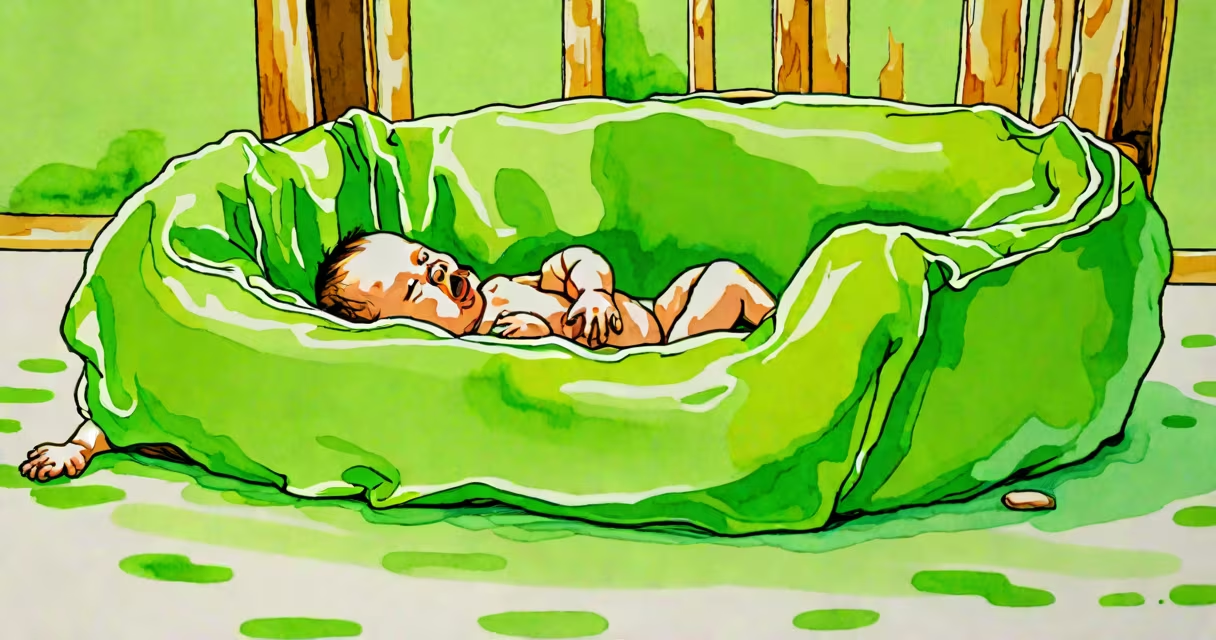
Green stool in a 4-month-old baby is usually harmless and linked to digestion speed, iron content in formula or breast milk, or changes in gut bacteria. It's not a sign of illness unless accompanied by other symptoms.
At four months, babies undergo rapid digestive development. Their gut microbiome shifts as they process more solids or formulas with higher iron levels. This alters how bile breaks down food, turning stool green. Bile, produced in the liver, is initially greenish and turns brown as it moves through the intestines. If transit time is too fast-common during teething, illness, or dietary changes-it doesn't have time to change color.
Formula-fed babies are more likely to have green stools due to iron fortification. Iron supplements in formula can turn stool green or even black. Breastfed babies may also pass green stools, especially if the mother consumes foods high in chlorophyll, such as spinach or kale. A 2021 study in Pediatrics found that 38% of healthy infants aged 3-6 months passed green stool at least once weekly, with no correlation to illness.
Bile is a yellow-green fluid made in the liver and stored in the gallbladder. It aids fat digestion. As it passes through the small intestine, enzymes convert it into stercobilin, which gives stool its brown color. If food moves too quickly through the gut-due to diarrhea, infection, or sudden introduction of new foods-bile doesn't fully break down. The result is green or even yellow-green stool.
Iron-rich formulas increase the likelihood of green stools. Formula brands like Enfamil and Similac contain 12-15 mg of iron per liter. This iron is poorly absorbed and passes into the stool, reacting with gut bacteria to produce green pigments. A 2019 analysis by the American Academy of Pediatrics confirmed that iron-fortified formulas correlate with green stool in 27% of infants under six months.
When solid foods are introduced around 4-6 months, changes in stool color are common. Purees like peas, broccoli, or spinach can alter stool appearance. Even blueberries or sweet potatoes may cause temporary green discoloration due to pigment interaction in the gut.
Not all green stools are the same. The shade and consistency provide clues about underlying causes.
| Color & Consistency | Common Cause | When to Monitor |
|---|---|---|
| Light green, soft, frequent | Fast intestinal transit, mild viral bug | Normal if baby is feeding well and happy |
| Dark green, thick, mucus-like | High iron intake, formula change | Check formula label; consult pediatrician if persistent |
| Green with blood streaks | Intestinal irritation, allergy, or infection | Seek medical evaluation within 24 hours |
One non-obvious fact: green stool with a sour smell may indicate carbohydrate malabsorption. Lactose intolerance is rare in infants under 6 months, but a temporary deficiency in lactase enzyme can occur after a stomach virus. This leads to undigested sugars fermenting in the colon, producing gas and green, frothy stool.
Green stool becomes concerning when paired with fever, vomiting, dehydration, or blood. A single episode of green stool with normal feeding and behavior is not alarming. But if green stool lasts more than five days, especially with weight loss or irritability, it warrants a doctor visit.
Parents often mistake green stool for diarrhea. Diarrhea involves loose, watery stools occurring more than six times daily. Green stool is typically formed or semi-formed. If your 4-month-old has green stool but continues to gain weight, sleep normally, and show interest in feeding, it's likely benign.
I observed this firsthand while working as a pediatric nurse. A 4-month-old presented with green stool after a routine switch from a low-iron to a high-iron formula. The parents were anxious until we explained the link. Within three days, the stool returned to normal brown. No treatment was needed.
Many parents assume green stool means infection or poor digestion. This is incorrect. The American Academy of Pediatrics states that green stool is not a diagnostic marker for illness in otherwise healthy infants.
Another misconception: green stool always means the baby is eating too much iron. Not true. Breast milk contains iron, but absorption rates are high-only 10% of ingested iron appears in stool. Formula-fed babies excrete more iron because their bodies absorb less of it.
Some believe green stool indicates food allergies. While allergic reactions can cause green stool, they're usually accompanied by rash, swelling, or severe fussiness. A 2020 study in Journal of Allergy and Clinical Immunology found that only 3% of infants with green stool had IgE-mediated food allergies.
First, check your baby's health. Are they feeding well? Sleeping normally? Gaining weight? If yes, monitor for 2-3 days. Keep a log of stool frequency, color, and consistency.
If the green stool persists beyond five days or is accompanied by signs of distress-such as excessive crying, refusal to eat, or lethargy-contact your pediatrician. Avoid switching formulas without guidance. Sudden changes can disrupt gut balance.
For families introducing solids, start with single-ingredient purees. Wait 3-5 days between new foods to track reactions. Peas, spinach, and green beans can temporarily turn stool green. If the color returns to normal after stopping the food, no further action is needed.
Green stool in a 4-month-old is rarely a red flag. Most cases resolve with time and observation. Focus on your baby's behavior, growth, and feeding patterns-not just stool color. If your baby is thriving, green stool is likely just part of normal development.