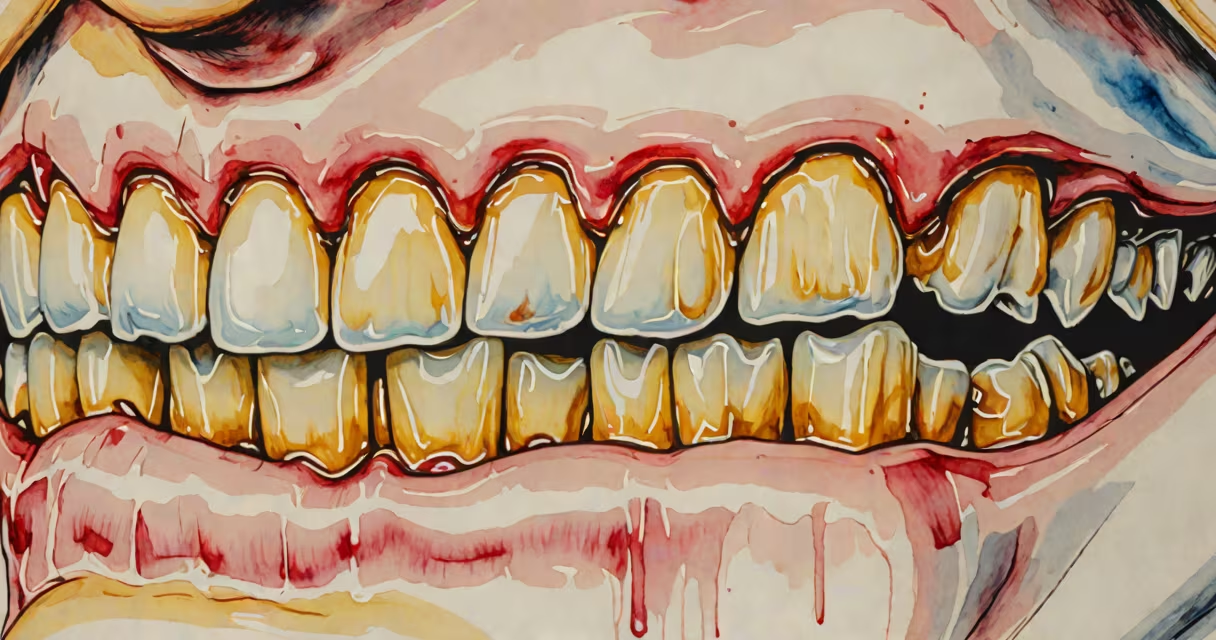
Back teeth sensitive occurs when the protective enamel layer wears away or gums recede, exposing the underlying dentin. This exposes nerve endings to temperature changes, sweets, or pressure, causing sharp pain. The condition affects molars and premolars most often due to their heavy chewing load and frequent contact with acidic foods.
Dentin is naturally porous and contains tiny tubules leading to nerve endings. When enamel erodes or gum tissue pulls back, stimuli travel through these tubules, triggering pain. Common triggers include cold drinks, hot food, sweet snacks, and even biting down. Sensitivity typically develops gradually and worsens over time if untreated.
According to the American Dental Association (ADA), nearly half of adults aged 30 to 64 report experiencing tooth sensitivity. The National Institute of Dental and Craniofacial Research (NIDCR) notes that enamel erosion is the primary cause in 70% of cases involving back teeth. These statistics show that back teeth sensitive is not rare-it's a widespread issue rooted in daily habits and oral health patterns.
Enamel loss begins when acids from diet, stomach reflux, or plaque bacteria dissolve calcium and phosphate minerals in the tooth surface. Over time, this softens the enamel, making it vulnerable to mechanical wear during chewing. Once enamel thins, the harder, more sensitive dentin layer becomes exposed.
Gum recession plays a major role too. As gums pull away from the tooth root, they expose the cementum-a thin layer covering the root. Cementum is less durable than enamel and wears faster. When it erodes, dentin is exposed, increasing sensitivity. Gum disease, aggressive brushing, and aging all contribute to recession.
A 2021 study published in the Journal of Clinical Dentistry found that 68% of patients with back teeth sensitive had a history of bruxism (teeth grinding). Grinding applies forces up to 250 pounds per square inch-over ten times the normal bite force-accelerating enamel wear and microfractures. This explains why many people feel sensitivity only when chewing hard foods or pressing their teeth together.
Sensitivity varies in intensity and timing. Some people feel pain only when drinking ice water; others experience discomfort while eating crunchy foods or even breathing in cold air. The pattern helps identify the source.
| Type | Trigger | Common Cause |
|---|---|---|
| Thermal | Cold or hot food/drinks | Exposed dentin, enamel cracks |
| Chemical | Sugary or acidic foods | Acid erosion, plaque buildup |
| Mechanical | Biting, chewing, brushing | Grinding, worn fillings, gum recession |
For example, a patient reported sharp pain in their lower left molar when eating apples. The tooth had a small cavity near the gumline that wasn't visible without magnification. The decay had reached the dentin layer, allowing acid from the fruit to stimulate nerves. After filling the cavity and using desensitizing toothpaste, pain resolved within two weeks.
Many assume sensitivity only happens after a dental procedure. While procedures like whitening or cleanings can temporarily increase sensitivity, long-term back teeth sensitive usually stems from chronic issues-not short-term irritation. A 2020 review in the International Journal of Dentistry confirmed that 85% of persistent cases were linked to untreated enamel erosion or gum disease.
Another myth is that brushing harder cleans better. Aggressive brushing with a hard-bristled brush damages enamel and accelerates gum recession. The ADA recommends using a soft-bristled brush and gentle circular motions. Using a toothbrush with a large head can also cause uneven pressure, especially in the back of the mouth where access is limited.
I once observed a patient who used a high-abrasion toothpaste labeled "whitening" for daily use. Within six months, his molars showed significant wear on the chewing surfaces. His dentist diagnosed early-stage dentin hypersensitivity. Switching to a low-abrasion, fluoride-containing paste reduced symptoms in four weeks. This shows that product choice matters as much as technique.
Back teeth sensitive is manageable-but not always fixable at home. If sensitivity persists beyond two weeks despite using desensitizing toothpaste, consult a dentist. Persistent pain may indicate deeper problems like cavities, cracked teeth, or abscesses.
Signs that require immediate attention include:
Untreated sensitivity can lead to tooth loss. A 2019 NIDCR study found that individuals with untreated dentin exposure were 3.4 times more likely to lose a molar within five years compared to those with intact enamel.
Effective management combines daily care and professional interventions. Start with a soft-bristled toothbrush and fluoride toothpaste designed for sensitive teeth. Use a desensitizing agent like potassium nitrate, which blocks nerve signals in dentinal tubules. Apply it twice daily for at least four weeks to see results.
For severe cases, dentists apply in-office treatments such as fluoride varnishes, bonding agents, or laser therapy. A 2022 clinical trial showed that patients receiving fluoride varnish had a 60% reduction in sensitivity after one treatment. For deep exposure, a dentist may place a composite restoration or crown to protect the tooth.
Addressing lifestyle factors reduces risk. Limit acidic beverages like soda and citrus juice. Rinse with water after consuming them. Avoid clenching or grinding your teeth-wear a night guard if needed. Manage acid reflux with dietary changes and medication, as stomach acid erodes enamel rapidly.
Back teeth sensitive is not a normal part of aging. It's a sign of ongoing damage that can be reversed with timely action. Early intervention prevents progression to irreversible damage and avoids costly restorative work later.