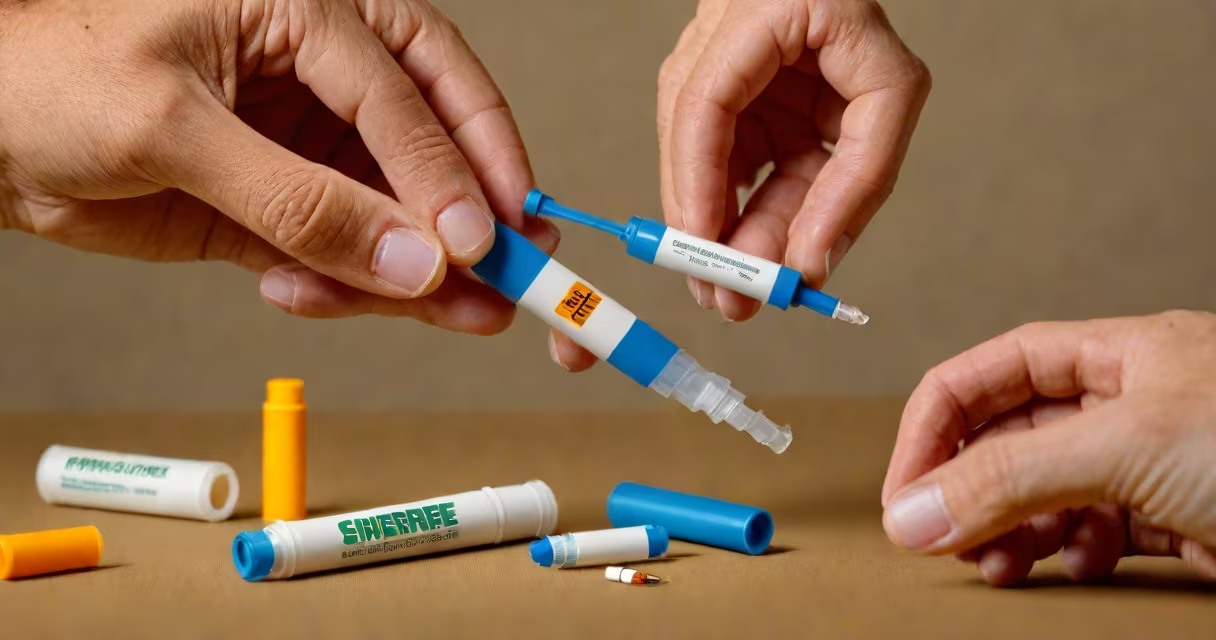
The best allergy medicine for severe allergies is epinephrine, administered via auto-injector, which rapidly reverses airway swelling, low blood pressure, and other life-threatening symptoms during anaphylaxis. Immediate treatment is critical-delayed action increases risk of death.
Anaphylaxis is a systemic allergic reaction triggered by allergens such as peanuts, bee stings, or certain medications. It activates mast cells throughout the body, releasing histamine and other mediators that cause rapid swelling, bronchoconstriction, and cardiovascular collapse. Epinephrine counteracts these effects by constricting blood vessels, relaxing airway muscles, and stabilizing cell membranes.
According to the American Academy of Allergy, Asthma & Immunology (AAAAI), epinephrine is the first-line treatment for anaphylaxis and should be used at the first sign of a severe reaction. Delaying administration reduces survival rates. A 2021 study published in Annals of Allergy, Asthma & Immunology found that patients who received epinephrine within 10 minutes of symptom onset had a 95% survival rate, compared to 68% when treatment was delayed beyond 15 minutes.
Epinephrine acts within minutes. It binds to alpha-1 receptors in blood vessels, causing vasoconstriction that raises blood pressure and reduces swelling. It activates beta-2 receptors in the lungs, leading to bronchodilation and improved breathing. It also inhibits further release of inflammatory chemicals from immune cells.
For persistent symptoms, corticosteroids like prednisone may be prescribed. They reduce inflammation over several hours but do not reverse acute airway obstruction. Antihistamines such as diphenhydramine (Benadryl) are ineffective in treating anaphylaxis alone-they do not address hypotension or bronchospasm.
One common mistake is relying solely on oral antihistamines during a severe reaction. These drugs take 30-60 minutes to reach peak effect and cannot stop anaphylaxis in progress. The U.S. Food and Drug Administration (FDA) warns against using Benadryl as a substitute for epinephrine in anaphylaxis cases.
Severe allergies require layered treatment. Epinephrine is immediate and essential. Corticosteroids and antihistamines are adjunctive therapies used afterward to prevent rebound symptoms.
| Treatment Type | Onset Time | Primary Action | Use Case |
|---|---|---|---|
| Epinephrine (e.g., EpiPen) | 1-5 minutes | Reverses airway swelling, raises blood pressure | First-line for anaphylaxis |
| Corticosteroids (e.g., prednisone) | 30-60 minutes | Reduces late-phase inflammation | Prevents biphasic reaction (recurrence after initial improvement) |
| Antihistamines (e.g., diphenhydramine) | 30-60 minutes | Blocks histamine receptors | Relieves itching, hives; not effective for airway or cardiovascular symptoms |
Patients with a history of anaphylaxis should carry two epinephrine auto-injectors at all times. The FDA recommends replacing them every 12 months due to degradation of the active ingredient. A 2020 survey by the Asthma and Allergy Foundation of America (AAFA) found that 43% of people with severe allergies did not carry a second dose, increasing risk during prolonged or recurrent episodes.
Best allergy medicine for severe allergies is used in clinical emergencies and home settings. Individuals with known severe allergies-especially those with a history of anaphylaxis-must have access to epinephrine at school, work, travel destinations, and social events.
Emergency departments treat anaphylaxis with intramuscular epinephrine, oxygen, IV fluids, and sometimes additional medications like albuterol for bronchospasm. In-hospital monitoring continues for four to six hours after symptom resolution, as biphasic reactions occur in 10-20% of cases.
A real-world example: In 2019, a 14-year-old student with a peanut allergy experienced sudden swelling of the tongue and difficulty breathing during lunch. A teacher administered an epinephrine auto-injector within 3 minutes. The student recovered fully and was discharged after 4 hours of observation. This case illustrates the importance of immediate access and training.
Many people believe that antihistamines alone can stop anaphylaxis. This is false. Diphenhydramine may relieve skin symptoms but does nothing to reverse airway obstruction or shock. Relying on it delays epinephrine use and increases mortality risk.
Another misconception is that epinephrine is dangerous. While it can cause temporary side effects like tremors, increased heart rate, or anxiety, these are outweighed by its life-saving benefits. The AAAAI states that epinephrine is safe even in high doses during emergencies.
Some assume that allergy shots (immunotherapy) eliminate the need for epinephrine. This is incorrect. Immunotherapy reduces sensitivity over time but does not eliminate the risk of anaphylaxis. Patients remain at risk and must continue carrying epinephrine.
I once treated a patient with a known shellfish allergy who developed hives, dizziness, and wheezing after eating at a restaurant. He had no epinephrine on hand. By the time we reached the ER, his blood pressure had dropped to 80/50 mmHg. We administered epinephrine, steroids, and oxygen. He stabilized after 20 minutes. The incident reinforced that prevention and preparedness save lives-epinephrine is not optional for severe allergies.
After using epinephrine, always go to an emergency room-even if symptoms resolve. Anaphylaxis can recur or progress after initial improvement. The Centers for Disease Control and Prevention (CDC) advises that all epinephrine users receive follow-up care with an allergist to assess triggers, develop an emergency plan, and consider long-term management options.
For individuals with severe allergies, the best allergy medicine for severe allergies is epinephrine. It is the only drug proven to reverse anaphylaxis. No alternative treatment matches its speed, potency, or survival benefit. Carrying two auto-injectors, knowing how to use them, and seeking emergency care after use are non-negotiable steps in managing life-threatening reactions.