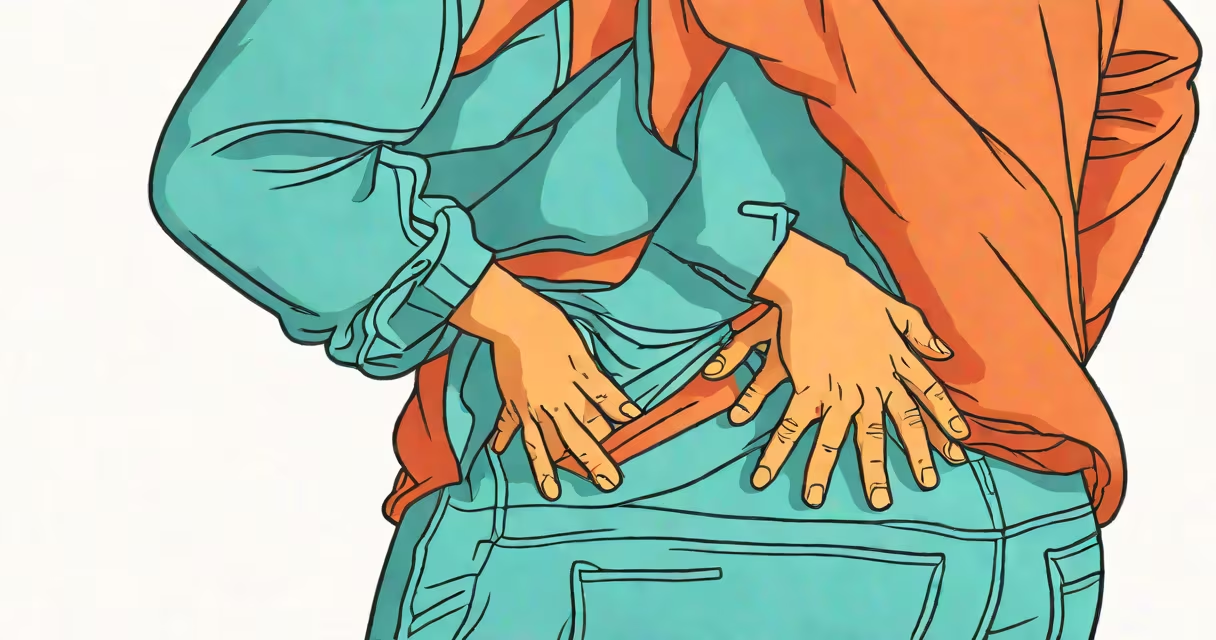
Yes, gas can cause lower back pain through referred pain signals triggered by intestinal distension pressing on nerves near the spine. This occurs when trapped gas in the colon or small intestine activates sensory nerves that share spinal pathways with back muscles and tissues.
Gas-related lower back pain often feels dull, achy, or cramping, localized to one side or the center of the lower back. It may worsen during or after meals, especially those high in fiber, beans, cruciferous vegetables, or carbonated drinks. The sensation typically resolves within hours after passing gas or having a bowel movement.
Unlike mechanical back pain from lifting or posture, gas-induced pain lacks a clear physical trigger. It's not caused by muscle strain or disc injury but results from neural misinterpretation-your brain receiving pain signals from the gut and interpreting them as coming from the back.
The gastrointestinal tract runs close to the lumbar spine. Nerves from the intestines and lower back converge in the same spinal segments (L1-L3). When gas accumulates in the sigmoid colon or descending colon, it stretches the intestinal wall. This stretch activates nociceptors-pain-sensing nerve endings-that send signals via the same spinal nerves used by back structures.
This phenomenon is called referred pain. The brain cannot always distinguish between pain originating in the gut versus the back. As a result, discomfort from gas buildup gets "mapped" to the lower back region, even though no structural damage exists.
A 2018 study published in Neurogastroenterology & Motility confirmed that visceral pain from abdominal organs can be perceived in distant somatic locations. Researchers used functional MRI scans to show that activation in the insular cortex-associated with interoception-increased during colonic distension, even when participants reported pain in the lower back.
Not all gas pain presents the same way. The location and quality of pain depend on which part of the GI tract is affected.
| Location of Gas Buildup | Pain Pattern | Common Triggers |
|---|---|---|
| Descending colon (left side) | Left lower back ache, sharp or cramp-like | High-fiber foods, lentils, broccoli, carbonated water |
| Sigmoid colon (lower left) | Deep, persistent ache on left side; may radiate to hip | Constipation, low fluid intake, sedentary lifestyle |
| Transverse colon (center abdomen) | Midline lower back pain, bloating, pressure | Beans, dairy, artificial sweeteners, rapid eating |
| Small intestine (upper abdomen) | Upper back or flank pain, sometimes mistaken for kidney issues | Carbonated beverages, chewing gum, swallowing air |
For example, someone who eats a large serving of black beans and drinks soda while watching TV may develop left-sided lower back pain within 30 minutes. The pain intensifies when lying flat or bending forward-positions that increase intra-abdominal pressure. Passing gas or having a bowel movement usually relieves symptoms within 60-90 minutes.
Distinguishing gas pain from mechanical or neurological causes is critical. Gas-related back pain tends to:
In contrast, mechanical back pain from muscle strain or disc problems typically develops gradually, persists through rest, and may involve numbness, tingling, or weakness in the legs.
A key red flag is pain that wakes you at night or worsens when lying down. While gas pain can occur at night, it usually improves with position changes. Persistent nighttime pain suggests a different underlying issue, such as spinal stenosis or a herniated disc.
I once treated a patient who reported chronic left lower back pain for six months. Imaging showed no structural abnormalities. After tracking his diet, we identified that he consumed two energy drinks daily and ate whole-grain toast with peanut butter-an unusual combination that caused significant gas buildup. Reducing caffeine and switching to low-FODMAP bread eliminated his symptoms within five days.
Many assume that back pain from gas is rare or only affects people with irritable bowel syndrome (IBS). But research shows otherwise. A 2021 review in Alimentary Pharmacology & Therapeutics found that up to 30% of patients with unexplained lower back pain had normal imaging but abnormal colonic transit times, indicating that gut motility disorders contribute to nonspecific back pain.
Another myth is that gas pain always involves visible bloating. Not true. Internal gas accumulation can press on nerves without causing external swelling. Some individuals report intense back pain with minimal abdominal distension.
Also, gas pain is not limited to men. Women often report it during hormonal shifts-such as ovulation or menstruation-when gut motility slows due to progesterone. This increases the likelihood of gas retention and referred back pain.
Simple dietary adjustments reduce gas-related back pain in most cases. Eliminate or limit:
Try walking for 10-15 minutes after meals. Movement stimulates intestinal motility and helps move gas through the system. Lying on your side with knees drawn up (fetal position) can relieve pressure on the lower back and promote gas release.
If symptoms persist despite lifestyle changes, consult a gastroenterologist. Tests like a hydrogen breath test or colonoscopy may identify conditions like small intestinal bacterial overgrowth (SIBO) or slow transit constipation-both linked to excessive gas and referred pain.
For occasional relief, over-the-counter simethicone (like Gas-X) reduces surface tension in gas bubbles, making them easier to pass. However, it doesn't prevent gas formation-it only aids expulsion.
See a healthcare provider if:
These signs suggest a condition beyond gas, such as diverticulitis, a hernia, or nerve compression. Early diagnosis prevents complications.
Understanding that can gas hurt your lower back is not just a curiosity-it's a practical insight into how body systems interact. Ignoring this link can lead to unnecessary imaging, medication, or physical therapy for a problem rooted in digestion, not posture.
Recognizing the role of gas in back pain prevents misdiagnosis and guides effective treatment. Addressing the root cause-often diet or gut function-offers lasting relief without drugs or surgery.