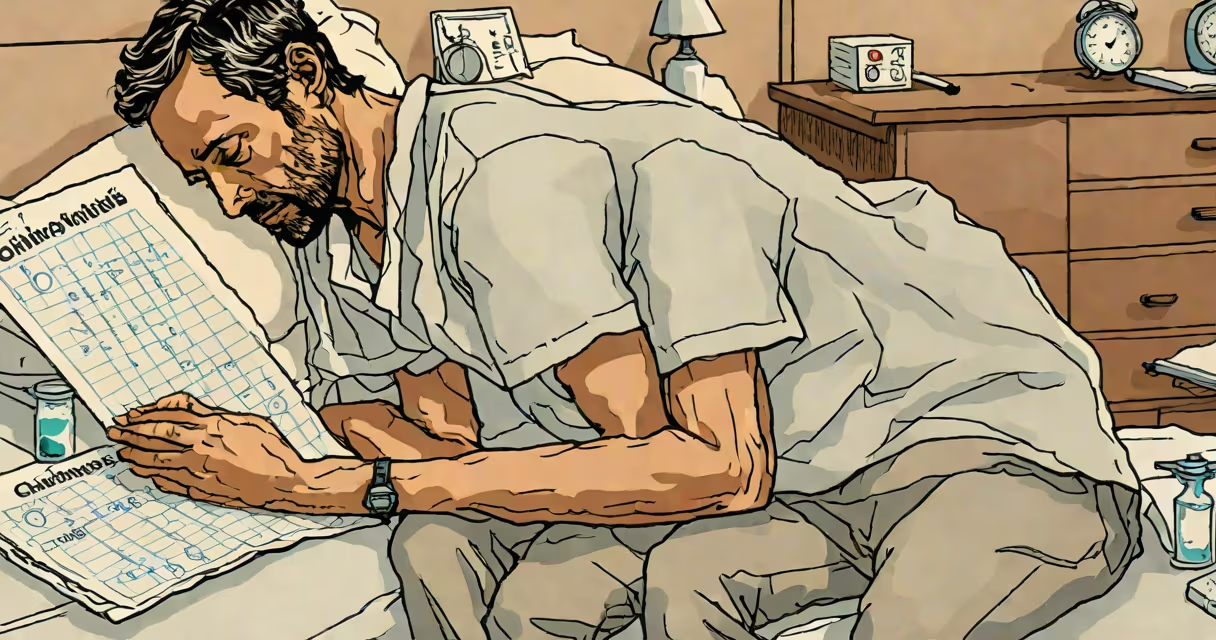
Cirrhosis causes profound fatigue because the damaged liver cannot process toxins, regulate blood sugar, or produce enough energy-supporting proteins. This leads to systemic exhaustion that doesn't improve with rest.
Cirrhosis develops when long-term liver injury-often from alcohol abuse, hepatitis B or C, or fatty liver disease-leads to scar tissue replacing healthy liver cells. The liver loses its ability to perform essential metabolic functions. When it fails, the body suffers widespread consequences, including extreme fatigue.
Research shows that up to 70% of people with advanced cirrhosis report severe fatigue, often described as "bone-deep" or "unrelenting." This isn't normal tiredness-it's a symptom of organ failure. The American Liver Foundation notes that fatigue in cirrhosis stems from multiple factors: reduced production of albumin (a protein needed for fluid balance and nutrient transport), increased ammonia levels in the blood (which affects brain function), and disrupted sleep patterns caused by hormonal imbalances.
The liver processes nutrients, filters toxins, and regulates hormones. When it's scarred, these tasks falter. For example, the liver converts glucose into glycogen for storage and releases it during fasting. In cirrhosis, this system breaks down. Blood sugar drops between meals, leading to weakness and mental fog.
Ammonia is another key player. Healthy livers convert ammonia-a waste product from protein digestion-into urea for excretion. In cirrhosis, ammonia builds up in the bloodstream. High levels cross the blood-brain barrier, causing hepatic encephalopathy, which includes confusion, lethargy, and drowsiness. Even mild elevations can reduce alertness and motivation.
A 2021 study published in Journal of Hepatology found that patients with compensated cirrhosis (early stage, no major symptoms) still had lower physical activity levels than healthy controls. Their fatigue was linked to inflammation markers like IL-6 and TNF-alpha, which rise in chronic liver disease and suppress appetite and energy metabolism.
Fatigue in cirrhosis isn't uniform. It varies by stage and underlying cause. Here's how it typically presents:
| Type | When It Occurs | Common Triggers | Key Difference |
|---|---|---|---|
| Early-stage fatigue | Compensated cirrhosis | Low blood sugar, poor nutrition | Improves with diet and rest |
| Advanced fatigue | Decompensated cirrhosis | High ammonia, fluid retention, anemia | Persistent despite rest; worsens with exertion |
| Neurocognitive fatigue | With hepatic encephalopathy | Ammonia spikes, sleep disruption | Brain fog, slowed reaction time, confusion |
For example, a 58-year-old man with alcoholic cirrhosis reported feeling "like he was dragging through mud" by midday. He ate small meals but still dropped energy around 2 PM. Blood tests showed low serum albumin (2.8 g/dL, normal is 3.5-5.0), elevated ammonia (65 μmol/L, normal is 10-40), and mild anemia. His fatigue didn't resolve with naps-only with dietary adjustments and lactulose therapy to reduce ammonia.
Cirrhosis-related fatigue is often mistaken for depression, stress, or aging. But unlike mood-based tiredness, it persists even after sleep and improves only with treatment. A 2020 review in European Journal of Gastroenterology & Hepatology emphasized that fatigue in cirrhosis is a direct physiological consequence-not psychological.
Some confuse it with fatigue from infections or vaccines. While infections and vaccines can cause temporary tiredness-lasting 1-3 days-cirrhosis fatigue lasts weeks or months and worsens over time. For instance, a patient with hepatitis C-related cirrhosis experienced fatigue lasting six months after completing antiviral treatment. That's not typical vaccine fatigue, which resolves within 72 hours.
If you have cirrhosis and feel constantly drained, talk to your doctor. Fatigue is treatable. Options include:
I once saw a patient with decompensated cirrhosis who slept 12 hours a night yet woke up exhausted. After adjusting his diuretic dose and adding lactulose, his energy improved within two weeks. His ammonia dropped from 78 to 42 μmol/L, and he reported being able to walk to the kitchen without stopping.
Understanding that cirrhosis makes you tired is the first step toward managing it. The condition isn't just about jaundice or swelling-it's about energy loss, mental clarity, and quality of life. Addressing fatigue improves survival and daily functioning.
Yes, cirrhosis makes you tired. Not because you're lazy-but because your liver can no longer keep up. Recognizing this allows for timely care. You don't have to live in exhaustion. Effective treatments exist.