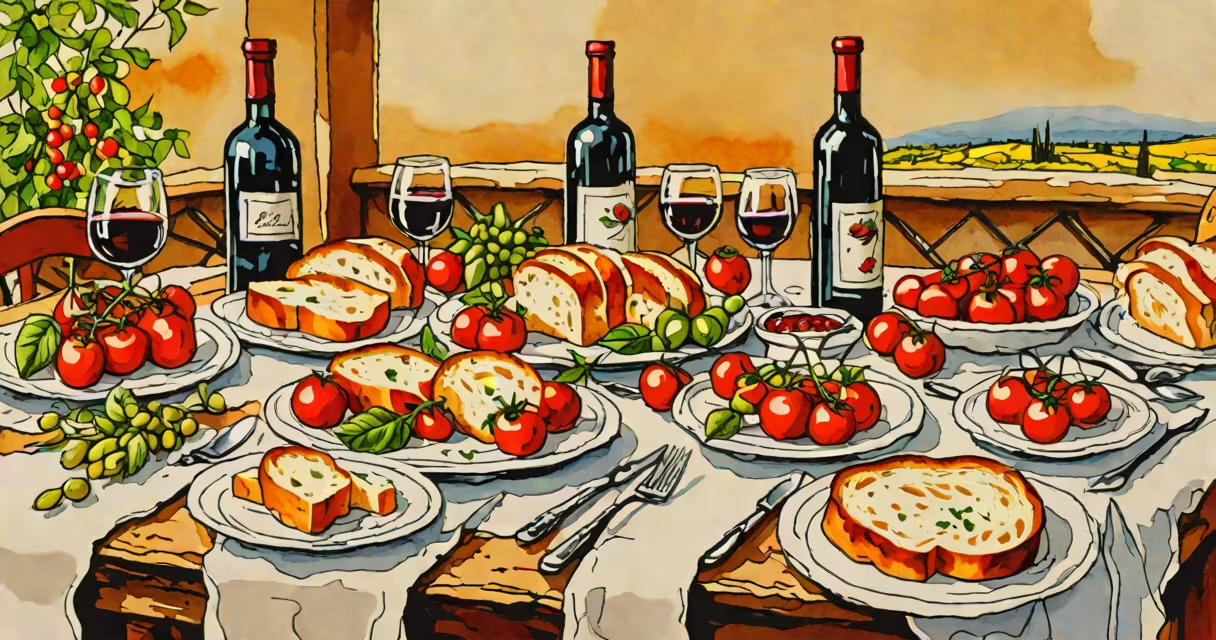
"Eat in Italian" describes the traditional way people in Italy consume meals-centered on seasonal ingredients, structured courses, and shared time at the table. It's not just about food; it's a daily ritual rooted in regional identity, family, and respect for preparation.
Italian meals follow a clear sequence: antipasto (appetizer), primo (first course, usually pasta or risotto), secondo (main course, typically meat or fish), contorno (side dish), and dolce (dessert). This structure reflects centuries-old culinary discipline. A typical weekday lunch in Naples might begin with marinated anchovies and grilled peppers, followed by spaghetti alle vongole, then a grilled swordfish fillet with sautéed greens, and finish with tiramisu and espresso.
Meals are rarely rushed. The average Italian dinner lasts 90 minutes to two hours. Eating is social, not transactional. In rural Tuscany, families gather at the same table every evening regardless of schedule. There's no "quick bite"-even a sandwich eaten at home is prepared with care.
Italian eating culture operates on three principles: seasonality, locality, and patience. Ingredients are chosen based on what's available in the region and time of year. In summer, tomatoes are plump and red; in winter, root vegetables dominate. A restaurant in Bologna won't serve fresh peas in December-they're not in season.
Preparation matters. Pasta is cooked al dente-firm to the bite-not soft and mushy. Olive oil is cold-pressed and used raw, not heated. A single tomato in a salad is never chopped; it's torn by hand to preserve texture. These aren't preferences-they're standards passed down through generations.
Even timing follows tradition. Lunch is served between 12:30 PM and 2:30 PM. Dinner begins after 7:30 PM. Restaurants close during the afternoon siesta. This rhythm is still observed in small towns like Civita di Bagnoregio, where shops shut down from 1:00 PM to 4:00 PM. The pause isn't laziness-it's design. It allows digestion, conversation, and rest.
Every meal includes five foundational components:
These elements combine into a system that values presence over speed. A study by the University of Bologna found that Italians who eat meals at home with family consume 27% fewer calories than those who eat alone, even when portion sizes are equal. The act of sharing food reduces stress hormones linked to overeating.
Many assume Italian food is all pasta and pizza. But in reality, only 15% of meals in Italy feature pasta as the main course. Most Italians eat pasta twice a week-usually on weekends or holidays. On weekdays, meals center on vegetables, legumes, and fish.
Another myth: "All Italian food is rich and heavy." Not true. Coastal regions like Sardinia emphasize light dishes-baked sea bream with lemon and herbs, fregola with clams. The Mediterranean diet, recognized by UNESCO as intangible cultural heritage, emphasizes olive oil, whole grains, and vegetables. It's one of the most studied diets for longevity.
A key distinction: "eat in Italian" is not about recipes. It's about behavior. You don't "do" Italian eating-you live it. The difference between ordering a dish in a restaurant and actually eating it like an Italian lies in attention. When I visited a trattoria in Modena, I watched my host take three bites of his ragu before speaking. He didn't rush. He tasted each mouthful. That's not showmanship-it's mindfulness.
Italian dining varies by region and occasion. Here's how different settings reflect the culture:
| Meal Type | Typical Setting | Key Features | Example |
|---|---|---|---|
| Pranzo | Home or family-run restaurant | Two-hour lunch, multiple courses, wine included | Spaghetti carbonara with a side of roasted artichokes in Rome |
| Cena | Home or high-end restaurant | Starts after 7:30 PM, often includes cheese and wine | Osso buco with polenta in Milan |
| Merenda | Street-side café or home | Afternoon snack, not a full meal | Amaretti cookies with espresso in Florence |
| Colazione | Home or café | Breakfast, light and quick | Caffè latte and a cornetto in Venice |
For example, in Verona, a local family hosts guests for dinner with a menu that changes daily based on what the market delivered that morning. The host doesn't announce the dishes-he serves them. Guests are expected to ask for seconds, not wait to be offered. This is not rudeness-it's trust. The host assumes you'll enjoy the food enough to want more.
Italy's national health agency reports that the country has one of the lowest rates of obesity in Europe-6.3% among adults-despite high consumption of fats and carbohydrates. The explanation lies in eating habits, not dietary restriction. People eat slowly, stop when full, and avoid snacking between meals.
Research from the Harvard School of Public Health confirms that individuals who eat meals with others have lower risks of depression and higher life satisfaction. In Italy, meals are not just nourishment-they are emotional anchors. A child in Palermo learns to say "grazie" after finishing a plate, not because they were told to, but because they felt gratitude for the effort behind the food.
"Eat in Italian" is not a lifestyle choice-it's a lived practice. It's not about perfection. It's about presence. The next time you sit down to eat, try this: pause before your first bite. Taste. Breathe. Speak only when your mouth is empty. That's how Italians eat.